What Is Srs Surgery Explained Clearly With Key Facts
Sex Reassignment Surgery or SRS represents a pivotal milestone in gender-affirming healthcare, blending medical precision with deeply personal journeys of self-acceptance. For many transgender individuals, this procedure is not merely a physical transformation but a critical step toward aligning their bodies with their identities, reducing gender dysphoria, and improving mental well-being. Historically rooted in early 20th-century experiments, SRS has evolved from controversial medical practices into a widely recognized component of transgender care, supported by growing scientific consensus and advocacy efforts.
The decision to undergo SRS is often a culmination of years of psychological evaluation, hormonal therapy, and meticulous preparation, reflecting both medical and emotional complexity. Procedures like vaginoplasty and phalloplasty involve intricate surgical techniques, each tailored to individual needs, while post-operative care demands patience, rehabilitation, and ongoing support. Yet, accessibility remains uneven globally, with financial barriers, legal hurdles, and societal stigma creating significant obstacles for those seeking gender-affirming treatments. Understanding SRS requires navigating its clinical intricacies, ethical considerations, and the human stories behind the statistics.

Understanding SRS Surgery: Core Concepts and Definitions
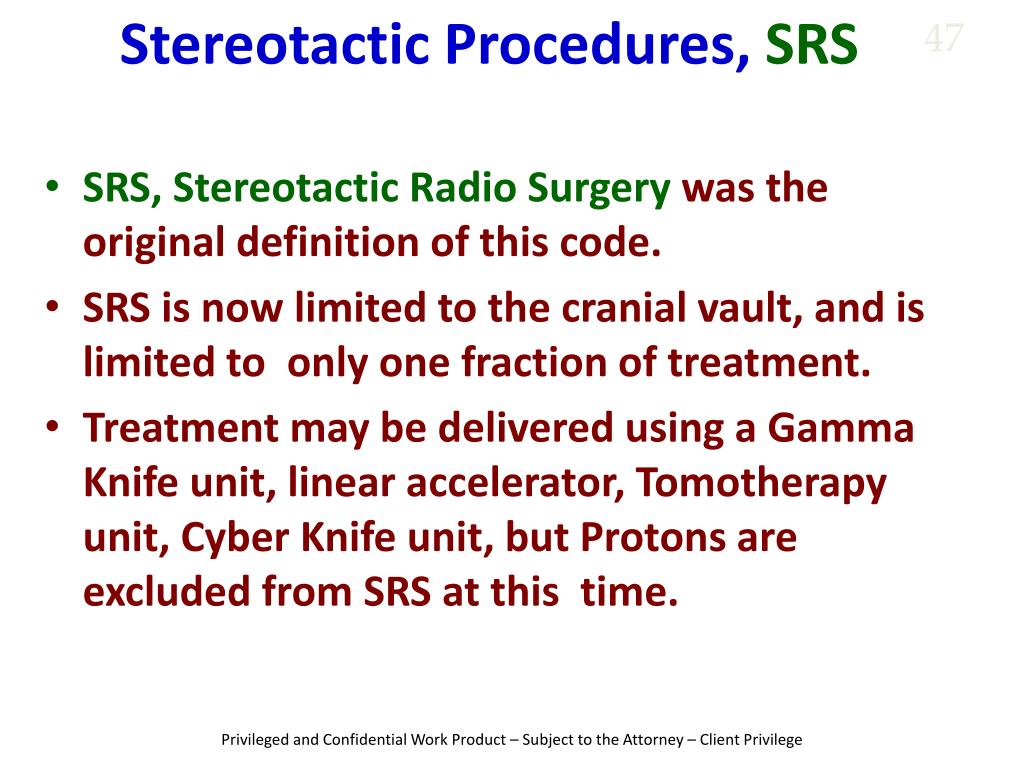
Sex Reassignment Surgery (SRS), now more commonly referred to as gender-affirming surgery (GAS), represents a critical intervention in the medical and sociocultural journey of transgender and gender-diverse individuals. This surgical process involves physical alterations to align a person’s body with their gender identity, addressing both primary and secondary sexual characteristics. Unlike broader transgender healthcare, which includes hormonal therapy, mental health support, and social transitioning, SRS/GAS specifically targets irreversible anatomical changes. The distinction between SRS and GAS reflects evolving terminology: while "SRS" emerged in the mid-20th century with a clinical and often pathologizing framework, "GAS" emphasizes affirmation, autonomy, and the positive impact of these procedures on mental well-being. Medical advancements, ethical debates, and LGBTQ+ advocacy have reshaped its definition, positioning it as a cornerstone of gender-affirming care rather than a corrective measure.
Medical and Sociocultural Context of SRS/GAS
The medical perspective of SRS/GAS centers on anatomical and physiological modifications to achieve congruence between gender identity and physical appearance. Procedures range from genital reconstruction (e.g., vaginoplasty, phalloplasty) to chest surgeries (e.g., mastectomy, top surgery) and facial feminization/masculinization. Socioculturally, SRS/GAS has transitioned from being stigmatized as experimental or "treatment for homosexuality" (a misconception prevalent in early 20th-century psychiatry) to being recognized as a human right by organizations like the World Health Organization (WHO) and the American Medical Association (AMA). The sociocultural shift underscores the importance of self-determination, where individuals—particularly transgender women, transgender men, and non-binary people—seek surgery to reduce gender dysphoria, a distressing condition characterized by discomfort between one’s gender identity and assigned sex.
The evolution of terminology also reflects broader societal changes. Terms like "sex change operation" or "transsexual surgery" were historically used but carried connotations of transitioning between binary genders, ignoring the spectrum of gender identities. Modern language, such as gender-affirming surgery (GAS), acknowledges the diversity of gender experiences and emphasizes affirmation over correction. This linguistic shift mirrors advancements in transgender healthcare, where surgeries are now performed with a focus on patient-centered care, reduced stigma, and improved surgical techniques.
Historical Evolution of SRS: Milestones and Medical Ethics
The history of SRS is marked by medical experimentation, ethical controversies, and advocacy-driven progress. Early documented procedures date back to the 1930s, with Lili Elbe, a Danish transgender woman, undergoing one of the first recorded vaginoplasties in 1930–31 under the supervision of Magnus Hirschfeld, a German sexologist. However, these early cases were rare and often fraught with medical risks, including high mortality rates and limited long-term follow-up care. The mid-20th century saw the rise of Harry Benjamin, a German-American endocrinologist, who pioneered the use of hormones for gender transition and established the Benjamin Scale to assess candidates’ readiness for surgery. His work laid the groundwork for the Harry Benjamin International Gender Dysphoria Association (HBIGDA), now known as WPATH (World Professional Association for Transgender Health), which developed the Standards of Care (SOC)—a framework still guiding gender-affirming healthcare today.
Table of Contents
- Understanding SRS Surgery: Core Concepts and Definitions
- Medical and Sociocultural Context of SRS/GAS
- Historical Evolution of SRS: Milestones and Medical Ethics
- Comparative Overview of SRS/GAS Terminology and Procedures
- Types of SRS Procedures: A Detailed Breakdown
- Vaginoplasty: Penis-to-Vagina Construction
- Phalloplasty: Vagina-to-Penis Construction
- Orchiectomy: Testicle Removal
- Hysterectomy: Uterus and Ovary Removal
- Breast Augmentation or Mastectomy: Chest Congruence Procedures
- Emerging and Experimental Procedures
- The SRS Process: Steps Before, During, and After Surgery
- Pre-Surgery Requirements: Preparing for the Journey
- The Surgical Process: A Step-by-Step Guide with Timelines
- Post-Operative Care: Recovery Phases and Rehabilitation
- Post-Operative Challenges: Pain, Emotion, and Complications
- Eligibility, Costs, and Accessibility of Sex Reassignment Surgery (SRS)
- Eligibility Criteria for SRS
- Cost Breakdown of SRS by Procedure Type and Region
Ethical debates intensified in the 1970s and 1980s, particularly in the U.S., where SRS was classified as experimental and often denied by insurance providers. The Johns Hopkins Gender Identity Clinic, founded in 1966, became a hub for research and advocacy, challenging pathologizing narratives. By the 1990s, the Diagnostic and Statistical Manual of Mental Disorders (DSM) reclassified gender dysphoria as a "gender identity disorder," a change that, while controversial, increased medical recognition. The 21st century brought further progress: the WHO removed gender dysphoria from its list of mental illnesses in 2019, and many countries now recognize gender-affirming surgeries as medically necessary care. Advocacy groups, such as Transgender Law Center and GLAAD, played pivotal roles in pushing for legal and medical reforms, ensuring access to SRS/GAS for marginalized communities.
Comparative Overview of SRS/GAS Terminology and Procedures
The terminology surrounding SRS/GAS can be confusing due to historical and cultural variations. Below is a comparative table clarifying key terms and procedures, including distinctions between primary and secondary sex characteristics, as well as the most common genital surgeries.
| Term | Definition | Key Procedures | Medical Context |
|---|---|---|---|
| SRS (Sex Reassignment Surgery) | Historical term referring to surgeries altering primary and/or secondary sexual characteristics to align with gender identity. Often carried pathologizing connotations. | Vaginoplasty, phalloplasty, orchiectomy, mastectomy | Emerged in the mid-20th century; now largely replaced by "GAS" in clinical practice. |
| GAS (Gender-Affirming Surgery) | Modern, affirming terminology emphasizing alignment with gender identity rather than "reassignment." Focuses on reducing dysphoria and improving quality of life. | All SRS procedures, plus facial feminization/masculinization, tracheal shave, and voice surgery | Preferred by WPATH and most transgender healthcare providers; reflects current ethical standards. |
| Primary Sex Characteristics Surgery | Procedures targeting genitalia and reproductive organs, which are central to legal and social sex assignment. |
|
Often requires multiple surgeries; involves complex reconstruction and nerve sensitivity considerations. |
| Secondary Sex Characteristics Surgery | Procedures modifying non-genital features to achieve a more congruent appearance (e.g., facial structure, body contours). |
|
Generally less invasive than primary surgeries but critical for holistic gender affirmation. |
| Vaginoplasty vs. Phalloplasty |
|
Both procedures have high patient satisfaction rates but differ in complexity, recovery time, and functional outcomes (e.g., orgasm, sensation). |
The choice between primary and secondary surgeries depends on individual goals, anatomical considerations, and mental health readiness. For example, a trans woman may prioritize vaginoplasty for genital affirmation, while a trans man might opt for phalloplasty combined with top
Types of SRS Procedures: A Detailed Breakdown
Sex Reassignment Surgery (SRS), also known as Gender-Affirming Surgery (GAS), encompasses a range of procedures designed to align an individual’s physical anatomy with their gender identity. These surgeries address both external and internal anatomical features, with each technique tailored to specific needs, recovery timelines, and functional outcomes. The choice of procedure depends on individual goals, medical history, and consultation with specialized surgeons. Below is a structured breakdown of the primary SRS procedures, categorized by their anatomical focus, along with emerging techniques that push the boundaries of gender-affirming care.
Vaginoplasty: Penis-to-Vagina Construction
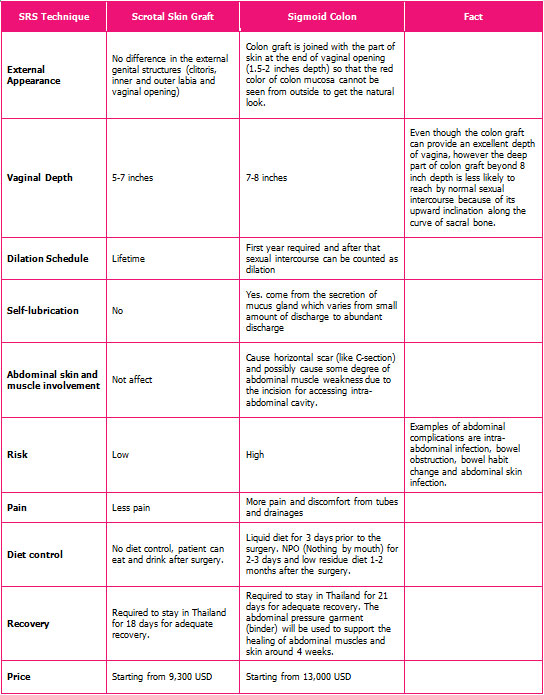
Vaginoplasty is the most common procedure for transgender women, transforming the penis and scrotum into a functional vagina, vulva, and clitoris. The surgery involves several key steps: inversion of the penile skin to create the vaginal canal, construction of the labia from scrotal tissue, and clitoral reconstruction using the glans penis. Nerve sparing techniques are often employed to preserve sensation, particularly in the clitoral area. Recovery typically spans 6–12 weeks, with full healing and sexual function restoration taking up to a year. Complications may include vaginal strictures, scarring, or sensory changes, though advancements in surgical techniques have minimized these risks.
Visual Description: The surgeon begins by degloving the penis, carefully separating the skin from underlying structures while preserving blood supply. The urethra is shortened and repositioned to align with the new vaginal opening. The inverted penile skin forms the vaginal canal, while the scrotal skin is sculpted into the labia majora and minora. The glans penis is reshaped into the clitoris, with meticulous attention to nerve connections for sensation.
Phalloplasty: Vagina-to-Penis Construction
Phalloplasty is the surgical process for transgender men, involving the creation of a penis, scrotum, and urethra using tissue flaps harvested from other parts of the body. This procedure is more complex than vaginoplasty due to the need for functional urethral reconstruction and erectile capability. Phalloplasty is often performed in multiple stages, including tissue harvesting, flap inset, urethral lengthening, and scrotal construction. Sensation, while not fully restored, can be partially regained through nerve anastomosis. Recovery is extensive, ranging from 6 months to 2 years, with ongoing adjustments for optimal function.
Phalloplasty Techniques Comparison
| Procedure Name | Skin Source | Sensation Potential | Recovery Time | Complications | Cost Range (USD) |
|---|---|---|---|---|---|
| Radial Forearm Flap (RFF) | Forearm skin and tissue | Moderate to high (nerve grafting possible) | 12–24 months (full recovery) | Donor site scarring, flap necrosis, limited length | $70,000–$150,000 |
| Anterolateral Thigh (ALT) Flap | Thigh skin and fascia | Moderate (nerve coaptation feasible) | 12–18 months | Donor site morbidity, potential thigh weakness | $60,000–$120,000 |
| Scrotal/Thigh Flap | Thigh or scrotal tissue | Limited (minimal nerve integration) | 6–12 months | Poor sensation, risk of flap shrinkage | $40,000–$80,000 |
| Metacarpophalangeal (MCP) Flap | Hand tissue (less common) | High (if nerves preserved) | 18–24 months | Hand function impairment, complex reconstruction | $80,000–$160,000 |
Visual Description for Radial Forearm Flap (RFF): The surgeon harvests a section of skin, fat, and blood vessels from the forearm, ensuring the radial artery and vein remain intact to maintain blood flow. The flap is then sculpted into the shape of a penis, with the urethra extended through the flap to the tip. Nerve endings from the flap are carefully connected to sensory nerves in the groin area to restore some tactile sensation. The donor site on the forearm is closed with skin grafting.
Orchiectomy: Testicle Removal
Orchiectomy is a relatively straightforward procedure for transgender women, involving the surgical removal of the testes to eliminate androgen production and prevent future complications such as testicular cancer. The surgery can be performed via an open incision or laparoscopically, with the latter offering faster recovery and minimal scarring. Anesthesia is typically local or general, and the procedure takes less than an hour. Complications are rare but may include infection or scrotal hematoma. Orchiectomy is often performed concurrently with vaginoplasty or as a standalone procedure for those who do not undergo full genital reconstruction.
Visual Description: Under anesthesia, the surgeon makes a small incision in the scrotum or lower abdomen, depending on the approach. The testes and epididymis are carefully dissected and removed. In laparoscopic orchiectomy, a camera and surgical tools are inserted through tiny abdominal incisions to extract the testes. The incision sites are then closed with sutures or staples.
Hysterectomy: Uterus and Ovary Removal
For transgender men who retain a uterus and ovaries, hysterectomy and oophorectomy (ovary removal) are critical procedures to eliminate menstrual cycles and reduce estrogen levels. This surgery can be performed via vaginal, abdominal, or laparoscopic approaches, with the latter being the least invasive. Hysterectomy may also address dysphoria related to menstrual bleeding and reproductive anatomy. Recovery varies by method, with laparoscopic procedures allowing discharge within 24–48 hours, while abdominal hysterectomy may require 3–6 weeks of recovery. Complications include infection, bleeding, or damage to surrounding organs.
Visual Description for Laparoscopic Hysterectomy: The surgeon inserts a laparoscope (a thin, lighted tube with a camera) through small incisions in the abdomen. Using specialized instruments, the uterus is detached from its ligaments and blood supply, and the ovaries are removed if oophorectomy is performed. The uterus and ovaries are then extracted through the vagina or incisions. The abdominal wall is closed with absorbable sutures.
Breast Augmentation or Mastectomy: Chest Congruence Procedures
Chest reconstruction is essential for many transgender individuals to achieve physical harmony with their gender identity. Transgender men may opt for mastectomy (breast removal), which can be performed via incision techniques such as periareolar (around the nipple), inframammary (under the breast), or transverse (across the chest). Fat transfer or implant-based augmentation may follow for chest contouring. Transgender women may undergo breast augmentation using saline or silicone implants, or fat transfer for a more natural appearance. Recovery for mastectomy ranges from 4–6 weeks, while augmentation recovery is typically 2–4 weeks. Complications include scarring, asymmetry, or implant-related issues such as capsular contracture.
Visual Description for Subcutaneous Mastectomy: The surgeon makes an incision along the natural breast crease or around the areola, removing breast tissue down to the chest muscle. The nipple-areolar complex may be preserved or removed based on the technique (e.g., nipple-sparing vs. skin-sparing mastectomy). The remaining skin is redraped over the chest, and incisions are closed with sutures. For nipple reconstruction, a later procedure may involve grafting tissue from the inner thigh or other donor sites.
Emerging and Experimental Procedures
Advancements in surgical techniques and materials continue to refine gender-affirming procedures, with several experimental methods gaining traction. These include:
Labiaplasty for Transgender Men Some transgender men seek labiaplasty to reduce or reshape labial tissue that may cause discomfort or dysphoria. This procedure involves trimming or reshaping the labia minora or majora using laser or surgical excision. Recovery is typically 2–4 weeks, with minimal downtime. While not widely standardized, labiaplasty is increasingly offered in gender-aff
The SRS Process: Steps Before, During, and After Surgery
Sex reassignment surgery (SRS), often referred to as gender-affirming surgery, involves a meticulously structured process designed to ensure patient safety, emotional readiness, and surgical success. The journey encompasses rigorous pre-operative evaluations, a precise surgical procedure, and a structured post-operative recovery phase. Each stage addresses critical medical, psychological, and administrative requirements, ensuring the transition aligns with both physical and emotional well-being. Understanding these steps helps patients prepare effectively while minimizing risks and optimizing outcomes.
Pre-Surgery Requirements: Preparing for the Journey
The pre-surgery phase is the foundation of a successful SRS, requiring thorough preparation across psychological, legal, and medical domains. These steps ensure patients are emotionally stable, legally protected, and medically optimized for surgery.
Psychological Evaluations Mandatory psychological assessments are a cornerstone of pre-SRS requirements, typically spanning 12 to 24 months of documented mental health care. Patients must provide letters from licensed mental health professionals confirming: - Diagnosis of gender dysphoria (or equivalent) as per DSM-5 or ICD-11 criteria. - Stability in gender identity without recent fluctuations. - Adequate coping mechanisms for post-operative challenges, including body image adjustments and potential complications. Therapy often focuses on identity affirmation, grief processing, and realistic expectations, with some clinics requiring 6–12 months of continuous therapy before approval. Real-life cases, such as those documented in The Journal of Sexual Medicine, highlight that patients with unresolved trauma or depression may face delays until stability is achieved.
Legal and Administrative Steps Legal preparations ensure patients’ identities and rights are protected throughout the transition. Key actions include: - Updating legal name and pronouns via court orders or administrative processes, which may require notarized affidavits or legal representation. - Informed consent processes, where patients sign documents acknowledging risks (e.g., scarring, nerve damage, loss of sensation) and benefits of SRS. - Financial planning, as insurance coverage varies globally—some countries mandate proof of residency or citizenship before approving procedures. Clinics like those in Belgium or Canada often streamline these steps, while others in the U.S. may require multiple legal consultations due to state-specific laws.
Medical Preparations Medical readiness involves hormone therapy adjustments, infectious disease screening, and pre-operative guidelines. Patients must: - Suspend estrogen or testosterone for 4–6 weeks pre-surgery to reduce bleeding risk during tissue harvesting. - Undergo STI testing (HIV, hepatitis B/C, syphilis) and, in some cases, vaginal dilations (for phalloplasty patients) to prepare for post-op care. - Follow pre-op guidelines, such as avoiding alcohol, tobacco, and certain medications (e.g., NSAIDs) to prevent complications like excessive bruising or delayed healing. A 2022 study in PLOS ONE noted that 20% of complications in SRS patients were linked to pre-operative non-compliance, emphasizing the importance of adherence.
The Surgical Process: A Step-by-Step Guide with Timelines
SRS procedures vary by type (e.g., vaginoplasty, phalloplasty, metoidioplasty), but the core surgical process follows a structured timeline, typically 6–12 hours from admission to discharge. Below is a generalized breakdown for vaginoplasty, the most common SRS procedure.
Hospital Admission and Anesthesia Patients arrive 6–8 hours pre-surgery for pre-operative assessments, including: - Blood tests (complete blood count, coagulation profile). - Anesthesia consultation, where general anesthesia is standard due to the procedure’s complexity. - Catheter insertion (temporary, removed post-op) to manage urinary function. The surgical team marks the incision sites (perineal or penile inversion techniques) and administers prophylactic antibiotics to prevent infection.
Tissue Harvesting and Reconstruction The core of the surgery involves creating a neovagina using penile or scrotal tissue. Key actions include: -
- Penile inversion technique: The penis is inverted to form the vaginal canal, preserving sensation in the neoclitoris.
- Scrotal flap creation: Testicular tissue is used to line the vaginal walls, with the urethra rerouted through the penis.
- Perineal approach: For patients without a penis, a flap is created from the perineum or thigh (e.g., in radical vaginoplasty).
- Labia construction: Scrotal skin is reshaped into labia majora/minora, with fat grafting for volume.
- Urethral lengthening: Critical for urinary function, often requiring stents or catheters post-op.
Surgeons prioritize nerve preservation to maintain sensation, though outcomes vary. A 2021 Journal of Urology study reported 70% of patients achieved satisfactory sensation post-vaginoplasty.
Closure and Immediate Post-Op Care - Suturing: Incision sites are closed with absorbable stitches, and drains may be inserted to reduce fluid buildup. - Packing: A vaginal pack (sterile gauze) is placed to shape the neovagina and prevent collapse. - Pain management: Patients receive IV opioids intraoperatively, transitioning to oral analgesics post-op. - Discharge criteria: Most patients stay 1–3 days in the hospital, with strict activity restrictions (no driving, heavy lifting, or sexual activity for 4–6 weeks).
Post-Operative Care: Recovery Phases and Rehabilitation
Post-SRS recovery is divided into short-term (0–4 weeks) and long-term (3–12+ months) phases, each with distinct focuses. Physical and emotional adjustments require structured care to optimize healing and integration.
Recovery Phases - First 48 Hours: Patients experience pain, swelling, and bruising, managed with oral medications and ice therapy. Nausea from opioids is common but subsides within 24–48 hours. - Weeks 1–4: The vaginal pack is removed after 7–10 days, replaced with dilators to prevent vaginal stenosis (narrowing). Patients attend daily wound care appointments to monitor for infection or hematoma. - Months 3–6: Focus shifts to scarring management and pelvic floor rehabilitation. Some patients report tingling or numbness, which may persist but often improves over time. - Year 1: Most physical healing is complete, though long-term adjustments (e.g., sensation changes, sexual function) continue evolving. A 2020 Lancet study found 85% of patients reported improved quality of life by this stage.
Physical Therapy and Rehabilitation Rehabilitation is critical for functional and aesthetic outcomes. Key components include: -
- Scar massage: Begins 4–6 weeks post-op to reduce hypertrophic scarring, using silicone gel sheets or vitamin E-based creams.
- Pelvic floor exercises: Strengthen muscles supporting the neovagina, reducing discomfort during intercourse. Kegel exercises are recommended, starting 6–8 weeks post-op.
- Dilation regimen: Patients use gradually increasing dilators (1–3 times daily) for 6–12 months to maintain vaginal depth. Non-compliance risks stenosis, requiring corrective surgery.
- Lymphedema management: For phalloplasty patients, compression therapy may be needed if swelling persists.
Physical therapists specializing in gender-affirming surgery often collaborate with surgeons to tailor protocols.
Follow-Up Appointments Routine check-ups ensure complication detection and hormonal adjustments. Typical follow-ups include: - Week 1: Wound inspection and pack removal. - Month 3: Evaluation of sensation, scarring, and dilation progress. - Month 6: Hormone therapy reassessment (e.g., adjusting estrogen doses for vaginal tissue health). - Year 1: Comprehensive review of sexual function, mental health, and long-term goals. Complications like flap necrosis (5–10% risk) or urethral strictures may require additional surgeries, underscoring the need for diligent monitoring.
Post-Operative Challenges: Pain, Emotion, and Complications
While SRS significantly improves quality of life, post-operative challenges demand proactive management. Patients often face physical discomfort, emotional fluctuations, and medical complications, each requiring tailored strategies.
Pain Management Strategies Post-SRS pain is multifaceted, requiring a bimodal approach: - Acute pain (0–2 weeks): Managed with opioids (e.g., oxycodone
Eligibility, Costs, and Accessibility of Sex Reassignment Surgery (SRS)
Access to Sex Reassignment Surgery (SRS), also known as Gender-Affirming Surgery (GAS), is influenced by a complex interplay of medical, legal, financial, and systemic factors. Eligibility criteria vary widely across regions, often reflecting cultural attitudes, healthcare policies, and medical standards. Costs can range from affordable to exorbitant, depending on location, procedure type, and whether insurance coverage is available. Meanwhile, accessibility remains a significant challenge for many transgender and non-binary individuals due to discrimination, bureaucratic hurdles, and financial barriers. Understanding these elements is critical for those seeking gender-affirming care, as well as for advocates pushing for equitable healthcare policies.
Eligibility Criteria for SRS
Eligibility for SRS is determined by a combination of medical, psychological, and legal requirements, which differ by country and healthcare provider. These criteria are designed to ensure that individuals are well-informed, mentally prepared, and legally able to undergo surgery. However, the process can be rigid, exclusionary, or outright inaccessible in some regions.
Age requirements are among the most contentious aspects of SRS eligibility. In most countries, minors (individuals under 18) are not permitted to undergo SRS due to ethical concerns about consent and long-term psychological development. However, some exceptions exist: - Belgium allows minors as young as 15 to undergo gender-affirming surgeries with parental consent and judicial approval. - Canada permits 16- and 17-year-olds to access SRS with parental consent, while 14- and 15-year-olds may qualify under specific conditions. - The United States and Australia generally require patients to be 18 or older, though some clinics may consider 16- and 17-year-olds with parental and psychological support.
For adults, eligibility typically includes: - A diagnosis of gender dysphoria (or its equivalent, such as gender incongruence) as defined by the DSM-5 (Diagnostic and Statistical Manual of Mental Disorders, 5th Edition) or ICD-11 (International Classification of Diseases, 11th Revision). - Psychological evaluations conducted by licensed mental health professionals, often requiring 12 to 24 months of gender-affirming therapy to assess stability and readiness. - Hormone therapy (HRT) as a prerequisite in many cases, demonstrating sustained alignment with the desired gender. - Legal name and gender marker changes in some jurisdictions, though this is not universally required.
Legal residency or citizenship requirements further complicate access: - Residency-based access: Many countries, such as the UK, Germany, and Sweden, require patients to be legal residents before accessing public healthcare-funded SRS. - Citizenship restrictions: In Turkey, Thailand, and Latin American countries, non-residents often face higher costs and may require additional documentation (e.g., visa sponsorship, proof of financial means). - Refugee and asylum-seeker challenges: Individuals without stable residency status may struggle to access SRS, even in progressive healthcare systems.
Cost Breakdown of SRS by Procedure Type and Region
The financial burden of SRS varies dramatically based on procedure type, geographical location, and whether insurance covers the costs. Below is a comparative cost analysis (in USD) for common gender-affirming surgeries, including vaginoplasty (female-to-male, FTM), phalloplasty (male-to-female, MTF), and chest surgeries (mastectomy/top surgery). Costs are approximate and subject to change based on surgeon expertise, hospital facilities, and post-operative care requirements.
"The price of transition is not just emotional—it’s financial. For many, the cost of SRS is the biggest barrier, not the surgery itself." — Dr. Jack Drescher, Clinical Professor of Psychiatry at Columbia University
| Procedure Type | Region/Country | Surgery Only (USD) | Hospital Stay (USD) | Post-Op Care (1st Year, USD) | Travel & Accommodation (USD) | Additional Costs (HRT, Legal, etc.) |
|---|---|---|---|---|---|---|
| Vaginoplasty (FTM) | United States | $15,000 – $30,000 | $5,000 – $10,000 | $10,000 – $20,000 | N/A | $2,000 – $5,000 (HRT, legal name change) |
| Thailand | $8,000 – $12,000 | $1,500 – $3,000 | $5,000 – $8,000 | $1,000 – $3,000 (travel) | $1,000 – $2,500 | |
| Turkey | $7,000 – $10,000 | $1,000 – $2,500 | $4,000 – $7,000 | $800 – $2,000 (travel) | $800 – $2,000 | |
| Latin America (e.g., Costa Rica) | $6,000 – $9,000 | $800 – $2,000 | $3,000 – $6,000 | $1,200 – $3,500 (travel) | $500 – $1,500 | |
| Phalloplasty (MTF) | United States | $50,000 – $150,000 | $10,000 – $20,000 | $30,000 – $60,000 | N/A | $5,000 – $15,000 (HRT, prosthetics, follow-ups) |
| Thailand | $25,000 – $40,000 | $5,000 – $10,000 | $15,000 – $30,000 | $1,000 – $3,000 (travel) | $3,000 – $10,000 | |
| Turkey | $20,000 – $35,000 | $4,000 – $8,000 | $12,000 – $25,000 | $800 – $2,000 (travel) | $2,500 – $8,000 | |
| Latin America (e.g., Mexico) | $15,000 – $25,000 | $3,000 – $6,000 | $10,000 – $20,000 | $1,500 – $4,000 (travel) | $2,000 – $6,000 | |
| Chest Surgery (Top Surgery) | United States | $5,000 – $12,000 | $3,000 – $7,000 | $5,000 – $10,000 | N/A | $1,000 – $3,000 (HRT, recovery gear) |
| Thailand | $3,000 – $6,000 | $1,000 – $2,000 | $3,000 – $5,000 | $800 – $2,000 (travel) | $500 – $1,500 | |
| Turkey | $2,500 – $5,000 | $800 – $1,500 | $2,000 – $4,000 | $500 – $1,500 (travel) | $300 – $1,000 | |
| Latin America (e.g., Colombia) | $2,000 – $4,000 | $500 – $1,500 | $1,500 – $3,00 |
Sex Reassignment Surgery stands at the intersection of medicine, identity, and human rights, offering transgender individuals a pathway to physical and emotional harmony. While the procedures themselves are technically demanding—ranging from tissue reconstruction to long-term recovery—the broader impact extends to mental health, social recognition, and personal empowerment. Challenges like cost, insurance coverage, and cultural acceptance persist, but advancements in medical techniques and advocacy continue to expand access. For those embarking on this journey, SRS is more than surgery; it is a testament to resilience, a step toward authenticity, and a reflection of society’s evolving understanding of gender. As awareness grows, so too does the potential for a future where gender-affirming care is universally accessible and celebrated.
Leave a Comment
Comments are moderated before appearing. The data you submit is processed according to the Privacy Policy of Littledata.