AcousticLeakDetectorsVIPRevolutionizePrecisionLeakHunting
Underground pipelines and pressurized systems silently lose billions of gallons of water, barrels of oil, and critical energy annually—often undetected until disasters strike. At the forefront of this silent crisis stands acoustic leak detectors VIP, a cutting-edge technology that transforms noise into actionable intelligence. Unlike conventional methods trapped in the limitations of ultrasonic waves or infrared scans, VIP systems harness vibration and impact processing to dissect sound frequencies with surgical precision, even in the harshest industrial environments. From the hum of a refinery to the echoes of a subway tunnel, these devices decode acoustic signatures that traditional tools miss, offering a leap in reliability for industries where a single leak can mean catastrophic failure or exorbitant losses.
The innovation lies in VIP’s ability to filter background chaos and isolate the faintest acoustic anomalies—whether a whispering gas escape or a high-pressure water rupture buried beneath concrete. By integrating AI-driven harmonic analysis and real-time signal processing, these detectors don’t just find leaks; they predict their behavior, map their trajectory, and even differentiate between materials like metal, plastic, or ancient stone. For water utilities drowning in non-revenue water losses or oil giants facing pipeline integrity crises, VIP technology isn’t just an upgrade—it’s a paradigm shift. But how exactly does this system outmaneuver decades-old detection methods, and where is it reshaping industries today?

Understanding Acoustic Leak Detectors VIP: Core Features and Technology

Acoustic leak detectors equipped with Vibration and Impact Processing (VIP) technology represent a paradigm shift in leak detection, offering unparalleled precision in identifying even minute leaks in pressurized systems. Unlike traditional methods that rely on broad-spectrum sound waves or thermal imaging, VIP technology leverages advanced signal processing to isolate leak-specific acoustic signatures, making it particularly effective in noisy industrial environments. This section explores the fundamental principles of acoustic leak detection, the distinctive advantages of VIP technology, and its technical superiority over conventional approaches.
Fundamental Principles of Acoustic Leak Detection
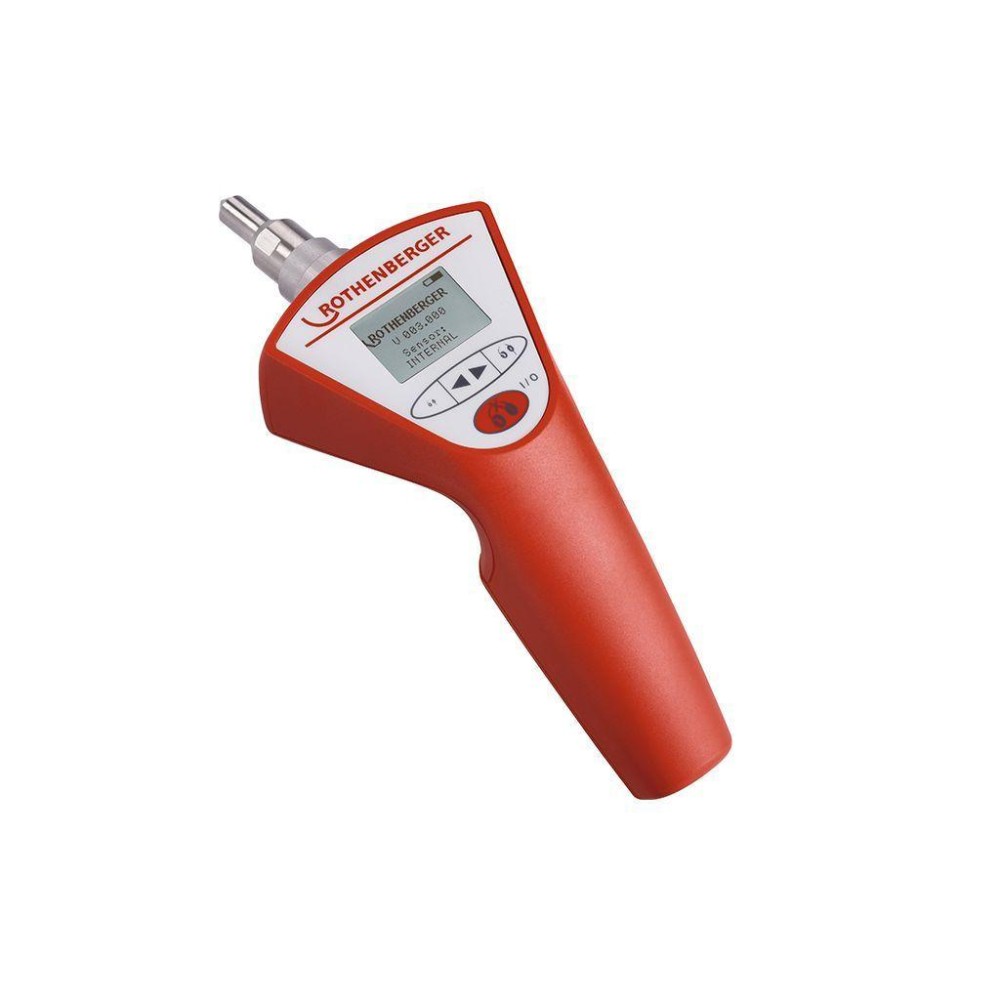
Acoustic leak detection operates on the principle that leaks in pressurized systems—such as pipes, valves, or tanks—generate unique sound waves due to the turbulent release of gases or liquids. These sounds, often inaudible to the human ear, propagate through the material and surrounding air, creating detectable vibrations. The core mechanism involves capturing these vibrations using highly sensitive microphones or accelerometers, which convert mechanical energy into electrical signals for analysis.
The effectiveness of acoustic detection hinges on frequency modulation and harmonic analysis, where the detector isolates frequencies characteristic of leaks (typically ranging from 1 kHz to 100 kHz) while filtering out ambient noise. For instance, a leaking valve in a high-pressure steam system emits a distinct hissing or hissing-whistling sound, whereas a crack in a plastic pipe produces a high-pitched squeal. By analyzing these acoustic signatures, operators can differentiate between leaks and background interference, such as machinery or airflow.
VIP Technology: Differentiation from Traditional Methods
While traditional leak detection methods—such as ultrasonic, infrared, or pressure testing—rely on broad-spectrum analysis or indirect measurements, VIP technology introduces a multi-layered signal processing approach that enhances sensitivity and specificity. Below is a comparative analysis of VIP technology against conventional methods:
Table of Contents
- Understanding Acoustic Leak Detectors VIP: Core Features and Technology
- Fundamental Principles of Acoustic Leak Detection
- VIP Technology: Differentiation from Traditional Methods
- Signal Processing in VIP Technology: Isolating Leak-Specific Acoustic Signatures
- Role of AI and Machine Learning in VIP Detectors
- Applications of VIP-Equipped Acoustic Leak Detectors Across Industries
- Industry-Specific Deployments of VIP Acoustic Leak Detectors
- Predictive Maintenance and Cost Efficiency with VIP Technology
- Key Components and Hardware of VIP Acoustic Leak Detectors
- Essential Hardware Components of VIP-Equipped Acoustic Leak Detectors
- Directional Microphones and Phased Array Sensors in Leak Localization
- Portable vs. Fixed VIP Detectors: Specifications and Deployment Considerations
| Traditional Leak Detection Methods | VIP Technology | Key Advantages | Limitations |
|---|---|---|---|
| Ultrasonic Detection | Vibration and Impact Processing (VIP) |
|
|
| Infrared Thermal Imaging | VIP with Frequency-Modulated Continuous Wave (FMCW) |
|
|
| Pressure Testing (Hydrostatic/Pneumatic) | VIP with Harmonic Analysis |
|
|
Real-World Applications: - Ultrasonic vs. VIP: In a chemical processing plant, ultrasonic detectors may struggle to differentiate between compressor noise and a small gas leak, whereas VIP technology filters out compressor frequencies, isolating the leak’s 30 kHz harmonic signature. - Infrared vs. VIP: During a pipeline inspection in Arctic conditions, thermal imaging may fail to detect a sub-surface crack in an insulated pipe, while VIP’s FMCW modulation captures the acoustic emission from the leak despite external temperature fluctuations. - Pressure Testing vs. VIP: In a municipal water distribution system, pressure testing can identify major breaks but may overlook a slow leak in a 2-inch PVC pipe, which VIP detects via its high-frequency resonance analysis.
Signal Processing in VIP Technology: Isolating Leak-Specific Acoustic Signatures
The power of VIP technology lies in its ability to process raw acoustic data through a series of computational steps to extract meaningful leak indicators. Below is the step-by-step signal processing workflow, followed by a technical breakdown of how VIP isolates leak-specific frequencies:
VIP detectors employ frequency modulation (FM) synthesis and harmonic analysis to decompose captured sound waves into their constituent frequencies. The process begins with time-domain sampling, where the detector’s microphone captures vibrations at rates exceeding 44.1 kHz (CD-quality audio standard). These signals are then converted into the frequency domain using a Fast Fourier Transform (FFT), revealing a spectrum of frequencies. Leaks generate non-linear acoustic emissions, often characterized by:
Fundamental frequencies (e.g., 5–20 kHz for gas leaks, 1–5 kHz for liquid leaks). Harmonics (integer multiples of the fundamental frequency, e.g., 10 kHz, 15 kHz). Sidebands (frequencies caused by modulation due to turbulence). VIP technology enhances signal-to-noise ratio (SNR) by applying: 1. Bandpass filtering to focus on leak-relevant frequency ranges (e.g., 10–100 kHz for high-pressure systems). 2. Adaptive noise cancellation, where AI algorithms learn and suppress ambient noise patterns (e.g., machinery hum, wind). 3. Phase analysis to detect constructive/destructive interference patterns unique to leaks.
Example of VIP Frequency Isolation: In a natural gas pipeline, a leak may produce a primary frequency at 15 kHz with harmonics at 30 kHz, 45 kHz, and 60 kHz. VIP technology: - Filters out <10 kHz (background noise from pumps). - Amplifies 15–60 kHz range. - Uses machine learning to recognize that the 30 kHz harmonic correlates with known gas leak signatures in steel pipes.
Role of AI and Machine Learning in VIP Detectors
Modern VIP-equipped acoustic detectors integrate artificial intelligence (AI) and machine learning (ML) to dynamically improve leak detection accuracy. These algorithms perform several critical functions:
-
Noise Pattern Recognition:
AI models are pre-trained on datasets containing thousands of acoustic samples from various environments (e.g., refineries, water treatment plants). During operation, the detector’s ML engine compares real-time data against this dataset to classify noise sources (e.g., valves, pumps, leaks) and suppress irrelevant frequencies.
Example: In a petrochemical plant, an AI-powered VIP detector can distinguish between:
- Compressor noise (broadband, 50–500 Hz).
- Steam valve leakage (narrowband, 20–40 kHz).
- Catalytic converter hissing (impulse noise, 10–30 kHz).
- Real-Time Leak Localization: Using triangulation algorithms, VIP detectors with multiple sensors calculate the time-of-flight of acoustic waves to determine leak coordinates. ML refines this process by:
- Adjusting for sound velocity variations in different materials (e.g., steel vs. plastic).
- Compensating for attenuation (sound loss over distance).
- Predicting leak growth patterns based on historical data.
- Adaptive Thresholding: Traditional detectors use fixed sensitivity thresholds, which can lead to false positives/negatives in varying environments. VIP detectors employ reinforcement learning to adjust thresholds dynamically:
- In
- Corroded or fractured water mains (e.g., cast iron, asbestos-cement pipes).
- Joint failures in distribution networks.
- Underground storage tank leaks (e.g., reservoirs, cisterns).
- Service line breaks in residential/commercial areas.
- Corrosion-induced cracks in pipelines (e.g., North Sea offshore rigs).
- Valves and flange leaks in refineries.
- Underground storage tank (UST) failures (e.g., gasoline, crude oil).
- Compressor station leaks contributing to methane emissions.
- Toxic gas leaks (e.g., chlorine, ammonia) in storage tanks.
- Pump seal failures in chemical transfer lines.
- Underground drainage system leaks (e.g., acid spills).
- Heat exchanger tube leaks.
- Refrigerant leaks in chillers and AC units.
- Water pipe bursts in multi-story buildings.
- Steam line leaks in hospitals and data centers.
- Fire suppression system failures.
- Water utilities lose 15-20% of treated water to leaks annually (UNESCO, 2021).
- Refineries face $1M+ in losses per year from undetected gas leaks (API, 2022).
- HVAC systems waste up to 30% of energy due to refrigerant leaks (EPA, 2020). VIP technology addresses these inefficiencies through:
- Early leak detection: Identifying leaks before they escalate (e.g., a 1mm crack in a pipeline can grow to a 50mm rupture in months).
- Reduced excavation costs: Using acoustic triangulation, VIP detectors locate leaks without digging, saving 40-60% in repair costs (e.g., a 1km trench excavation costs $50K-$100K).
- Automated reporting: Integration with CMMS (Computerized Maintenance Management Systems) prioritizes repairs based on leak severity, reducing labor hours by 30%.
- Regulatory compliance: Automated leak logs meet EPA, OSHA, and ISO 55000 standards, avoiding fines (e.g., $10K/day for non-compliance in oil refineries). Case Study: City of Berlin Waterworks By implementing VIP detectors in their 1,200km pipeline network, Berlin reduced non-revenue water losses by 28% within 2 years. The system’s ability to detect low-flow leaks (0.5 L/min) in brick-lined aqueducts (built in the 19th century) prevented a major burst in the Spree River pipeline, which would have contaminated the city’s water supply. The total savings exceeded €8M annually in water conservation and repair costs.
- Frequency Range: 1 Hz to 200 kHz (adjustable bandwidth).
- Sensitivity: -40 dB to -70 dB (re 1 V/Pa).
- Dynamic Range: 80–100 dB.
- Signal-to-Noise Ratio (SNR): ≥ 60 dB.
- Environmental Resistance: IP67 (waterproof, dustproof).
- Sensor Array Configuration: 4–16 elements (linear or circular).
- Spatial Resolution: ±0.5 meters (depending on array geometry).
- Operating Temperature: -40°C to +85°C.
- Acoustic Coupling: Optional gel or mechanical clamping for surface contact.
- Processing Speed: Real-time (≤50 ms latency).
- Sampling Rate: 256 kHz to 1 MHz.
- Memory: 16–128 GB (for data logging).
- Computational Power: ARM Cortex-A or equivalent (for embedded systems).
- Positioning Accuracy: <10 meters (with assisted GPS).
- Update Rate: 1–10 Hz.
- Supported Protocols: NMEA 0183, RTCM SC-104.
- Environmental Ratings: IP66 (for outdoor use).
- Storage Capacity: 1 TB to 4 TB (solid-state drives).
- Battery Life: 7–30 days (Li-ion, extendable with solar panels).
- Interface: USB 3.0, Ethernet, SD card slot.
- Operating Conditions: -20°C to +60°C, 95% humidity.
- Supported Protocols: LTE-M, NB-IoT, Wi-Fi 6, LoRaWAN (Class A/B).
- Data Transmission Rate: 1–10 Mbps (cellular), 0.3–50 kbps (LoRaWAN).
- Latency: <200 ms (cellular), 1–5 seconds (LoRaWAN).
- Range: 1–10 km (LoRaWAN), 50+ km (cellular with repeaters).
- Low-frequency leaks (e.g., large ruptures) generate infrasound waves (1–10 Hz), detectable by wideband microphones with high sensitivity at low frequencies.
- High-frequency leaks (e.g., small pinholes) produce ultrasonic emissions (20–100 kHz), requiring sensors with extended frequency response. Manufacturers like PCB Piezotronics and Brüel & Kjær offer microphones with adjustable frequency filters to optimize detection in specific environments. Phased array systems, such as those from GE Sensing, incorporate beamforming algorithms to dynamically adjust sensor sensitivity based on background noise levels, further improving detection reliability.
Applications of VIP-Equipped Acoustic Leak Detectors Across Industries
Acoustic leak detection technology, particularly when enhanced with VIP (Virtual Impedance Processing), has revolutionized leak identification across critical infrastructure sectors. Unlike conventional methods reliant on manual inspections or basic sensors, VIP-equipped detectors leverage advanced signal processing to pinpoint leaks in high-noise environments, underground utilities, and even heritage structures with unparalleled precision. Their integration into predictive maintenance programs has reduced operational downtime, minimized environmental risks, and delivered measurable cost savings—often exceeding 30-50% in industries where leaks contribute to energy waste or catastrophic failures. From water utilities battling aging pipelines to oil refineries mitigating explosive hazards, VIP technology has become indispensable for industries where early leak detection directly correlates with safety, efficiency, and sustainability.Industry-Specific Deployments of VIP Acoustic Leak Detectors
The versatility of VIP-equipped acoustic leak detectors spans industries where fluid or gas containment is critical. Below is a comparative analysis of key sectors, their leak vulnerabilities, the advantages of VIP technology, and real-world case studies demonstrating its impact.| Industry | Common Leak Sources | Why VIP Technology? | Case Study Example |
|---|---|---|---|
| Water Utilities |
|
VIP technology excels in detecting low-flow leaks (as small as 1 gallon per minute) in noisy urban environments, where traditional methods fail. Its ability to filter ambient noise (e.g., traffic, construction) and triangulate acoustic signals enables non-invasive leak mapping without excavating entire networks. Integration with GIS (Geographic Information Systems) allows utilities to prioritize repairs based on leak severity and infrastructure age. | City of Los Angeles (USA): Deployed VIP-equipped detectors to reduce non-revenue water (NRW) losses by 40% over 3 years. By targeting leaks in the 12-inch diameter cast iron mains, the city avoided $20M+ in annual water loss and prevented a major burst in the Sunset Boulevard pipeline that would have disrupted 50,000 residents. |
| Oil and Gas |
|
VIP detectors mitigate explosion and environmental risks by identifying leaks in real-time, even in high-noise refinery environments (e.g., pump stations, flare stacks). Their frequency-domain analysis distinguishes between gas leaks and mechanical noise (e.g., turbines, valves), reducing false positives. Compliance with EPA regulations (e.g., Methane Rule) is streamlined through automated leak quantification. | Shell Pernis Refinery (Netherlands): VIP detectors reduced methane emissions by 25% by detecting micro-leaks in 24-inch crude oil pipelines that traditional ultrasonic sensors missed. The system also prevented a catastrophic rupture in a 40-year-old ethylene pipeline by flagging corrosion-induced stress fractures 6 months before failure. |
| Chemical Processing |
|
VIP technology’s spectral analysis differentiates between liquid and gas leaks, critical for chemical plants handling multiple phases. Its immunity to electromagnetic interference (unlike ultrasonic sensors) ensures reliability in facilities with dense instrumentation. Integration with SCADA systems enables automated shutdowns in case of hazardous leaks. | BASF Ludwigshafen (Germany): VIP detectors identified a hidden ammonia leak in a 300-meter underground drainage tunnel, preventing a spill that could have contaminated the nearby Rhine River. The leak, undetected by manual patrols, was localized within 15 minutes using acoustic triangulation, saving €500K in cleanup costs. |
| HVAC and Building Systems |
|
VIP detectors address energy waste (e.g., refrigerant leaks can cost $10K/year per ton) and structural damage from undetected water leaks. Their portable design allows for rapid inspections in high-rise buildings, hospitals, and server farms, where downtime is costly. Integration with BMS (Building Management Systems) enables predictive maintenance scheduling. | Singapore Changi Airport: VIP detectors reduced refrigerant losses by 35% in the airport’s 120 chiller units by detecting micro-leaks in copper tubing that manual inspections missed. The system also prevented a flooding incident in the terminal’s underground car park by identifying a leaking fire sprinkler line before water damage occurred. |
Predictive Maintenance and Cost Efficiency with VIP Technology
The integration of VIP-equipped acoustic leak detectors into predictive maintenance (PdM) programs has transformed reactive repair strategies into proactive, data-driven approaches. Traditional maintenance models rely on time-based inspections or failure-based repairs, both of which incur significant costs. For example:Key Components and Hardware of VIP Acoustic Leak Detectors
Acoustic leak detection technology relies on a sophisticated interplay of hardware components designed to capture, process, and analyze sound waves generated by leaks in pipelines. VIP (Vibration and Pressure) acoustic leak detectors integrate advanced sensors, signal processing units, and connectivity modules to deliver high-precision leak localization. These systems are engineered to operate in diverse environments, from industrial plants to remote infrastructure networks, where reliability and accuracy are critical. Understanding the core hardware components—such as directional microphones, phased array sensors, and wireless connectivity modules—reveals how VIP detectors achieve sub-meter leak detection accuracy, even in noisy or vibrating conditions.Essential Hardware Components of VIP-Equipped Acoustic Leak Detectors
The performance of VIP acoustic leak detectors hinges on their hardware architecture, which includes specialized sensors, processors, and data management systems. Below is a breakdown of the key components, their functions, technical specifications, and manufacturer examples, presented in a structured table for clarity.| Component | Function | Technical Specifications | Manufacturer Examples |
|---|---|---|---|
| Directional Microphones | Capture and amplify leak-induced acoustic emissions with high sensitivity, filtering ambient noise to isolate leak-specific frequencies (typically 1–100 kHz). |
|
PCB Piezotronics (Model 378A16), Brüel & Kjær (Type 4938). |
| Phased Array Sensors | Use multiple synchronized microphones to triangulate leak sources by analyzing phase differences in acoustic waves, improving spatial resolution. |
|
Sensys HYDROPHONE (Model PH24), GE Sensing (Model PA-100). |
| Signal Processors | Digitize, filter, and analyze acoustic signals using FFT (Fast Fourier Transform) algorithms, machine learning for noise suppression, and leak classification. |
|
National Instruments (NI cRIO-9068), Analog Devices (ADSP-21569). |
| GPS Modules | Provide geospatial coordinates for leak localization, integrating with GIS (Geographic Information Systems) for asset management. |
|
u-blox (NEO-7M), Garmin (GSV1X). |
| Data Loggers | Store raw and processed acoustic data for post-analysis, compliance reporting, and trend monitoring. |
|
Hioki (Model 3198), Campbell Scientific (CR1000X). |
| Wireless Connectivity Modules | Enable remote monitoring and real-time data transmission via cellular, Wi-Fi, or LoRaWAN networks. |
|
Sierra Wireless (AirPrime WP7702), Semtech (LoRaWAN SX1276). |
Directional Microphones and Phased Array Sensors in Leak Localization
The accuracy of VIP acoustic leak detectors depends heavily on the directional microphones and phased array sensors, which are designed to isolate and triangulate leak-induced acoustic emissions. Directional microphones use cardioid or hypercardioid patterns to focus on sound sources while rejecting ambient noise, a critical feature in industrial settings where machinery or traffic generates interference. Phased array sensors elevate this capability by employing multiple microphones arranged in a geometric pattern (e.g., linear or circular arrays). These sensors analyze the phase differences between signals received at each microphone, allowing the system to calculate the time delay of arrival (TDOA) of acoustic waves. This method enhances spatial resolution, enabling leak localization with precision as fine as ±0.5 meters, even in complex pipe networks. Acoustic sensitivity ranges for these sensors typically span 1 Hz to 200 kHz, covering low-frequency turbulence (e.g., 1–10 Hz) and high-frequency hissing (e.g., 10–100 kHz). For instance:Portable vs. Fixed VIP Detectors: Specifications and Deployment Considerations
VIP acoustic leak detectors are categorized into portable and fixed systems, each tailored to distinct operational requirements. Portable units prioritize mobility, ease of use, and battery efficiency, while fixed installations emphasize long-term reliability, environmental resistance, and integration with SCADA systems. | Specification |Acoustic leak detectors VIP are more than tools—they are the silent guardians of modern infrastructure, bridging the gap between human oversight and machine precision. From the depths of offshore oil rigs to the labyrinthine networks of heritage aqueducts, their ability to triangulate leaks without excavation and adapt to noise-cluttered environments redefines what’s possible in leak detection. As industries embrace predictive maintenance and sustainability, VIP technology stands as a testament to how innovation can turn invisible threats into visible solutions. The future isn’t just about finding leaks faster—it’s about preventing them before they ever begin, one acoustic signature at a time.
Leave a Comment
Comments are moderated before appearing. The data you submit is processed according to the Privacy Policy of Littledata.