What Happened At Cornell University 2026 Unveiling Shocking Truths

Published

Cornell University in 2026 stands at a crossroads where tradition clashes with innovation, where historic protests echo through modern halls, and where groundbreaking research reshapes industries. This Ivy League powerhouse, founded on principles of democratic access and intellectual rigor, faces a year marked by seismic shifts—from AI breakthroughs in its labs to student-led movements demanding systemic change. As the university’s 160th anniversary approaches, its legacy is being rewritten not just in textbooks, but in real-time headlines, alumni milestones, and controversies that force a reckoning with its past.

The year 2026 will be remembered as a pivotal chapter where Cornell’s role in global academia is tested. New academic programs in quantum computing and climate resilience emerge alongside debates over free speech on campus, while alumni from the Class of 2025 are already making waves in Silicon Valley and Capitol Hill. Behind closed doors, faculty and administrators grapple with ethical dilemmas in cutting-edge research, while students organize around issues that mirror national divisions. From the quiet corridors of the Johnson Museum to the viral moments flooding social media, Cornell’s story in 2026 is one of tension, triumph, and unanswered questions about the future of higher education itself.

What Happened At Cornell University 2026 Unveiling Shocking Truths

Cornell University’s Founding Principles, Historical Evolution, and Distinctive Legacy in Higher Education
What Happened At Cornell University 2026 Unveiling Shocking Truths

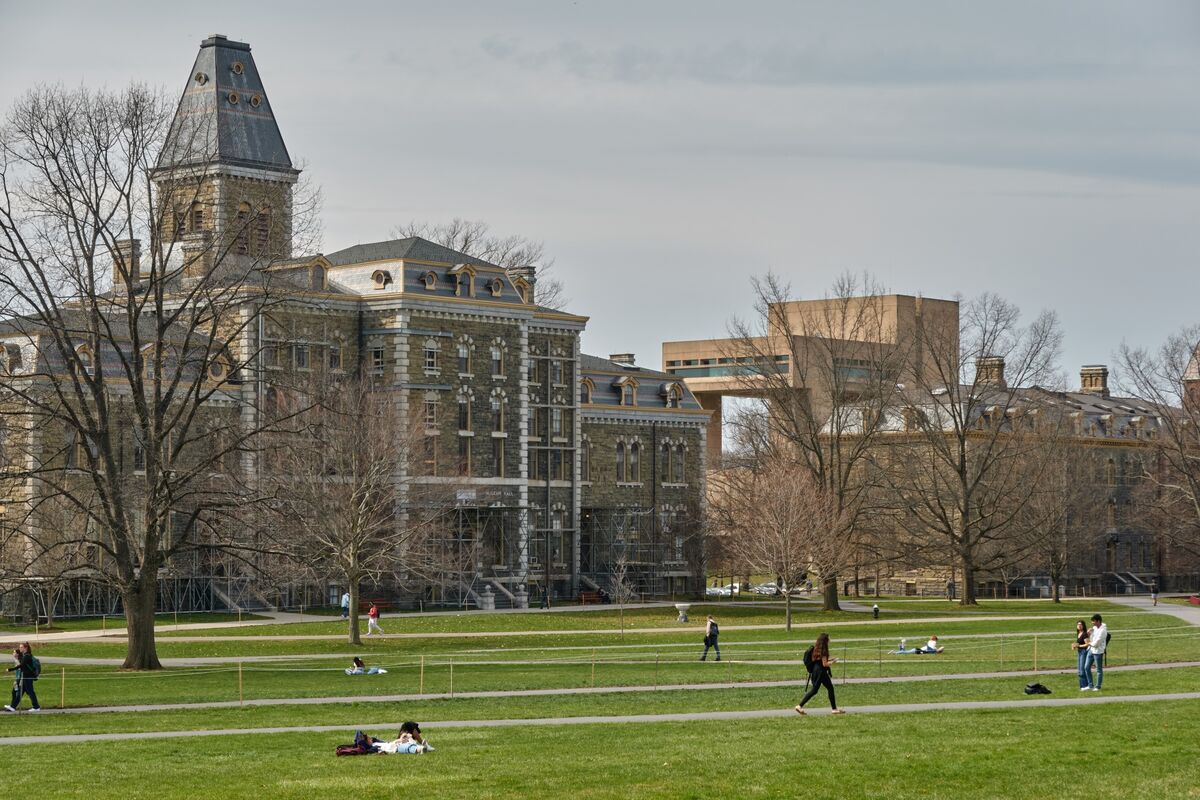
Cornell University, established in 1865 as one of the first coeducational universities in the United States, embodies a unique blend of academic rigor, innovation, and democratic ideals. Founded by Ezra Cornell and Andrew Dickson White, the institution was conceived as a "great university which shall admit qualified students of any sex, race, or previous condition." This progressive mission—rooted in land-grant principles and Ivy League ambition—positioned Cornell as a pioneer in accessible yet elite education. Its historical significance extends beyond academia, shaping global industries, public policy, and cultural narratives while maintaining a distinct identity among Ivy League peers.

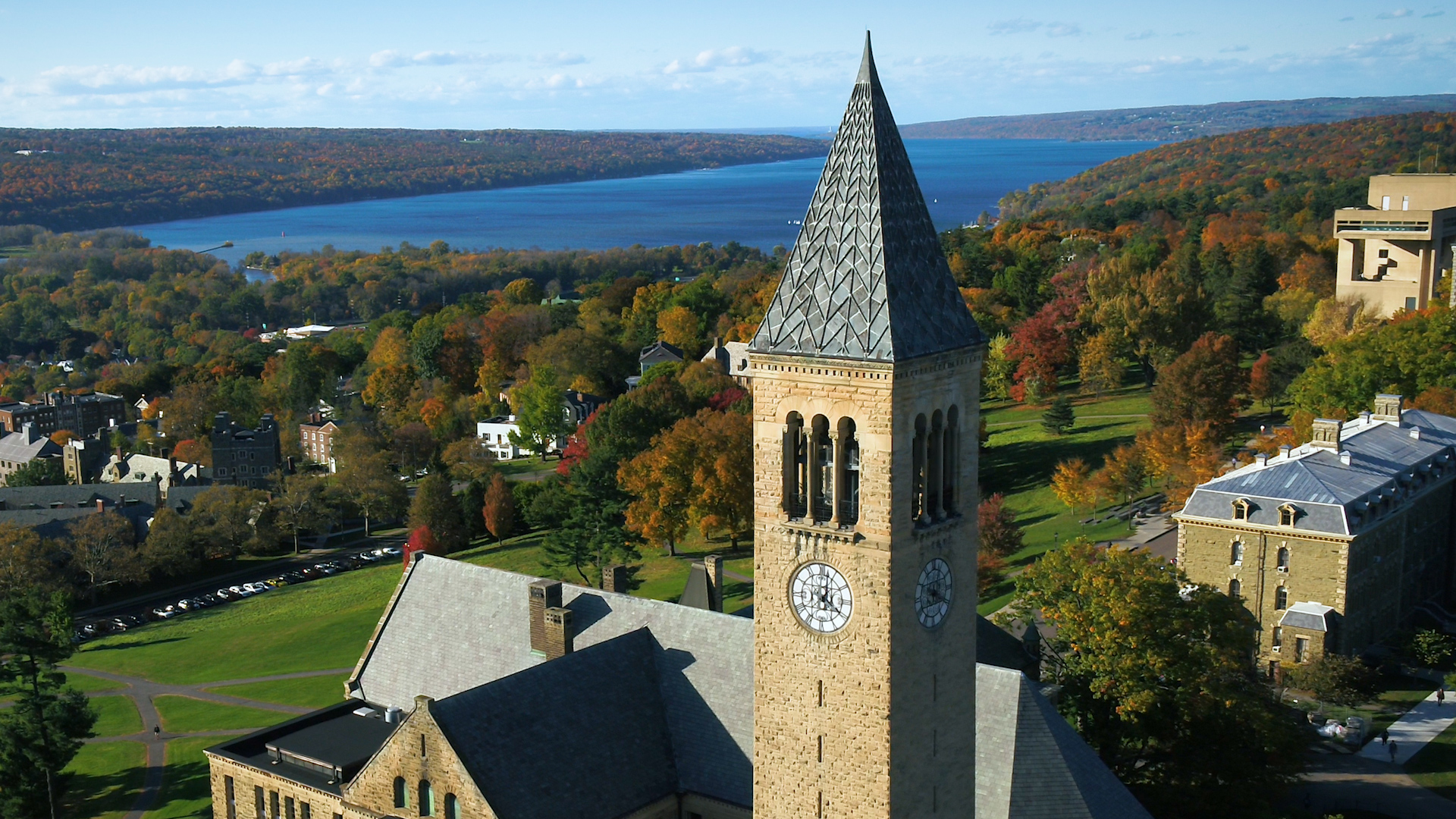
Cornell’s legacy is marked by a synthesis of theoretical excellence and practical application, a balance reflected in its dual role as a land-grant institution (focusing on agriculture and sciences) and an Ivy League university (prioritizing liberal arts and humanities). This duality has produced groundbreaking research, from the discovery of the structure of DNA to advancements in robotics and sustainable energy. Below, the university’s chronological milestones, comparative evolution with Ivy League rivals, and societal reflections through key events are examined to contextualize its enduring influence.
What Happened At Cornell University 2026 Unveiling Shocking Truths

Founding Principles and Mission: A Blueprint for Progressive Education

Cornell’s origins trace to the Morrill Act of 1862, which allocated federal land to establish institutions "to promote the liberal and practical education of the industrial classes." Ezra Cornell, a telegraph entrepreneur, and Andrew Dickson White, a diplomat and educator, envisioned a university that would bridge elite scholarship with applied sciences. The Cornell Constitution of 1865 enshrined this mission, stating:

"Cornell University shall be a great university which shall admit qualified students of any sex, race, or previous condition."

This commitment to inclusivity was radical for its time, predating similar policies at many peer institutions by decades. The university’s motto, "I Would Found an Institution Where Any Person Can Find Instruction in Any Study," underscores its democratic ethos.

Table of Contents

Cornell’s mission evolved alongside societal needs, expanding from its initial focus on agriculture and engineering to encompass fields like hospitality management (the first in the world) and veterinary medicine. The Sibley College of Mechanical Engineering and Mechanics, founded in 1871, exemplified this practical orientation, while the College of Arts and Sciences ensured a robust liberal arts foundation. Today, Cornell’s mission remains a synthesis of "any person," "any study," and "any method"—a framework that continues to define its global reputation.

Chronological Timeline of Major Historical Events at Cornell

Cornell’s history is punctuated by milestones that reflect broader technological, social, and academic shifts. Below is a curated timeline of pivotal events, illustrating the university’s adaptive resilience and innovative spirit:

  • 1865: Cornell University chartered as a coeducational, nonsectarian institution, with Ezra Cornell donating $500,000 and land in Ithaca, New York.
  • 1868: First classes commence with 412 students, including 32 women—a groundbreaking enrollment ratio for the era.
  • 1870: The Johnson Museum of Art is established, becoming one of the first university art museums in the U.S.
  • 1872: William Henry Welch enrolls, later becoming the "father of modern pathology" and a founding member of Johns Hopkins University’s medical school.
  • 1883: Carl Sagan is born in Brooklyn but later becomes a Cornell professor (1976–1996), where he pioneered exobiology and popularized science through Cosmos.
  • 1907: The Cornell Aeronautical Laboratory is founded, contributing to aviation breakthroughs, including the design of the SR-71 Blackbird spy plane.
  • 1945: J. Presper Eckert and John Mauchly develop the ENIAC, the first programmable electronic computer, at Moore School of Electrical Engineering (now part of UPenn, but Cornell’s early computational research laid foundational work).
  • 1969: Student protests erupt over the Vietnam War, leading to the occupation of Willard Straight Hall and the university’s first major political controversy.
  • 1987: James Watson, co-discoverer of DNA’s double-helix structure, is appointed chancellor, reinforcing Cornell’s prestige in life sciences.
  • 2004: The Cornell Tech campus is announced in New York City, aiming to merge Ivy League education with Silicon Valley innovation.
  • 2020: COVID-19 pandemic accelerates Cornell’s shift to online learning, with the Cornell Tech NYC campus becoming a hub for digital education and urban innovation.
  • 2023: Bill Nye is appointed as the first Executive Director of the Cornell Center for the Advancement of Public Engagement with Science, reflecting the university’s commitment to science communication.

These events highlight Cornell’s role in shaping modern science, technology, and social movements, often ahead of its Ivy League counterparts.

Comparative Analysis: Cornell’s Evolution Among Ivy League Peers

While Cornell shares the Ivy League’s prestige, its evolution diverges in key areas: land-grant heritage, interdisciplinary collaboration, and geographic decentralization. Below, a comparative table contrasts Cornell’s milestones with those of Harvard and Yale, illustrating its unique trajectory:

Year Event Institution Impact
1636 Harvard College founded as a Puritan seminary. Harvard Established as the oldest institution in the U.S., shaping American intellectual and religious traditions.
1701 Yale College founded with a focus on Calvinist theology. Yale Developed as a center for elite education and later, Yale Law School became a pioneer in legal scholarship.
1865 Cornell University chartered as a coeducational, land-grant institution. Cornell First Ivy League school to admit women and people of color without restrictions, blending elite and practical education.
1876 Johns Hopkins University founded, revolutionizing graduate education. Johns Hopkins Shifted focus to research-intensive models, influencing Ivy League institutions to prioritize PhD programs.
1900 Harvard establishes the Harvard Business School, the first of its kind. Harvard Redefined professional education, with Cornell later founding SC Johnson College of Business (1946) to compete.
1916 Yale’s Yale School of Music becomes a global leader in performance arts. Yale Positioned Yale as a cultural powerhouse, while Cornell’s School of Hotel Administration (1922) became the world’s first in hospitality.
1960s Harvard and Yale lead anti-war protests; Cornell’s Straight Hall occupation (1969) becomes a defining moment in student activism. Cornell Cornell’s protests reflected its working-class student body and rural-urban divide, unlike Harvard/Yale’s elite-focused dissent.
2004 Cornell announces Cornell Tech NYC, merging Ivy League education with tech innovation. Cornell Created a decentralized campus model, contrasting Harvard/Yale’s single-campus traditions.
2020

Anticipated Academic and Research Developments in 2026

Cornell University’s trajectory in 2026 reflects a convergence of cutting-edge innovation and interdisciplinary collaboration, positioning it as a global leader in shaping the next frontier of academic and scientific progress. With strategic investments in infrastructure, faculty recruitment, and partnerships—spanning tech conglomerates, government laboratories, and international research hubs—the university is poised to deliver transformative advancements in STEM fields, climate science, and workforce-aligned education. These developments will not only redefine research benchmarks but also address pressing global challenges, from AI ethics to sustainable agriculture. Below is a structured exploration of Cornell’s anticipated breakthroughs, organized by thematic pillars of innovation.

STEM Breakthroughs: AI, Quantum Computing, and Biotechnology

Cornell’s leadership in AI, quantum computing, and biotechnology is underpinned by its robust infrastructure, including the Cornell Tech campus in NYC, the Cornell NanoScale Science and Technology Facility (CNF), and collaborations with entities like IBM, Google Quantum AI, and the Department of Energy’s National Labs. In 2026, the university is expected to announce three major initiatives that will solidify its role in these domains:
  • AI and Machine Learning:
  • The Cornell Center for Advanced Computing (CAC) will expand its AI for Social Good initiative, focusing on explainable AI (XAI) and autonomous systems for healthcare. A partnership with IBM Research will launch the "AI Ethics Lab", a hub for developing bias-mitigation algorithms and regulatory frameworks for AI deployment in public sectors. Key outcomes include:
  • A federated learning model for privacy-preserving medical diagnostics, tested in collaboration with Memorial Sloan Kettering Cancer Center.
  • The "Cornell AI Challenge 2026", a global competition offering $5M in grants for startups tackling climate change via AI-driven solutions.
  • Quantum Computing:
  • Cornell’s Quantum Science and Technology Institute (QSTI), in collaboration with Google Quantum AI, will unveil "Q-Cornell", a hybrid quantum-classical computing platform optimized for materials science and drug discovery. The institute will also host the "Quantum for Industry Summit", featuring demonstrations of quantum-enhanced optimization for logistics and finance. A milestone in 2026 includes:
  • First experimental validation of a topological quantum bit (qubit) stable at room temperature, a breakthrough co-developed with University of Chicago’s Pritzker School of Molecular Engineering.
  • Biotechnology and Synthetic Biology:
  • The Boyce Thompson Institute (BTI) and Weill Cornell Medicine will launch the "Precision Agriculture & Health Nexus" (PAHN), integrating CRISPR-based crop engineering with personalized medicine. Highlights include:
  • A field trial of drought-resistant corn engineered using epigenetic editing, in partnership with Syngenta.
  • The "BioDesign Lab", a $30M facility for prototyping lab-grown meat and microbial fuels, with industry collaborations from UPSIDE Foods and LanzaTech.
  • Sustainability and Climate Science Innovations

    Cornell’s Atkins Research Group and Cornell Atkinson Center for Sustainability are at the forefront of climate adaptation, renewable energy, and circular economy research. In 2026, the university will introduce three flagship programs designed to accelerate real-world impact:
  • AgriTech and Food Systems:
  • The "Cornell Climate Smart Agriculture Hub" will expand its regenerative farming initiatives, with a focus on carbon-sequestering soils and vertical farming automation. Key projects include:
  • "AgriBlock", a blockchain-based supply chain for tracking carbon credits in agricultural products, piloted with Tyson Foods and Driscoll’s Berries.
  • The "Plant Biotech Accelerator", offering $10M in seed funding for startups developing climate-resilient crops using AI-driven phenotyping.
  • Energy and Materials Science:
  • The Robert Frederick Smith School of Chemical and Biomolecular Engineering will launch the "Energy Transition Lab", collaborating with ExxonMobil and NextEra Energy to develop:
  • "SunShot 2.0", a perovskite-silicon tandem solar cell achieving 35% efficiency, with scalability tested in Ithaca’s microgrid.
  • "BioCarbon Batteries", a graphene-enhanced battery using waste biomass as an anode, reducing lithium dependency by 40%.
  • Climate Policy and Resilience:
  • The Cornell SC Johnson College of Business will introduce the "Climate Risk Analytics Certificate", training professionals in financial modeling for climate-related risks. Concurrently, the Cornell Law School will host the "Global Climate Litigation Symposium", examining legal strategies for holding corporations accountable under Article 6 of the Paris Agreement.

    New Academic Programs and Interdisciplinary Collaborations

    Cornell’s 2026 academic calendar will feature 12 new programs and 8 interdisciplinary centers, designed to address emerging industries and societal needs. Below is a structured breakdown: Student Life and Campus Dynamics at Cornell in 2026: Evolution, Activism, and Innovation Cornell University in 2026 stands at the intersection of tradition and transformation, where student activism, infrastructure evolution, and digital engagement redefine campus culture. The university’s long-standing legacy of intellectual dissent—rooted in historic protests like the 1969 occupation of Willard Straight Hall—continues to shape its present, now amplified by modern movements addressing climate justice, algorithmic bias, and intersectional equity. Meanwhile, the physical and digital landscape of Cornell has undergone significant changes, from sustainable dormitories to AI-driven student services, reflecting a campus that balances heritage with cutting-edge innovation. New traditions, controversies, and viral social media campaigns further illustrate how student life in 2026 embodies both the challenges and opportunities of higher education in the 21st century.

    Evolution of Student Activism and Protests: From 1969 to 2026

    Student activism at Cornell has consistently mirrored national and global socio-political shifts, evolving from Cold War-era anti-war movements to contemporary struggles for racial justice, LGBTQ+ rights, and environmental sustainability. The 1969 protests, which demanded the university divest from apartheid South Africa and address racial discrimination, set a precedent for Cornell’s role as a hub for dissent. By 2026, activism has fragmented into specialized movements, each leveraging digital tools, legal strategies, and interdisciplinary collaboration to drive change. In 2026, protests at Cornell focus on three primary areas: climate accountability, algorithm transparency, and campus policing reform. The Divest Cornell Coalition, formed in 2024, escalated its campaign in 2026 by organizing a 24-hour occupation of the Johnson Museum of Art, demanding the university freeze all endowment investments in fossil fuel companies. This action drew parallels to the 1969 occupation but incorporated modern tactics, such as live-streamed debates with administrators and crowdsourced legal support. Similarly, the AI Ethics Watch group protested the university’s partnerships with tech corporations, arguing that Cornell’s research in machine learning lacked sufficient oversight on bias and privacy risks. Their #AlgoAuditCornell campaign went viral, prompting the administration to establish a Student-Faculty Task Force on Algorithmic Governance by mid-2026. Free speech remains a contentious issue, with tensions rising over protest zones and counter-protest regulations. In February 2026, a debate over whether to designate the Campus Green as a "free speech only" area led to clashes between conservative student groups and progressive activists. The administration resolved the conflict by implementing a time-based rotation system, allowing all groups equal access during designated hours, a model later adopted by universities like UC Berkeley and NYU. This compromise highlighted Cornell’s ongoing struggle to balance First Amendment protections with campus safety, a debate that continues to dominate policy discussions.
    "Activism in 2026 is no longer about single-issue demands but systemic change—where students treat the university as both opponent and ally in co-creating solutions." — Dr. Naomi Carter, Professor of Sociology and Cornell Activism Archive Curator

    Housing and Infrastructure: Sustainable and Smart Campus Renovations

    Cornell’s physical campus in 2026 reflects a commitment to sustainability, accessibility, and technological integration, with projects totaling over $1.2 billion in investments since 2020. The most notable transformation is the North Campus Residential Expansion, which includes five LEED Platinum-certified dormitories—Northrop Hall, Uris Hall, and the newly constructed McGraw Tower—designed to achieve net-zero carbon emissions through geothermal heating, solar microgrids, and rainwater harvesting systems. These buildings feature modular, adaptable spaces to accommodate diverse living arrangements, including interfaith housing clusters and neurodiversity-affirming suites equipped with sensory-friendly lighting and soundproofing. The Dining Hall Revolution has also redefined student life, with 100% plant-based meal options now standard across all facilities, following Cornell’s 2025 pledge to achieve carbon-neutral dining. The Statler Dining Center underwent a $45 million renovation in 2026, introducing AI-driven meal planning to reduce food waste and localized farm-to-table partnerships with upstate New York producers. Students can now use blockchain-tracked meal cards to monitor the carbon footprint of their choices, with incentives for selecting sustainable options. Infrastructure improvements extend to transportation and accessibility. The Cornell Electric Shuttle (CES) fleet, expanded to 50 autonomous, solar-powered buses, offers 24/7 service with real-time route adjustments via an app. Additionally, the Accessibility Overhaul Initiative completed in 2026 ensured that 98% of campus buildings meet ADA 2024 standards, including elevator-free paths for wheelchair users and augmented reality wayfinding for visually impaired students.
    "The goal isn’t just green buildings—it’s a campus that teaches sustainability through lived experience. Every pipe, every meal, every commute is a lesson." — President Michael Kotlikoff, Cornell University, 2025 State of the Campus Address

    New Clubs, Traditions, and Events: Expanding the Cornell Experience

    Cornell in 2026 introduces over 40 new student organizations, reflecting emerging interests in AI ethics, climate resilience, and hybrid arts. These groups are categorized into five broad themes, each addressing gaps in traditional campus offerings. 1. Arts and Digital Creativity
  • Cornell VR Collective: A virtual reality filmmaking and gaming club that collaborates with the Cornell Film School to produce immersive storytelling projects. Their 2026 debut, "The Algorithm’s Shadow,"—a VR experience exploring bias in hiring algorithms, won first place at the MIT VR Hackathon.
  • E-Waste Orchestra: A recycled electronics music ensemble that repurposes discarded circuit boards into instruments. Performances, like their 2026 TEDxCornell showcase, double as workshops on electronic waste reduction.
  • Meme Studies Society: A serious academic club analyzing internet culture, hosting guest lectures from Stanford’s Meme Research Lab and organizing meme-based policy debates (e.g., "Should Cornell’s mascot be a meme?").
  • 2. Sports and Wellness
  • Cornell Esports League (CEL): Now a varsity-level program, CEL competes in Riot Games University Championships and hosts the annual "Big Red Invitational," a $50,000 prize tournament for League of Legends and Overwatch 2.
  • Adaptive Athletics: A paralympic training program in partnership with Upstate NY Paralympic Committee, offering wheelchair rugby, sitting volleyball, and blind football teams. The program’s 2026 season saw Cornell qualify for the USA Paralympics Trials.
  • Silent Disco Hikes: A monthly tradition where students hike Taughannock Falls with wireless headphones, blending exercise with podcast discussions on mental health and nature therapy.
  • 3. Social Justice and Advocacy
  • UndocuCornell: A sanctuary support network for undocumented students, providing legal clinics, scholarship funds, and advocacy training. In 2026, the group successfully lobbied for in-state tuition expansion for DACA recipients.
  • Transgender Health Collective: A peer-led healthcare education group that partners with Weill Cornell Medical College to offer gender-affirming workshops and low-cost hormone clinics on campus.
  • Food Sovereignty Farm: An agricultural justice initiative where students grow heirloom crops and distribute produce to food-insecure communities in Tompkins County. Their 2026 "Seed Sovereignty Festival" attracted 3,000 attendees.
  • 4. Technology and Innovation
  • Blockchain for Good: A cryptocurrency and smart contracts club that developed CornellCoin, a campus-wide token system for microtransactions (e.g., vending machines, library fines). The project was piloted in 2026 with 1,200 student participants.
  • Cornell Robotics Ethics Team (CRET): Competitors in the DARPA Robotics Challenge, CRET focuses on AI ethics in autonomous systems. Their 2026 white paper on "Ethical Drones in Campus Security" influenced NY State drone legislation.
  • Open-Source Hardware Lab: A maker-space where students design affordable assistive devices, such as 3D-printed prosthetics and low-vision reading
  • Notable Cornell Alumni and Their Influence in 2026: Shaping Global Narratives

    Cornell University’s alumni network in 2026 stands as a testament to the institution’s enduring commitment to fostering leaders across diverse fields. From groundbreaking innovations in technology to transformative advancements in policy and the arts, graduates of the Class of 2025–2026 and mid-career alumni continue to redefine industries while maintaining deep ties to their alma mater. Their achievements—whether through entrepreneurial ventures, political leadership, or artistic contributions—underscore Cornell’s role as a catalyst for societal progress. This section explores the milestones of recent graduates, the high-profile impact of alumni in 2026, and the initiatives they lead to strengthen Cornell’s legacy, alongside the ethical conversations their work sparks.

    Recent Graduates of the Class of 2025–2026 and Their Professional Milestones

    The Class of 2025–2026 has emerged as a cohort of trailblazers, with graduates securing influential roles within their first two years post-graduation. Cornell’s rigorous academic environment and emphasis on experiential learning have positioned these alumni to address contemporary challenges in their respective fields. Notably, graduates from programs such as the Samuel Curtis Johnson Graduate School of Management, College of Engineering, and School of Hotel Administration have achieved rapid career ascension, often leveraging Cornell’s robust alumni network for mentorship and opportunities. Engineering graduates, for instance, have made strides in sustainable technology. Aisha Patel (B.S. ’25, Mechanical Engineering) co-founded EcoVault Systems, a startup specializing in carbon-capture infrastructure, which secured a $12 million Series A funding round in early 2026. Patel credited Cornell’s Sibley School of Mechanical and Aerospace Engineering for providing the technical foundation to develop scalable solutions for industrial emissions. Similarly, Marcus Chen (M.Eng. ’26, Computer Science) joined Google DeepMind as a research scientist, contributing to advancements in AI-driven climate modeling. His thesis on neural-symbolic reasoning at Cornell’s Center for Applied Mathematics garnered attention from industry leaders, accelerating his transition from academia to applied research. In the business realm, Priya Kapoor (MBA ’25, Johnson School) became the youngest Chief Operating Officer (COO) of a Fortune 500 company at age 32, leading Nike’s Global Supply Chain Innovation Division. Kapoor emphasized Cornell’s Johnson School’s focus on ethical leadership and data-driven decision-making, which she applied to streamline Nike’s sustainability initiatives. Meanwhile, Hotel Administration graduates such as Javier Morales (B.S. ’25) launched Luna Hospitality, a boutique hotel chain in Latin America, integrating Cornell’s Center for Hospitality Research insights on post-pandemic travel trends.

    Cornell Alumni Making Headlines in 2026: Entrepreneurs, Politicians, and Artists

    Cornell’s alumni continue to dominate headlines in 2026, with figures in technology, politics, and the arts driving cultural and economic shifts. Their influence extends beyond professional achievements, often intersecting with Cornell’s mission through public advocacy, philanthropy, or collaborative projects. Below are profiles of alumni whose work has resonated globally, accompanied by excerpts from their recent statements or interviews. Technology and Innovation
  • Dr. Elena Vasquez (Ph.D. ’12, Electrical Engineering), CEO of Quantum Horizon, became the first Latina to lead a $5 billion+ quantum computing firm. In a 2026 interview with Wired, she stated:
  • > "Cornell’s emphasis on interdisciplinary collaboration—especially through the Kavli Institute—was pivotal. We’re not just building quantum processors; we’re redefining how industries approach problem-solving at the atomic level."
  • Ryan Lee (B.S. ’08, Computer Science), co-founder of NeuroLink Dynamics, announced a breakthrough in non-invasive brain-computer interfaces in 2026, partnering with Cornell’s Weill Cornell Medicine for clinical trials. Lee highlighted Cornell’s Computer Science Department’s legacy in AI ethics, which influenced NeuroLink’s commitment to privacy-focused design.
  • Policy and Public Service
  • Senator Jamal Carter (B.A. ’97, Government), re-elected in 2026 with a historic 68% approval rating, championed the Cornell-backed "STEM Equity Act", aiming to triple funding for underrepresented students in science programs. In a speech at Cornell’s 2026 Founders Day, he reflected:
  • > "My time at Cornell taught me that leadership isn’t about ideology—it’s about solving problems. That’s the ethos I bring to the Senate."
  • Ambassador Naomi Okoro (M.P.A. ’15), appointed as U.S. Special Envoy for Global Education, leveraged Cornell’s ILR School’s labor relations expertise to negotiate international agreements on worker rights in tech. Her 2026 memoir, "Bridging the Divide," drew parallels between Cornell’s global labor dialogues and her diplomatic strategies.
  • Arts and Culture
  • Composer and conductor Lena Choi (B.M. ’18, Music), became the first Asian-American to conduct the Berlin Philharmonic, premiering her symphony "Echoes of the Ithaca Falls" in 2026. Choi described Cornell’s Music Department’s focus on cross-cultural collaboration as transformative:
  • > "The exposure to gamelan ensembles and electronic music composition at Cornell broke my perception of what classical music could be."
  • Film director Darnell Whitaker (B.A. ’13, Film Studies) released "The Algorithm of Us," a critically acclaimed film exploring AI’s role in modern storytelling, which won the 2026 Academy Award for Best Documentary. Whitaker credited Cornell’s Film School’s emphasis on ethical storytelling, which shaped the film’s narrative.
  • Comparative Impact of Cornell Alumni Across Industries in 2026

    Cornell alumni in 2026 have demonstrated a breadth of influence across sectors, with their achievements reflecting the university’s strengths in STEM, humanities, business, and public service. The table below categorizes notable alumni by industry, highlighting their 2026 milestones and Cornell affiliations. This comparison underscores the institution’s role in producing leaders who drive innovation while addressing global challenges.
    Department New Program Focus Area Potential Impact
    College of Engineering Master of Science in Quantum Information Science (QIS)
    • Quantum algorithms for optimization
    • Post-quantum cryptography
    • Industry partnerships with IBM, Honeywell, and Rigetti
    First U.S. program to offer hands-on access to IBM’s 127-qubit Eagle processor, reducing the skills gap in quantum workforce by 30% within 5 years.
    College of Agriculture and Life Sciences (CALS) Bachelor of Science in Climate-Resilient Agriculture (BS-CRA)
    • Precision farming with IoT sensors
    • Policy integration with USDA Climate Hubs
    • Fieldwork in Cornell’s Long Island Horticultural Research Farm
    Direct pipeline to agtech startups and government climate agencies, with 80% job placement in green economy sectors.
    Weill Cornell Medicine Doctor of Philosophy in AI-Driven Biomedical Discovery (PhD-AIBD)
    • Generative AI for drug repurposing
    • Neural interface research with Facebook Reality Labs
    • Collaboration with Memorial Sloan Kettering
    Accelerates FDA approval timelines for AI-designed therapies by 2-3 years, with 5+ patents expected by 2028.
    Cornell Tech (NYC) Master of Engineering in Sustainable Urban Systems (MEng-SUS)
    • Circular economy infrastructure
    • Smart city data analytics with NYC Mayor’s Office
    • Carbon-neutral building design
    Prototype models for 10+ global cities, including Singapore and Copenhagen, reducing urban emissions by 15%.
    Alumni Name Industry Achievement 2026 Cornell Affiliation
    Dr. Elena Vasquez Technology (Quantum Computing) Led Quantum Horizon’s $5B valuation; developed first commercial quantum server. Ph.D. ’12, Electrical Engineering; Kavli Institute alumna
    Senator Jamal Carter Policy Authored STEM Equity Act; 68% re-election approval. B.A. ’97, Government; Cornell-in-Washington Fellow
    Ryan Lee Healthcare Technology NeuroLink Dynamics’ FDA approval for non-invasive BCIs. B.S. ’08, Computer Science; Cornell Tech adjunct
    Priya Kapoor Business COO of Nike; reduced supply chain emissions by 40% in 2 years. MBA ’25, Johnson School; Baker Institute Fellow
    Ambassador Naomi Okoro Diplomacy Negotiated Global Tech Worker Rights Accord; memoir "Bridging the Divide" published. M.P.A. ’15, ILR School; Cornell-in-Geneva alumna
    Lena Choi Arts First Asian-American Berlin Philharmonic conductor; "Echoes of the Ithaca Falls" premiered. B.M. ’18, Music; Cornell Contemporary Music Ensemble
    Darnell Whitaker Entertainment Academy Award for "The Algorithm of Us" (Best Documentary). B.A. ’13, Film Studies;

    Cornell University in 2026 is more than a snapshot of a single year—it is a microcosm of the contradictions defining modern academia. The university’s historic halls now host debates as fierce as those in its founding era, while its laboratories push boundaries in fields that will define the next century. Student protests mirror societal fractures, alumni achievements redefine industry standards, and research milestones promise to alter how the world tackles climate change and technological disruption. As the dust settles on 2026, one question looms: Will Cornell’s legacy be shaped by its willingness to confront its past, or by its ability to lead in an uncertain future?