What Time Does Mcdonald's Stop Serving Breakfast Global Hours Revealed
Morning routines often begin with a familiar ritual at McDonald’s, where the aroma of sizzling hash browns and the promise of an Egg McMuffin fuel commuters worldwide. Yet behind the golden arches lies a carefully orchestrated puzzle: the precise moment breakfast service ends, a decision shaped by corporate policies, local demand, and operational logistics. From the bustling streets of Tokyo to the early risers in Dubai, McDonald’s breakfast cut-off times vary dramatically, reflecting both global standardization and hyper-local adjustments. Understanding these nuances isn’t just about avoiding disappointment—it’s about uncovering how one of the world’s largest fast-food chains balances efficiency, customer satisfaction, and profit margins in the dawn hours.
The answer to What Time Does McDonald’s Stop Serving Breakfast isn’t as straightforward as it seems. While some locations adhere to rigid schedules, others extend hours based on foot traffic, cultural habits, or even major events like the Super Bowl. Behind the scenes, data analytics, labor scheduling, and food safety regulations play critical roles in determining when the breakfast bell tolls. Meanwhile, customers share mixed reviews online, from frustration over abrupt closures to relief when their favorite morning meal lingers just a little longer. This exploration dives into the science, the strategies, and the surprises behind McDonald’s breakfast service hours—revealing why the clock never ticks the same way twice.

Understanding McDonald’s Breakfast Service Hours: A Global Overview
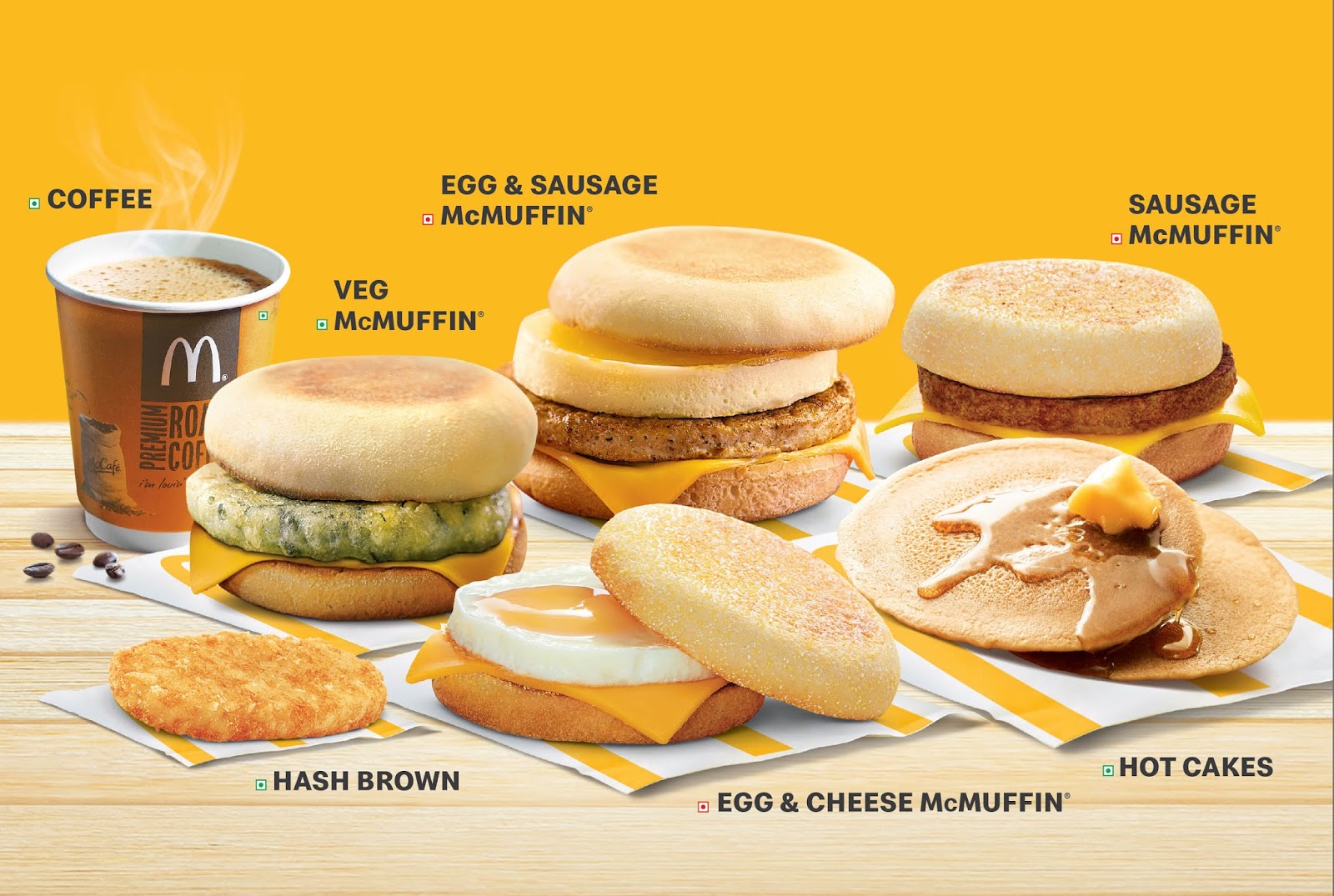
McDonald’s breakfast service hours represent a fascinating intersection of corporate policy, regional demand, and operational logistics. Unlike many fast-food chains, McDonald’s has strategically positioned breakfast as a cornerstone of its daily operations, with service windows that vary dramatically across countries, cities, and even individual locations. These variations reflect not only McDonald’s global expansion but also its adaptability to local cultures, economic factors, and consumer behavior. By examining the standardized yet flexible framework governing breakfast hours, one can uncover how McDonald’s balances consistency with customization, ensuring profitability while meeting the needs of diverse markets.
The structure of McDonald’s breakfast service hours is influenced by a multi-layered decision-making process, from headquarters directives to franchisee discretion. This global overview explores how these policies shape breakfast availability, from the early mornings of New York City to the late-service windows of Tokyo, while also addressing misconceptions, technological adaptations, and the role of special events in altering traditional schedules.

Standardized Breakfast Service Windows Across Major Countries
McDonald’s breakfast service hours are designed to align with local breakfast consumption patterns, labor laws, and peak traffic periods. While corporate guidelines provide a framework, franchisees often adjust these windows based on regional demand, foot traffic, and operational feasibility. Below is a comparative table of standard breakfast service hours for McDonald’s locations in major countries, highlighting variations in start and end times, peak hours, and regional exceptions.
| Country | Standard Start Time | Standard End Time | Peak Hours | Regional Variations |
|---|---|---|---|---|
| United States | 5:00 AM – 6:00 AM (varies by location) | 9:00 AM – 11:00 AM (most locations) | 6:00 AM – 8:00 AM (weekdays), 7:00 AM – 9:00 AM (weekends) |
|
| United Kingdom | 5:00 AM – 6:00 AM | 10:30 AM (most locations) | 6:30 AM – 8:30 AM (weekdays), 7:00 AM – 9:00 AM (weekends) |
|
| Canada | 5:00 AM – 6:00 AM | 10:00 AM – 11:00 AM | 6:00 AM – 8:00 AM (weekdays), 7:00 AM – 9:00 AM (weekends) |
|
| Australia | 6:00 AM – 7:00 AM | 10:00 AM – 11:00 AM | 7:00 AM – 9:00 AM (weekdays), 8:00 AM – 10:00 AM (weekends) |
|
| United Arab Emirates (UAE) | 7:00 AM – 8:00 AM | 11:00 AM – 12:00 PM (malls and airports) | 8:00 AM – 10:00 AM (weekdays), 9:00 AM – 11:00 AM (weekends) |
|
| Japan | 7:00 AM – 8:00 AM | 10:30 AM – 11:00 AM | 8:00 AM – 10:00 AM (weekdays), 9:00 AM – 11:00 AM (weekends) |
|
| India | 7:00 AM – 8:00 AM | 11:00 AM – 12:00 PM | 8:00 AM – 10:00 AM (weekdays), 9:00 AM – 11:00 AM (weekends) |
|
The variations in breakfast service hours reflect McDonald’s ability to adapt to cultural differences in meal timing. For instance, in the UAE and India, later breakfast hours accommodate work schedules and cultural norms where breakfast may be consumed mid-morning. Conversely, countries like the U.S. and Canada emphasize early-morning service to capture commuters and shift workers.
Table of Contents
- Understanding McDonald’s Breakfast Service Hours: A Global Overview
- Standardized Breakfast Service Windows Across Major Countries
- Corporate Policies and Franchisee Autonomy in Breakfast Service Decisions
- The Science Behind McDonald’s Breakfast Cut-Off Times: Operations and Logistics
- Operational Challenges Influencing Breakfast Cut-Off Times
- Step-by-Step Morning Kitchen Workflow at McDonald’s
Corporate Policies and Franchisee Autonomy in Breakfast Service Decisions
McDonald’s breakfast service hours are governed by a hybrid model combining corporate-wide guidelines and franchisee flexibility. The decision-making process begins at the corporate level, where global standards are established based on data analytics, labor costs, and market trends. However, franchisees retain significant autonomy to adjust these hours based on local demand, operational constraints, and competitive pressures.
A flowchart outlining this decision-making process would begin with corporate guidelines, which include: - Standardized start and end times based on regional peak traffic data. - Labor cost optimization, ensuring breakfast service aligns with employee shift schedules. - Supply chain logistics, including perishable food inventory management (e.g., eggs, bacon, pastries). - Competitive benchmarking, analyzing how nearby chains (e.g., Starbucks, Dunkin’) structure their breakfast offerings.
From these guidelines, franchisees evaluate: - Local foot traffic patterns, such
The Science Behind McDonald’s Breakfast Cut-Off Times: Operations and Logistics
McDonald’s breakfast service hours are not arbitrary—they are the result of a meticulously optimized system balancing food safety, operational efficiency, labor logistics, and customer demand. Behind the scene, a complex interplay of kitchen workflows, perishable ingredient management, labor scheduling, and data-driven adjustments ensures that breakfast service aligns with both corporate and local constraints. Understanding these operational mechanics reveals why cut-off times vary globally and how McDonald’s dynamically adapts to minimize waste while maximizing revenue. The science of breakfast cut-off times lies in harmonizing these elements to create a seamless, high-volume service model that remains consistent across thousands of locations.
Operational Challenges Influencing Breakfast Cut-Off Times
Deciding when to stop serving breakfast involves addressing three core operational challenges: food safety and shelf life, kitchen efficiency, and labor availability. Each of these factors interacts to determine the optimal cut-off time, which can differ significantly between regions due to variations in local regulations, ingredient sourcing, and customer behavior.
Food safety and shelf life dictate the maximum duration perishable ingredients like eggs, bacon, and hash browns can remain in a safe-to-consume state. McDonald’s adheres to strict time-temperature control guidelines, where items must be cooked, held, or sold within specific windows to prevent bacterial growth. For example, scrambled eggs must be held at 135°F (57°C) or higher and cannot be reheated after cooling, limiting their service window. Similarly, bacon and sausage patties are cooked fresh in batches and must be sold within 30–60 minutes of preparation to maintain quality. These constraints force McDonald’s to align breakfast cut-off times with the last safe batch preparation window, often leading to earlier closures in locations with slower morning traffic.
Kitchen efficiency is another critical factor, as breakfast service requires a different workflow than lunch or dinner. Unlike all-day breakfast menus, which rely on reheating pre-cooked items, traditional breakfast service depends on fresh cooking, increasing labor and equipment demands. Griddle stations for hash browns and egg cookers must be cleaned and reset for lunch service, adding a fixed time constraint. Additionally, breakfast-specific equipment, such as biscuit steamers or waffle irons, may require maintenance or cooling periods, further limiting service hours.
Labor scheduling introduces variability, as breakfast shifts often require peak staffing levels to handle high customer volumes during rush hours (typically 7:00 AM–9:00 AM). However, maintaining this staffing level until a later cut-off time may not be cost-effective. McDonald’s must balance labor costs with revenue potential, often cutting off breakfast when the marginal revenue no longer justifies the additional labor hours. For instance, a location in a business district might extend breakfast service to 11:00 AM due to sustained demand, while a suburban outlet may end at 10:00 AM to align with employee shift changes.
Step-by-Step Morning Kitchen Workflow at McDonald’s
The transition from opening to breakfast cut-off follows a structured workflow designed to maximize efficiency while adhering to food safety protocols. Below is a numbered breakdown of the typical morning process in a McDonald’s kitchen, from pre-opening to the final moments of breakfast service.
-
Pre-Opening Preparation (4:00 AM–5:00 AM)
McDonald’s kitchens begin prepping 4–6 hours before opening to ensure ingredients are ready for the morning rush. Tasks include:
- Restocking refrigerators with perishable items (eggs, bacon, sausage, cheese, and butter).
- Setting up breakfast-specific equipment, such as egg cookers, griddle stations for hash browns, and biscuit steamers.
- Calibrating and sanitizing cooking surfaces to meet health department standards.
- Preparing condiment stations (syrups, jam, butter packets) and utensils for self-service areas.
- Loading drive-thru order boards with breakfast menu items and setting up digital kiosks (where applicable).
-
Opening Procedures (5:00 AM–6:00 AM)
Once the store opens, the kitchen shifts to high-volume production mode. Key actions include:
- Initial batch cooking: Hash browns are loaded onto the griddle in large quantities (often 50–100 pieces at once) to ensure supply during the rush.
- Egg preparation: Scrambled eggs are made in bulk batches (typically 20–30 servings) and held in steam tables at 135°F (57°C) or higher.
- Bacon and sausage cooking: These items are cooked in smaller, frequent batches to maintain freshness, with patties stored in warmers until ordered.
- Beverage setup: Coffee machines are preheated, and McCafé breakfast drinks (e.g., lattes, cappuccinos) are prepared in advance.
- Drive-thru optimization: Crew members are assigned to breakfast-specific roles, such as dedicated order takers and food assemblers.
-
Peak Rush Hour (6:00 AM–9:00 AM)
The kitchen operates at maximum capacity, with a focus on speed and accuracy. Key strategies include:
- Modular cooking: Items are prepared in modular sections (e.g., one station for eggs, another for hash browns) to reduce bottlenecks.
- Pre-assembly: Breakfast sandwiches (e.g., McGriddle, Sausage McMuffin) are partially assembled to speed up order fulfillment.
- Temperature monitoring: Employees use infrared thermometers to verify that held foods remain above 135°F (57°C).
- Customer flow management: Dine-in and drive-thru orders are prioritized differently—drive-thru orders may receive expedited service to reduce wait times.
- Inventory checks: Mid-rush, crew members assess remaining stock (e.g., eggs, bacon) to prevent shortages or overproduction.
-
Transition Phase (9:00 AM–10:00 AM)
As customer volume declines, the kitchen begins phasing out breakfast items while preparing for lunch. Critical actions include:
- Reducing batch sizes: Cooking smaller quantities of hash browns and eggs to avoid waste.
- Disassembling breakfast stations: Egg cookers and griddle stations are cleaned and reset for lunch service.
- Switching to lunch prep: Items like French fries, burgers, and chicken sandwiches begin pre-cooking.
- Final inventory check: Crew members conduct a waste audit, discarding unsold perishables and logging data for future adjustments.
- Customer notifications: Digital menus and signage may indicate "Last call for breakfast" 15–30 minutes before cut-off.
-
Breakfast Cut-Off and Post-Service (10:00 AM–11:00 AM)
The final phase involves closing breakfast service while ensuring a smooth transition to lunch. Steps include:
- Final batch cooking: Any remaining perishable items (e.g., last batch of eggs) are sold or discarded.
- Equipment sanitization: All breakfast-specific tools (egg turners, griddle spatulas) are thoroughly cleaned to prevent cross-contamination.
- Waste disposal: Unsold food is properly discarded (composted or sent to landfills, depending on local policies).
- Data logging
McDonald’s breakfast service hours are more than just a matter of convenience—they reflect a masterclass in operational adaptability, blending corporate consistency with local ingenuity. Whether influenced by peak commute times in New York, late-night breakfast cultures in Japan, or the logistical challenges of perishable ingredients, each cut-off time tells a story of balancing profit, waste reduction, and customer expectations. From the drive-thru lanes of rural America to the all-day breakfast menus in urban hubs, the data shows one truth: flexibility is key. As technology reshapes how these hours are communicated and adjusted, the next evolution of McDonald’s breakfast strategy may lie in real-time personalization, ensuring no customer ever leaves hungry at dawn. One thing remains certain—understanding these rhythms isn’t just about timing your next meal right; it’s about grasping the intricate mechanics of a global giant that thrives on the world’s earliest cravings.
Leave a Comment
Comments are moderated before appearing. The data you submit is processed according to the Privacy Policy of Littledata.