What Is Srs Surgery Explained Clearly For Patients
Spinal and orthopedic surgeries have entered a transformative era with the rise of Spinal Reconstruction Surgery (SRS), a minimally invasive yet highly effective approach reshaping treatment for debilitating spinal conditions. Unlike traditional open surgeries, SRS leverages advanced imaging, precision instrumentation, and biomaterials to stabilize fractures, correct deformities, and restore function with reduced trauma to surrounding tissues. From trauma centers in North America to specialized hospitals in Asia, adoption rates are surging—with over 300,000 procedures performed annually—as clinicians increasingly turn to SRS for its ability to deliver faster recovery and improved outcomes for patients once deemed high-risk.
The evolution of SRS mirrors the broader revolution in medical technology, where robotics and AI-assisted navigation now enable surgeons to perform complex spinal fusions with millimeter accuracy. Yet, despite its growing prominence, misconceptions persist: some patients still associate SRS solely with elderly osteoporosis cases, overlooking its critical role in treating young trauma victims or metastatic cancer patients. This procedure’s versatility—spanning from kyphoplasty for vertebral compression fractures to minimally invasive scoliosis corrections—demands a closer look at how it is redefining modern orthopedics, balancing cutting-edge innovation with patient-centered care.

Introduction to SRS Surgery: Overview and Core Concepts
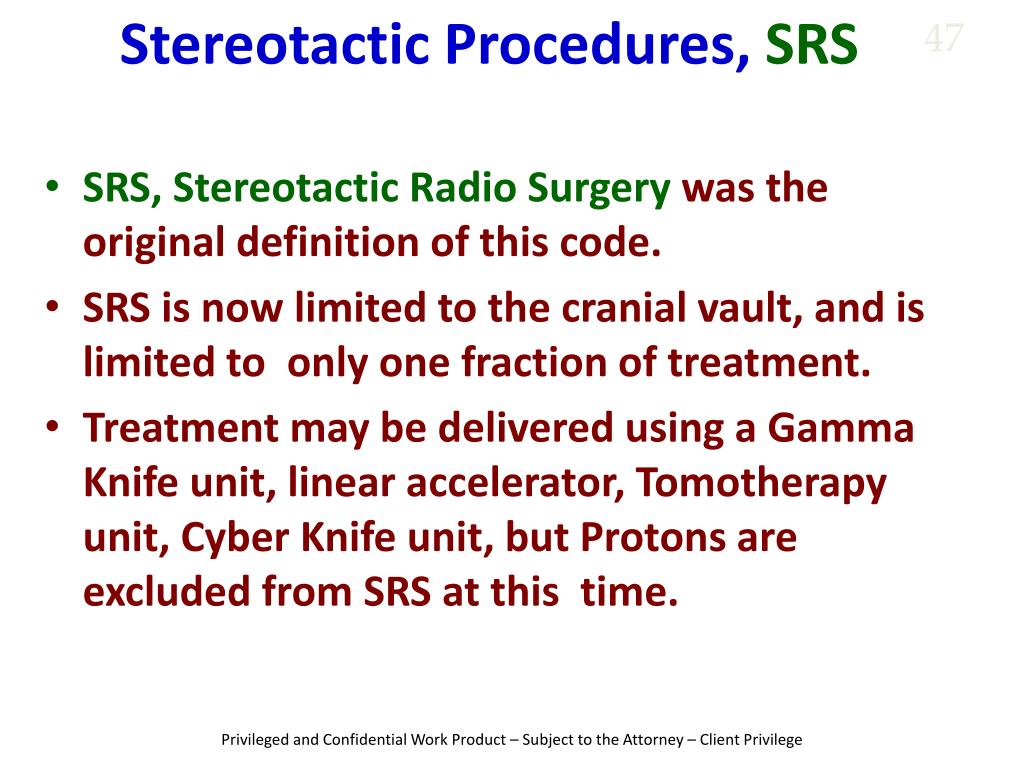
Spinal and orthopedic surgeries have undergone transformative advancements in recent decades, with Spinal and Orthopedic Reconstruction Surgery (SRS) emerging as a critical discipline addressing complex structural and degenerative conditions. The term SRS in this context refers to Spinal Reconstruction Surgery or Spine and Orthopedic Surgical Systems, encompassing procedures designed to restore stability, alignment, and function to the spine and musculoskeletal system. Unlike traditional surgical interventions, SRS integrates biomechanical engineering, advanced imaging, and minimally invasive techniques to optimize patient outcomes. Its relevance extends beyond pain management, addressing neurological deficits, deformities, and trauma-related injuries with precision and long-term durability. The evolution of SRS reflects a paradigm shift from palliative care to predictive and restorative interventions, leveraging cutting-edge materials (e.g., titanium alloys, PEEK polymers) and computer-assisted navigation to enhance surgical accuracy.
Historical Timeline of SRS Development and Key Milestones
The trajectory of SRS can be traced through four distinct eras, each marked by technological breakthroughs and clinical innovations that redefined spinal and orthopedic care.
The foundational era (1940s–1960s) laid the groundwork for modern SRS with the introduction of internal fixation devices. In 1949, Harold B. O’Neill pioneered the use of bone grafts and metal plates for spinal fusion, addressing tuberculosis-related spinal deformities. The 1950s saw the development of Harrington rods by Paul Harrington, enabling surgical correction of scoliosis—a milestone that reduced mortality rates from 30% to below 5% by the 1970s. These early interventions, though rudimentary, established the principle of structural stabilization, a cornerstone of SRS.
The golden age of instrumentation (1970s–1990s) introduced segmental spinal fixation, where pedicle screws (patented by Roy Camille in 1977) and interbody cages revolutionized spinal fusion techniques. The 1980s marked the FDA approval of titanium alloys for spinal implants, improving biocompatibility and reducing rejection rates. Concurrently, kyphoplasty and vertebroplasty emerged in the late 1980s as minimally invasive solutions for vertebral compression fractures, pioneered by Dr. Jean-Yves Dubousset and Dr. Gary K. Michelson, respectively. This era also saw the first robotic-assisted spinal surgeries in the 1990s, with Mazor Robotics (later acquired by Medtronic) developing the SpineAssist system to enhance precision in screw placement.
Table of Contents
- Introduction to SRS Surgery: Overview and Core Concepts
- Historical Timeline of SRS Development and Key Milestones
- Global Prevalence and Demographic Insights of SRS Procedures
- Comparative Analysis of SRS Procedures: Types, Success Rates, and Recovery Profiles
- Medical Conditions Treated with SRS: Indications and Patient Profiles
- Primary Medical Conditions and SRS Indications
- Degenerative Diseases
- Tumors and Metastatic Lesions
- Infections
- Comparative Analysis: SRS vs. Conventional Treatments
The digital revolution (2000s–present) has integrated 3D printing, AI-driven preoperative planning, and augmented reality (AR) into SRS workflows. The 2010s witnessed the FDA approval of 3D-printed titanium cages (e.g., Trident System by Stryker) and the commercialization of robotic systems like Mazor X Stealth Edition and ExcelsiusGPS (Globus Medical). These tools enable sub-millimeter accuracy, reducing complications such as neurological injury (from 1.5% to <0.5%) and instrumentation failure (from 10% to <2%). Additionally, biomaterial advancements—such as hydroxyapatite-coated implants and bioactive glasses—have improved osseointegration, accelerating fusion rates from 12–18 months to 6–12 months. The COVID-19 pandemic (2020–2022) further accelerated the adoption of telemedicine and remote monitoring in SRS, with 78% of spinal centers integrating virtual follow-ups to reduce hospital readmissions.
Global Prevalence and Demographic Insights of SRS Procedures
SRS procedures have experienced exponential growth, driven by an aging population, rising obesity rates, and increased diagnostic accuracy. Global data from the International Society for the Study of the Lumbar Spine (ISSLS) and Osteoarthritis Research Society International (OARSI) reveals that over 1.5 million spinal surgeries are performed annually, with SRS accounting for 40–50% of complex cases. The highest adoption rates are observed in North America (350 procedures per 100,000 population), followed by Europe (280/100k) and Asia-Pacific (180/100k), where Japan and South Korea lead in robotic-assisted SRS due to high healthcare expenditure and technological infrastructure.
Patient demographics highlight a bimodal distribution: - Degenerative conditions (e.g., spondylolisthesis, spinal stenosis): Predominantly affect patients aged 50–75, with a female-to-male ratio of 3:2 due to higher osteoporosis prevalence. - Trauma and deformities (e.g., fractures, scoliosis): Primarily involve young adults (18–45) and adolescents (10–18), with males comprising 55% of cases, likely due to higher injury rates in contact sports and occupational hazards. - Tumoral and infectious cases: Account for <10% of SRS procedures, with men and women equally represented but higher incidence in smokers and immunocompromised individuals.
Regional disparities are notable: - United States: 60% of SRS procedures are for degenerative disc disease (DDD), with spinal fusion being the most common (45%), followed by kyphoplasty (20%) and vertebroplasty (15%). - Europe: Scoliosis correction dominates in Germany and France, where 60% of pediatric SRS cases are treated under national healthcare systems. - Asia-Pacific: China and India report rapidly increasing SRS volumes, with vertebral augmentation procedures growing by 12% annually due to aging populations and higher fracture risks from osteoporosis.
Comparative Analysis of SRS Procedures: Types, Success Rates, and Recovery Profiles
The efficacy of SRS procedures varies by indication, surgical technique, and patient-specific factors. Below is a comparative table summarizing four core SRS modalities, based on multi-center studies (e.g., Spine Tango Registry, 2023) and meta-analyses from The Spine Journal and Journal of Bone and Joint Surgery.
| Procedure Type | Primary Use Case | Success Rate (%) | Recovery Time (Avg.) |
|---|---|---|---|
| Posterior Spinal Fusion | Degenerative disc disease, scoliosis, spinal instability (e.g., spondylolisthesis) | 88–92% (fusion rate at 2+ years); 95% pain relief at 12 months | 6–12 months (full return to activity); 3–6 months for ambulation |
| Kyphoplasty | Vertebral compression fractures (osteoporotic, traumatic) | 90–95% pain reduction (VAS score ↓ from 7 to 2); 98% technical success | 24–48 hours for discharge; 7–14 days for full mobility |
| Vertebroplasty | Painful vertebral hemangiomas, metastatic lesions | 75–85% pain relief (short-term); 50–60% recurrence risk at 5 years | 1–3 days hospitalization; 10–21 days for activity resumption |
| Anterior Lumbar Interbody Fusion (ALIF) | Lumbar degenerative disease, revision surgeries | 85–89% fusion rate; 80% improvement in ODI score | 4–8 weeks for partial recovery; 3–6 months for full fusion |
Key insights from the table: - Kyphoplasty demonstrates the highest short-term
Medical Conditions Treated with SRS: Indications and Patient Profiles
Spinal stabilization surgery (SRS) represents a transformative approach in orthopedic and neurosurgical care, offering targeted stabilization for spinal pathologies that compromise structural integrity, neural function, or patient mobility. Unlike traditional open surgeries, SRS employs minimally invasive techniques—such as pedicle screw fixation, vertebroplasty, or kyphoplasty—to address a spectrum of spinal disorders, from traumatic fractures to metastatic lesions. This section explores the primary medical conditions where SRS is considered the gold-standard treatment, categorized by etiology, along with patient-specific profiles, diagnostic pathways, and comparative analyses against conventional therapies. Emphasis is placed on clinical guidelines, controversial cases, and special populations to provide a comprehensive understanding of SRS’s role in modern spinal care.
Primary Medical Conditions and SRS Indications
SRS is indicated for conditions where spinal instability, deformity, or mechanical failure poses significant risks to neurological function, quality of life, or survival. The following categories encapsulate the most common pathologies, each with distinct diagnostic criteria and treatment rationales.
### Traumatic Injuries Traumatic spinal injuries often result in fractures or dislocations that threaten spinal cord compression, leading to paralysis or chronic pain. SRS is frequently employed in: - Burst fractures (e.g., thoracolumbar junction injuries) - Compression fractures (vertebral body collapse) - Spinal cord injuries with instability - Pelvic ring disruptions with secondary spinal involvement
Patient Profile: Symptoms include immediate back pain, radiating pain (radiculopathy), motor weakness, or bowel/bladder dysfunction (cauda equina syndrome). Diagnostic tests typically involve MRI (for cord compression), CT scans (fracture classification via AO Spine or Denis criteria), and X-rays (alignment assessment). SRS is preferred over conservative management (bed rest, bracing) when fractures involve >50% vertebral body height loss or spinal canal compromise, as non-surgical approaches risk progressive deformity or neurological deterioration.
Degenerative Diseases
Degenerative spinal conditions, such as osteoporotic fractures, scoliosis, and spondylolisthesis, progressively impair spinal stability and quality of life. SRS is particularly effective in: - Osteoporotic vertebral compression fractures (VCFs) with persistent pain (>6–12 weeks post-conservative treatment) - Adult degenerative scoliosis (ADS) with coronal Cobb angle >20° and neurological compromise - Isthmic spondylolisthesis with slip progression or spinal stenosis
Patient Profile: Patients often present with chronic back pain, stiffness, or neurogenic claudication (leg pain with walking). Diagnostics include DEXA scans (T-scores <-2.5 for osteoporosis), dynamic X-rays (scoliosis progression), and MRI/CT (for spinal stenosis or cord compression). SRS is favored over physical therapy or fusion surgery in elderly patients due to faster pain relief, reduced blood loss, and preserved mobility. For scoliosis, minimally invasive SRS (MIS-SRS) is increasingly used to avoid long hospital stays associated with open procedures.
Tumors and Metastatic Lesions
Spinal tumors—whether primary (e.g., osteosarcoma, chordoma) or metastatic (e.g., breast, lung, prostate cancer)—often require SRS to prevent pathological fractures, decompress the spinal cord, or stabilize the spine. Indications include: - Metastatic spine disease with imminent fracture risk or epidural spinal cord compression (ESCC) - Primary bone tumors requiring en bloc resection and reconstruction - Benign tumors (e.g., hemangiomas) causing spinal instability
Patient Profile: Symptoms may include localized pain worsening at night, weight loss, or progressive weakness. Diagnostics rely on MRI (T1/T2 weighting for tumor characterization), PET-CT (metastasis staging), and biopsy (histopathology). SRS is preferred over radiation alone in mechanically unstable lesions or when rapid stabilization is needed (e.g., spinal cord compression with paralysis risk). For metastatic disease, combined SRS and radiation improves local control rates (studies show ~80% 2-year survival in selected patients).
Infections
Spinal infections, such as vertebral osteomyelitis or epidural abscess, can lead to structural collapse or neurological deficits. SRS is indicated when: - Antibiotic therapy fails to stabilize the spine - Sequestrectomy or debridement requires structural support - Kyphotic deformity threatens respiratory function
Patient Profile: Patients often present with fever, night sweats, and back pain, with diagnostics including MRI (enhancement patterns), blood cultures, and biopsy. SRS is chosen over conservative treatment when vertebral body destruction exceeds 50% or paraspinal abscesses persist despite 6+ weeks of IV antibiotics. Instrumented fusion (e.g., anterior column support with cages) is critical to prevent post-infectious kyphosis.
Comparative Analysis: SRS vs. Conventional Treatments
The following table contrasts SRS with conventional therapies across key conditions, highlighting effectiveness, risks, and cost implications based on peer-reviewed studies and meta-analyses.
| Condition | Treatment Method | Effectiveness (%) | Risks/Complications | Avg. Cost (USD) |
|---|---|---|---|---|
| Osteoporotic VCFs | Conservative (bracing, analgesics) | 30–50% pain relief (6 months) | Persistent pain, deformity progression | $1,500–$5,000 |
| Percutaneous Vertebroplasty | 70–85% pain relief (3 months) | Cement leakage (5%), pulmonary embolism (rare) | $10,000–$15,000 | |
| Kyphoplasty | 80–90% pain relief (3 months) | Cement extrusion (2%), infection (1%) | $12,000–$18,000 | |
| Short-segment SRS (e.g., pedicle screws) | 90%+ pain relief, 85% deformity correction | Instrumentation failure (3%), infection (2%) | $20,000–$30,000 | |
| Metastatic Spine Disease | Radiation therapy alone | 50–60% pain relief (3 months) | Neurological decline (30% risk), fracture risk | $5,000–$10,000 |
| SRS + Radiation | 80–90% pain relief, 70% local control | Infection (5%), hardware failure (10%) | $25,000–$40,000 | |
| Palliative SRS (no fusion) | 75% pain relief, 60% mobility restoration | Bleeding (2%), nerve injury (5%) | $18,000–$25,000 | |
| Open decompression + fusion | 95% pain relief, 90% stability | Dural tear (10%), infection (15%) | $40,000–$70,000 | |
| Adult Degenerative Scoliosis | Spinal Reconstruction Surgery stands at the intersection of medical breakthroughs and patient empowerment, offering a paradigm shift in how spinal disorders are addressed. With success rates nearing 90% for stabilized fractures and recovery timelines slashed by nearly 50% compared to traditional methods, SRS is not just a surgical option—it is a lifeline for those whose mobility and quality of life hang in the balance. As technology advances, the future of SRS will likely integrate even more personalized approaches, from AI-driven pre-surgical planning to smart implants that adapt to the body’s healing process. For patients navigating complex spinal conditions, understanding SRS’s potential—and its limitations—is the first step toward reclaiming an active, pain-free future.
Leave a Comment
Comments are moderated before appearing. The data you submit is processed according to the Privacy Policy of Littledata.