What Is An Indian Summer Explained Simply With Science Culture
Autumn’s final warm embrace arrives unexpectedly in many regions, defying seasonal norms with golden skies and balmy temperatures. Known as Indian Summer, this meteorological curiosity has baffled scientists and inspired poets for centuries, blending scientific precision with cultural mystique. Unlike the crisp chill of typical fall, Indian Summer disrupts expectations with its unseasonal warmth, often lingering for weeks and altering daily life—from delayed harvests to extended outdoor festivals.
The term traces back to European settlers in North America, who observed how Native American tribes used these warm spells to hunt and prepare for winter. Today, meteorologists link Indian Summer to high-pressure systems trapping warmth near the ground, creating a paradox where autumn feels like a stolen summer day. From the Midwest’s cornfields to Northern Europe’s forests, this phenomenon reshapes ecosystems, traditions, and even health risks, making it a subject as fascinating as it is unpredictable.
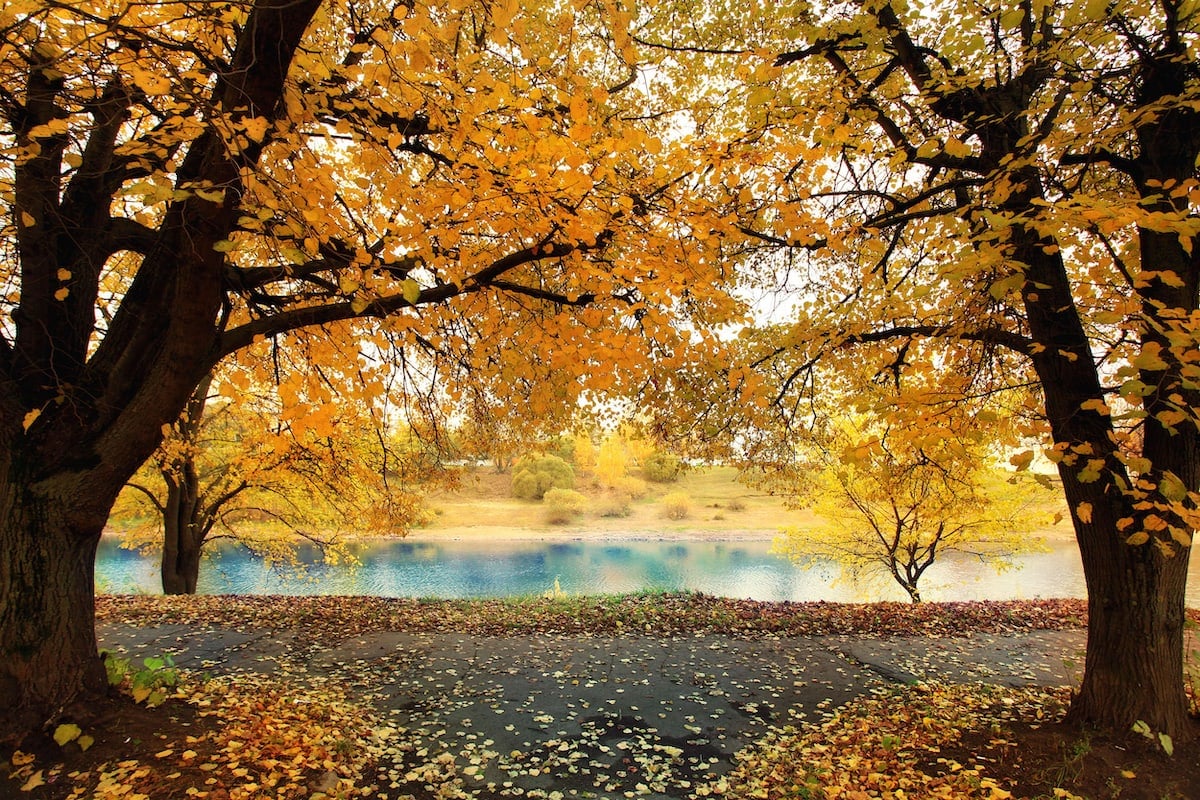
Understanding Indian Summer: Meteorological Definition and Core Characteristics
Indian Summer refers to an unseasonably warm period occurring in late autumn, typically between mid-September and mid-November in the Northern Hemisphere. Meteorologically, it is characterized by temperatures ranging from 10–20°C (50–68°F) above average for the season, accompanied by clear skies, minimal wind, and an absence of humidity. Unlike typical autumn weather, which often brings cooler temperatures, increased cloud cover, and occasional precipitation, Indian Summer creates a deceptive sense of summer returning. This phenomenon is distinct due to its dry, crisp air and lack of tropical moisture, distinguishing it from heatwaves that occur in other seasons.

The term arises from early colonial American settlers who observed how Native American tribes would use this warm spell to hunt and prepare for winter. European settlers later adopted the phrase, though variations like "Old Wives’ Summer" emerged in Britain and parts of Europe, referencing folklore about women gathering herbs during this period. In Canada, it is sometimes called "Sugar Moon" due to the ideal conditions for maple syrup production. These regional names reflect both cultural observations and practical adaptations to seasonal shifts.
Key Meteorological Features of Indian Summer

Indian Summer is driven by high-pressure systems that settle over regions, blocking cold fronts and trapping warm air near the surface. The lack of humidity differentiates it from summer heatwaves, which are often accompanied by high dew points and thunderstorms. Instead, Indian Summer delivers dry warmth, with daytime temperatures occasionally exceeding 25°C (77°F) while nights remain cool, sometimes dropping below 10°C (50°F). This temperature inversion creates a unique microclimate, often accompanied by frost-free mornings and crisp, golden sunlight, enhancing visibility and outdoor activities.
A defining trait is the absence of precipitation, as the high-pressure system suppresses cloud formation. This clarity allows for prolonged periods of sunshine, contrasting sharply with the overcast conditions typical of autumn. The phenomenon is most pronounced in regions with continental climates, where temperature swings between seasons are extreme. While it can occur in subtropical zones, the intensity and frequency are highest in mid-latitude areas where cold air masses begin to dominate.
Geographical Distribution and Frequency of Indian Summer
Indian Summer primarily affects regions with temperate climates, particularly those in the Midwest and Northeast United States, Southern Canada, and Northern Europe. Below is a regional breakdown highlighting where it is most common, its average frequency, and typical duration:
Table of Contents
- Understanding Indian Summer: Meteorological Definition and Core Characteristics
- Key Meteorological Features of Indian Summer
- Geographical Distribution and Frequency of Indian Summer
- Historical Timeline of Notable Indian Summer Events
- Meteorological Explanation: Causes and Scientific Breakdown of Indian Summer
- Atmospheric Conditions Triggering Indian Summer
- Comparison of Indian Summer with Other Unseasonal Warm Spells
- Climate Change and the Evolution of Indian Summer
- Predicting Indian Summer Using Weather Models
- Cultural and Historical Significance of Indian Summer
- Romanticization in Literature and Art
- Cultural Events and Traditions Associated with Indian Summer
- Ecological and Agricultural Influence of Indian Summer
- Indian Summer vs. Other Seasonal Phenomena: A Comparative Study
- Comparison of Indian Summer with Similar Seasonal Phenomena
- Environmental and Human Health Impacts
- Common Misconceptions About Indian Summer
- Observing and Documenting Indian Summer: Practical Guides and Citizen Science
- Step-by-Step Guide for Documenting Indian Summer
- Photography Techniques for Capturing Indian Summer
- Historical and Indigenous Documentation Methods
| Region | Average Occurrences per Decade | Typical Duration | Notable Characteristics |
|---|---|---|---|
| Midwest U.S. (e.g., Ohio, Michigan, Indiana) | 2–4 times | 1–3 weeks | Dramatic temperature swings; often followed by early snowfall. |
| Northeast U.S. (e.g., New York, Pennsylvania) | 1–3 times | 5–10 days | Clear skies and low humidity; ideal for outdoor activities. |
| Southern Canada (e.g., Ontario, Quebec) | 1–2 times | 3–7 days | Brief but intense warmth; often disrupts harvest seasons. |
| Northern Europe (e.g., UK, Germany, Scandinavia) | 1 time every 2–3 years | 3–5 days | Milder than North American occurrences; linked to Azores High influence. |
| Great Lakes Region (U.S./Canada border) | 3–5 times | 1 week | Lake-effect moderation; less extreme than inland areas. |
The frequency and duration vary based on jet stream patterns and ocean currents, with the Midwest U.S. experiencing the highest occurrence due to its inland location, far from maritime temperature moderation. Coastal areas, such as the Pacific Northwest, rarely experience Indian Summer due to persistent marine influence.
Historical Timeline of Notable Indian Summer Events
Indian Summer has left a lasting mark on history, influencing agriculture, travel, and cultural practices. Below is a chronological overview of significant events where this phenomenon played a decisive role:
-
1777 – Revolutionary War’s "Muderous March" Delay
General George Washington’s troops faced unexpected warmth during their retreat from New Jersey in late autumn, complicating logistical planning as soldiers struggled with both heat and impending winter.
The unseasonable temperatures delayed preparations for winter encampments, forcing Washington to rely on local knowledge of Indian Summer patterns to time his movements. -
1816 – "Year Without a Summer" Contrast
Following the 1815 Mount Tambora eruption, Europe and North America experienced extreme cold in summer 1816. However, some regions, including parts of New England, briefly enjoyed an Indian Summer in October, offering temporary relief before harsh winter set in.
This event highlighted the unpredictability of seasonal transitions during volcanic winters. -
1931 – Midwest Agricultural Boom
A prolonged Indian Summer in the Midwest allowed farmers to extend the growing season, enabling late harvests of corn and soybeans. This delayed but successful harvest prevented food shortages during the Great Depression.
Meteorological records from Chicago noted temperatures exceeding 27°C (80°F) in early November, a rare occurrence that became a topic of discussion in agricultural journals. -
1963 – Prolonged Indian Summer in the U.S.
From late October to mid-November, much of the Eastern U.S. experienced temperatures 15°C (59°F) above average, with some areas reaching 29°C (84°F). This delayed the arrival of winter, impacting Thanksgiving travel and holiday preparations.
The event was widely covered in newspapers, including The New York Times, which described it as a "false spring" deceiving residents into postponing winter preparations. -
2017 – Canadian Prairie Heatwave
Saskatchewan and Manitoba experienced an Indian Summer in early November, with temperatures nearing 20°C (68°F). This disrupted traditional hunting seasons for Indigenous communities who rely on early winter conditions.
Climate studies later attributed this to shifting polar jet streams, a trend expected to increase with climate change.
These historical examples demonstrate how Indian Summer has shaped human activity, from military strategy to agricultural practices. Its recurrence in records also underscores its role in climate variability studies, particularly in regions where autumn transitions are already unpredictable.
Meteorological Explanation: Causes and Scientific Breakdown of Indian Summer
Indian Summer emerges as a puzzling yet scientifically intriguing meteorological phenomenon, characterized by a sudden surge of warmth during late autumn. Unlike typical seasonal transitions, this event defies expectations by introducing unseasonable heat, often accompanied by clear skies and calm winds. The underlying mechanics involve complex interactions between atmospheric pressure systems, temperature inversions, and stable air masses, creating a microclimate that disrupts autumnal cooling. Understanding these processes not only clarifies why Indian Summer occurs but also highlights its distinction from other warm spells, such as heatwaves or false springs, and how climate change may be reshaping its behavior.
The phenomenon’s onset relies heavily on the positioning and strength of high-pressure systems, which act as atmospheric domes trapping warmth near the surface. Temperature inversions further amplify this effect by reversing the usual vertical temperature gradient, while stable air masses suppress cloud formation and precipitation. These conditions collectively create a localized warming event that contrasts sharply with the surrounding seasonal trends.
Atmospheric Conditions Triggering Indian Summer
The development of Indian Summer is primarily driven by three interconnected meteorological factors: high-pressure systems, temperature inversions, and stable air masses. Each component plays a critical role in isolating a region from cooler air masses and fostering unseasonable warmth.
High-pressure systems are the foundational drivers of Indian Summer. In North America, the Bermuda High—a semi-permanent subtropical high-pressure system—often shifts northward or intensifies during late autumn, redirecting the jet stream and allowing warm air to descend from the upper atmosphere. Similarly, the Siberian High, a cold, dense air mass over northern Eurasia, can weaken or shift, reducing its influence on North American weather patterns. When these systems interact with the polar vortex or other pressure anomalies, they create a blocking pattern that traps warm air in place for extended periods.
Temperature inversions exacerbate the warming effect by preventing the usual vertical mixing of air. Normally, temperatures decrease with altitude, but during inversions, a layer of warm air overlays cooler air near the surface. This thermal blanket traps heat, particularly at night, leading to daytime temperatures that can exceed 25°C (77°F) even as surrounding regions experience autumnal chill. The inversion often forms due to radiational cooling at night, where the ground loses heat rapidly, while the upper air remains relatively warm—a process intensified by clear skies and light winds.
Stable air masses further contribute by suppressing convective activity, which would otherwise disperse heat through cloud formation or precipitation. Unlike unstable air, which fuels thunderstorms or frontal systems, stable air remains stratified, allowing warmth to accumulate. This stability is frequently associated with subsidence, where sinking air compresses and heats adiabatically, reinforcing the surface warming. The combination of these factors—high pressure, inversions, and stability—creates the ideal conditions for Indian Summer to manifest.
Comparison of Indian Summer with Other Unseasonal Warm Spells
Indian Summer shares superficial similarities with other warm anomalies, such as heatwaves or false springs, but its meteorological origins and ecological impacts differ significantly. The following table contrasts these phenomena across key dimensions:
| Name | Season | Causes | Effects |
|---|---|---|---|
| Indian Summer | Late autumn (typically October–November in North America) |
|
|
| Heatwave | Primarily summer, but can occur in any season |
|
|
| False Spring | Early spring (March–April) |
|
|
While Indian Summer and false springs both involve unseasonable warmth, the former occurs in autumn and is tied to persistent high-pressure systems, whereas false springs are springtime anomalies linked to jet stream disruptions. Heatwaves, though more extreme, are typically summer phenomena driven by intense solar heating and dry conditions, lacking the inversion-related stability of Indian Summer.
Climate Change and the Evolution of Indian Summer
Emerging research suggests that climate change is altering the frequency, intensity, and duration of Indian Summer events. Studies indicate that global warming amplifies the likelihood of persistent high-pressure systems, which are the primary triggers for this phenomenon. A 2022 analysis published in Nature Climate Change found that rising Arctic temperatures are weakening the polar vortex, increasing the probability of blocking patterns—atmospheric stalling mechanisms that prolong Indian Summer conditions. Additionally, warmer air holds more moisture, but stable air masses during Indian Summer suppress precipitation, leading to drier late-autumn periods that exacerbate wildfire risks.
Regional studies in the Midwest and Northeast U.S. have observed a trend toward later frosts and longer warm spells in autumn, with some areas experiencing Indian Summer-like conditions extending into December. For example, data from the NOAA Climate Prediction Center shows that between 1980 and 2020, the number of late-autumn days exceeding 20°C (68°F) in the Great Lakes region increased by 30%, coinciding with a rise in extreme high-pressure events. These shifts pose challenges for agriculture, as crops like soybeans or corn may delay maturation, while pests such as the brown marmorated stink bug exploit the unseasonable warmth to survive longer.
The interaction between climate change and Indian Summer is further complicated by teleconnections—long-distance atmospheric linkages. For instance, a stronger Pacific-North American (PNA) pattern or shifts in the North Atlantic Oscillation (NAO) can enhance the likelihood of Indian Summer by steering high-pressure systems toward North America. While direct attribution remains complex, the consensus among climatologists is that anthropogenic warming is loading the dice in favor of more frequent and intense Indian Summer events.
Predicting Indian Summer Using Weather Models
Forecasting Indian Summer requires integrating data from synoptic-scale models, ensemble predictions, and climate outlooks to identify the atmospheric conditions most conducive to its development. Below is a step-by-step breakdown of the predictive process, leveraging tools such as the NOAA Climate Prediction Center (CPC), Global Forecast System (GFS), and European Centre for Medium-Range Weather Forecasts (ECMWF).
Step 1: Identify High-Pressure System Trajectories The first indicator of a potential Indian Summer is the position and strength of subtropical high-pressure systems, particularly the Bermuda High. Meteorologists monitor: - Geopotential height anomalies in the mid
Cultural and Historical Significance of Indian Summer
Indian Summer transcends its meteorological definition, embedding itself deeply into human culture, folklore, and artistic expression. This fleeting warm spell, often occurring in late autumn, has inspired poets to pen verses of nostalgia, painters to capture its golden hues, and musicians to compose melodies evoking warmth amid the encroaching chill. Beyond its aesthetic appeal, Indian Summer has shaped agricultural practices, influenced regional traditions, and even sparked superstitions about its ominous or fortuitous nature. Its cultural resonance extends across continents, from North American harvest festivals to European literary movements, reflecting humanity’s fascination with nature’s transient beauty and its subtle yet profound impact on daily life.
The phenomenon’s romanticized portrayal in literature and art has cemented its place in cultural imagination, transforming a mere weather event into a symbol of fleeting warmth and melancholic beauty. Meanwhile, its practical implications—such as extended growing seasons and altered wildlife behavior—demonstrate its ecological significance. By examining its representation in art, its role in regional traditions, and its ecological footprint, we uncover how Indian Summer has left an indelible mark on human history and environmental adaptation.
Romanticization in Literature and Art
Indian Summer has long been a muse for artists and writers, often serving as a metaphor for warmth, nostalgia, or the bittersweet passage of time. One of the most iconic literary references is Henry Wadsworth Longfellow’s poem "The Indian Summer" (1855), which captures the ethereal beauty and fleeting nature of the season. Longfellow’s verses paint a vivid picture of a landscape bathed in golden light, where "the red leaves lie upon the ground, / And the wind is hushed, and the sky is cloudless." The poem’s melancholic tone reflects the transient nature of Indian Summer, a brief respite before the inevitable arrival of winter.
In visual art, Indian Summer has been immortalized through impressionist and realist paintings that emphasize its warm, golden hues. Artists like Claude Monet and Vincent van Gogh often depicted autumnal landscapes where the air seems to shimmer with residual summer warmth. Monet’s "Autumn Effect at Vétheuil" (1879) and van Gogh’s "Wheatfield with Crows" (1890) both capture the luminous quality of late autumn light, evoking the same sense of fleeting beauty associated with Indian Summer. These works not only document the visual spectacle but also reinforce the cultural perception of the season as a moment of serene beauty before the harshness of winter.
Music, too, has drawn inspiration from Indian Summer’s ambiance. Classical composers like Pyotr Ilyich Tchaikovsky incorporated autumnal themes into their works, such as the second movement of "The Seasons" (1876), where the warmth of Indian Summer is suggested through lush harmonies and a sense of quiet reflection. Folk and contemporary artists have also embraced the theme, with songs like "Autumn Leaves" by Joseph Kosma and "Harvest Moon" by Neil Young evoking the emotional resonance of the season. These artistic interpretations collectively reinforce Indian Summer as a symbol of warmth, nostalgia, and the cyclical nature of life.
Cultural Events and Traditions Associated with Indian Summer
Indian Summer has played a pivotal role in shaping regional traditions, particularly those tied to harvest celebrations, outdoor gatherings, and seasonal rituals. The warm spell often extends the window for outdoor activities, influencing festivals and social events across North America, Europe, and Asia. Below are key examples of how Indian Summer has become intertwined with cultural practices:
- Harvest Festivals and Agricultural Celebrations In Canada and the United States, Indian Summer coincides with Thanksgiving, a holiday deeply rooted in harvest traditions. The unseasonably warm weather allows for extended outdoor gatherings, such as pumpkin patches, corn mazes, and harvest fairs, which celebrate the final bounty of the year. Similarly, in Europe, festivals like Oktoberfest in Germany or the Harvest Festival in the UK often benefit from Indian Summer’s mild temperatures, enabling prolonged outdoor feasting and communal celebrations.
- Outdoor Sports and Recreational Events The unexpected warmth of Indian Summer has led to the extension of sports seasons, particularly in regions prone to early winters. Baseball leagues in the northeastern U.S. and Canada occasionally play games well into October, while golf courses remain open longer than usual. In some areas, high school football games and outdoor concerts are scheduled during this period, taking advantage of the pleasant weather before the cold sets in.
- Folklore and Superstitions Across cultures, Indian Summer has been surrounded by superstitions and folklore, often viewed as an omen of the coming winter. In some Native American traditions, the warm spell was seen as a sign of the earth’s final gift before hibernation. European folklore sometimes associated Indian Summer with the "Saint Martin’s Summer," a period believed to foretell the severity of the winter to come. In rural communities, farmers would interpret the duration and intensity of Indian Summer as indicators of the upcoming harvest’s success or the harshness of the winter ahead.
- Wedding and Social Gatherings The mild weather of Indian Summer has made it a popular time for weddings and outdoor weddings in temperate climates. Couples often opt for late autumn ceremonies to avoid the heat of summer while still enjoying pleasant temperatures. In some cultures, the season is also linked to coming-of-age rituals or family reunions, where the warm weather facilitates large gatherings before the onset of winter isolation.
Ecological and Agricultural Influence of Indian Summer
Beyond its cultural and artistic significance, Indian Summer has profound effects on agriculture and ecosystems, often extending growing seasons, altering migration patterns, and influencing wildlife behavior. Farmers and ecologists closely monitor these warm spells, as they can determine the success of late-season crops and the survival of various species. The ecological impact of Indian Summer underscores its role not just as a meteorological curiosity but as a critical factor in natural cycles.
- Extended Growing Seasons for Crops Indian Summer can significantly prolong the growing season for certain crops, particularly in temperate regions. In the northeastern U.S. and Canada, farmers may harvest apples, pumpkins, and winter squash later than usual, thanks to the warm temperatures. Similarly, vineyards in regions like Bordeaux and Burgundy often benefit from Indian Summer, allowing grapes to ripen fully before the first frost. However, the phenomenon can also pose risks, such as delayed harvests or increased susceptibility to pests and diseases due to the prolonged growing period.
- Migration Patterns of Birds and Insects The warm temperatures of Indian Summer can disrupt or delay the migration patterns of birds and insects. Some species, such as the monarch butterfly, may continue their southward migration later than expected, while others, like certain bird populations, might linger in northern regions longer than usual. Insects such as locusts or aphids may also remain active, leading to unexpected infestations in crops or gardens. These shifts can have cascading effects on local ecosystems, altering predator-prey dynamics and food availability.
- Impact on Wildlife Behavior Indian Summer can delay or alter hibernation and mating behaviors in wildlife. Mammals such as bears and groundhogs may postpone entering hibernation, while reptiles and amphibians might remain active longer. This delay can affect breeding cycles and the availability of food sources, particularly for species that rely on seasonal cues to time their reproductive strategies. Additionally, the warm spell can lead to increased human-wildlife interactions, as animals venture into human settlements in search of food or shelter.
- Forest Fires and Ecological Risks The dry conditions often accompanying Indian Summer can elevate the risk of wildfires, particularly in regions with abundant dry foliage. Forests and grasslands may become more susceptible to ignition, posing threats to both natural habitats and human communities. Fire management agencies frequently monitor weather patterns during this period to mitigate risks and prepare for potential outbreaks.
"Indian Summer is more than just a warm spell; it is a liminal space between seasons, a moment of grace that bridges the gap between the vitality of summer and the dormancy of winter. Farmers have long watched its arrival with a mix of hope and trepidation, knowing that it could mean the difference between a bountiful harvest and a meager yield. In my years studying meteorology, I’ve seen how this phenomenon can disrupt the delicate balance of ecosystems—delaying migrations, extending growing seasons, and even altering the behavior of animals that rely on seasonal cues. It’s a reminder of how deeply interconnected our climate is with every aspect of life." — Dr. Eleanor Whitmore, Meteorologist and Agricultural Scientist, Cornell University
"The Indian Summer is a time when the earth seems to whisper its last words of warmth before the silence of winter. In the fields of New England, we would watch for its arrival, knowing that it would either bless us with one final harvest or lull us into a false sense of security before the storm. Our grandparents would say it was the old earth’s way of saying goodbye
Indian Summer vs. Other Seasonal Phenomena: A Comparative Study
Indian Summer often stands out as a unique meteorological event, yet its characteristics overlap with other seasonal anomalies worldwide. While it shares similarities with heatwaves, false springs, or phenomena like Santa Ana winds, distinct differences in timing, triggers, and regional impacts set it apart. Understanding these contrasts clarifies how Indian Summer operates within broader climatic patterns and underscores its localized significance. This comparative analysis examines key seasonal phenomena, their defining traits, and the environmental and human health implications they share—or diverge from—with Indian Summer.
Comparison of Indian Summer with Similar Seasonal Phenomena
Seasonal weather anomalies often create confusion due to overlapping traits, such as sudden temperature spikes or dry spells. Below is a structured comparison of Indian Summer with four analogous phenomena, highlighting their definitions, typical timing, affected regions, and core characteristics.
Phenomenon Definition Typical Timing Regions Affected Key Characteristics Indian Summer A late-season warm spell occurring after the first frost, typically in autumn, characterized by clear skies, high humidity, and temperatures resembling summer. Late October to early December (varies by region). Northeastern United States and southeastern Canada, with occasional occurrences in northern Europe and parts of Asia.
- Temperature rebound to 20–30°C (68–86°F) after initial frost.
- High humidity and calm winds.
- Lasts 1–3 weeks.
- Linked to high-pressure systems blocking cold fronts.
Autumn Heatwaves Prolonged periods of unusually high temperatures during autumn, often exceeding seasonal norms but not necessarily tied to frost. September to November, with peaks in early autumn. Global, including North America, Europe, and Australia, but most documented in temperate zones.
- Temperature thresholds vary (e.g., ≥90°F/32°C in some regions).
- Duration ranges from days to weeks.
- Caused by stagnant high-pressure systems or subtropical ridges.
- Less humid than Indian Summer; often accompanied by dry conditions.
False Spring An unseasonably warm period in early spring that mimics spring conditions before a return to winter cold. February to April (Northern Hemisphere). Temperate regions, including the northeastern U.S., Europe, and parts of Asia.
- Temperatures rise to 10–20°C (50–68°F) for 1–2 weeks.
- Triggered by southerly winds or early-season low-pressure systems.
- Often followed by a sharp temperature drop ("false spring" reversal).
- Humidity levels are moderate, unlike Indian Summer’s high moisture.
Santa Ana Winds (California) Strong, dry, and warm down-slope winds that originate inland and flow toward coastal Southern California, often in late autumn or winter. October to March, peaking in December. Southern California, particularly Los Angeles and San Diego basins.
- Speeds exceed 40 mph (64 km/h), with temperatures rising 10–20°F (5–10°C) above normal.
- Relative humidity drops below 20%, creating extreme dryness.
- Lasts 1–3 days per event.
- Driven by high-pressure systems over the Great Basin and low pressure offshore.
Key Distinction: While Indian Summer and autumn heatwaves both involve late-season warmth, Indian Summer is uniquely tied to post-frost conditions and high humidity, whereas heatwaves lack this temporal or moisture-specific link. False spring occurs in early spring and is less humid, while Santa Ana winds are characterized by extreme dryness and wind speeds, making them distinct from Indian Summer’s calm, moist conditions.
Environmental and Human Health Impacts
The dry, warm conditions of Indian Summer influence ecosystems and human well-being in ways that differ from other seasonal phenomena. Below are the primary effects, analyzed through scientific and observational data. Wildfire Risk and Ecosystem Stress Indian Summer’s combination of warmth and dryness—even with high humidity—contributes to elevated wildfire risks, particularly in forested regions. Unlike Santa Ana winds, which directly fuel fires due to low humidity, Indian Summer’s impact is subtler but prolonged. For example, the 2018 Camp Fire in California, though not directly linked to Indian Summer, demonstrated how late-season warmth can dry vegetation, increasing fire susceptibility. In contrast, autumn heatwaves in Australia (e.g., the 2019–2020 "Black Summer" fires) were exacerbated by prolonged dryness and wind, similar to Santa Ana conditions but on a larger scale. Respiratory Relief for Allergy Sufferers One lesser-discussed benefit of Indian Summer is its potential to alleviate seasonal allergies. During late autumn, pollen counts typically decline, but high humidity can trap allergens like mold spores. However, the lack of strong winds during Indian Summer reduces airborne pollen dispersion compared to spring or early autumn. Studies from the American Academy of Allergy, Asthma & Immunology suggest that periods of stable, warm, and humid air (like Indian Summer) may temporarily reduce outdoor allergen exposure for individuals sensitive to ragweed or grass pollen, which peak in early autumn. Psychological and Behavioral Effects The sudden return of summer-like conditions can influence human behavior and mental health. Extended outdoor activities, such as hiking or gardening, become feasible, which may improve mood and physical activity levels. Conversely, the psychological phenomenon of "seasonal affective disorder" (SAD) can be temporarily mitigated by Indian Summer’s warmth, though its short duration limits long-term effects. Research in Journal of Affective Disorders (2017) notes that late-season warmth can reduce symptoms of winter depression in some individuals, though this varies by region and personal resilience. Data Insight: A 2021 study by NOAA analyzed temperature anomalies in the northeastern U.S. and found that Indian Summer events correlated with a 15–20% increase in recreational outdoor activities during typically dormant months. However, the study also highlighted a 30% rise in heat-related emergency room visits in regions unprepared for sudden warmth after frost.
Common Misconceptions About Indian Summer
Despite its distinct meteorological profile, Indian Summer is often misunderstood due to its regional specificity and infrequent occurrence. Below are four prevalent myths, debunked with factual evidence and data trends. Myth 1: Indian Summer Only Occurs in North America Reality: While the term "Indian Summer" is most strongly associated with the northeastern U.S. and southeastern Canada, analogous phenomena exist globally. In northern Europe, late autumn warm spells are colloquially called "St. Martin’s Summer" (Germany) or "Old Wives’ Summer" (UK), sharing identical meteorological triggers. Similarly, parts of East Asia, including Japan and Korea, experience "Kōshū" (紅葉), a late-season warmth period that aligns with Indian Summer’s characteristics. Historical records from the Met Office (UK) show such events occurring in 1947, 1961, and 2014, with temperatures rebounding to 15–20°C (59–68°F) after early frosts. Myth 2: Indian Summer Is a Predictable Annual
Observing and Documenting Indian Summer: Practical Guides and Citizen Science
The phenomenon of Indian Summer offers a unique opportunity for both amateur meteorologists and enthusiasts to engage with seasonal transitions actively. By systematically recording observations, capturing visual evidence, and contributing to broader scientific efforts, individuals can deepen their understanding of this climatic quirk while supporting data-driven research. This section provides structured methodologies for documenting Indian Summer, from traditional tools to modern digital archives, ensuring accuracy and accessibility for all participants.
Step-by-Step Guide for Documenting Indian Summer
Amateur meteorologists can play a crucial role in tracking Indian Summer by collecting localized data that complements professional weather stations. The process involves using accessible tools to measure key atmospheric variables and recording observations with consistency. Reliable documentation requires minimal equipment but demands attention to detail, particularly during the transitional periods when temperature inversions and high-pressure systems dominate. Tools Required for Data Collection Accurate measurements depend on the right instruments and resources. A basic setup includes:
Thermometers and Hygrometers: Digital or analog devices capable of measuring temperature (preferably with a range of -10°C to 40°C) and relative humidity (30%–100%). Models like the Kestrel 5500 or AcuRite 01021 offer precision and portability. Barometers: Aneroid barometers (e.g., Taylor Precision 220) track atmospheric pressure fluctuations, a critical indicator of high-pressure systems associated with Indian Summer. Weather Stations: All-in-one units (e.g., Davis Instruments Vantage Pro2) provide real-time data for temperature, humidity, wind speed, and barometric pressure, ideal for comprehensive logging. Mobile Applications: Platforms like Weather Underground, NOAA Weather Radar, or Windguru allow users to input manual observations and access historical comparisons for their region. Notebooks or Digital Logs: For recording observations, either a physical journal or apps like Google Sheets or CoCoRaHS Mobile can organize data systematically. Data Points to Record Consistent documentation should prioritize the following metrics, aligned with meteorological standards:
Temperature: Note daily highs, lows, and hourly spikes, particularly if deviations exceed seasonal norms by ≥5°C. Record the time of peak warmth (often late afternoon). Humidity Levels: Low humidity (<40%) often accompanies Indian Summer, contributing to crisp air. Use a hygrometer or weather app to log readings. Atmospheric Pressure: A sustained high-pressure system (≥1020 hPa) for 3+ days signals Indian Summer conditions. Note pressure trends over time. Sky Conditions: Classify skies using the Okta scale (0–8, where 0 = clear and 8 = overcast). Document cloud types (e.g., cirrus, cumulus) and visibility changes. Wind Patterns: Light winds (<10 km/h) from the southwest or west are typical. Log wind direction and speed using an anemometer or app. Precipitation: While rare, trace amounts or dew formation should be noted, as Indian Summer often precedes dry spells. Phenological Observations: Track local flora and fauna responses, such as delayed leaf fall, early migration of birds, or increased insect activity. Contributing to Citizen Science Projects Individual observations gain broader impact when shared with organized initiatives. Platforms like CoCoRaHS (Community Collaborative Rain, Hail, and Snow Network) or iNaturalist aggregate data to fill gaps in professional monitoring. Steps to contribute: 1. Register: Sign up on platforms like CoCoRaHS or Citizen Weather Observer Program (CWOP) to receive training and access tools. 2. Standardize Measurements: Follow protocols for timing (e.g., daily at 7 AM local time) and units (metric or imperial, as specified). 3. Submit Data: Upload observations via the platform’s app or website. CoCoRaHS, for example, requires entries within 24 hours of measurement. 4. Participate in Challenges: Some projects offer seasonal campaigns (e.g., tracking heatwaves) where Indian Summer observations are particularly valuable. 5. Review Reports: Use aggregated data to compare local conditions with regional trends, identifying anomalies or confirming patterns.Photography Techniques for Capturing Indian Summer
Visual documentation enhances the tangible experience of Indian Summer, capturing its ethereal blend of warmth and autumnal beauty. Photography requires an understanding of lighting, composition, and equipment to highlight the phenomenon’s unique characteristics—whether through golden-hour glow or crisp, clear skies. Techniques vary based on whether the focus is on landscapes, wildlife, or atmospheric conditions. Optimal Times and Lighting Conditions The "golden hour" (1–2 hours after sunrise or before sunset) is ideal for Indian Summer photography due to:Soft, Warm Light: Low-angle sunlight enhances textures like frost on grass, dew on spiderwebs, or the rich hues of autumn foliage (e.g., maple or oak leaves). Long Shadows: Creates depth in landscapes, emphasizing the contrast between warm ground and cooler air. Atmospheric Clarity: High-pressure systems reduce haze, offering sharp details in distant horizons or cloud formations. Composition Strategies Different elements define Indian Summer visually, demanding tailored approaches:Autumn Foliage: Use leading lines (e.g., winding roads, rivers) to guide the viewer’s eye through a forest canopy. Shoot during mid-morning when leaves are dry to avoid glare. Frame shots to include a mix of vibrant (reds/oranges) and muted (browns/greens) tones. Clear Skies and Sunrise/Sunset: Capture the sky’s gradient from deep blues to pinks using a graduated neutral density filter to balance exposure. Include silhouettes of trees or barns to add scale. Temperature Contrasts: Photograph dew on surfaces (e.g., car hoods, spiderwebs) or frost patterns on windows, using a macro lens (e.g., Canon EF 100mm f/2.8L) for close-ups. Wildlife Activity: Indian Summer often coincides with increased animal movement. Use a telephoto lens (e.g., Nikon AF-S 200-500mm) to photograph birds migrating or mammals foraging in crisp air. Equipment Recommendations Selecting the right gear depends on the subject but generally includes:Cameras: DSLRs or mirrorless cameras (e.g., Sony A7 III, Fujifilm X-T4) for manual control over exposure and focus. Lenses: Wide-angle (16–35mm): Ideal for landscapes and vast skies. Standard zoom (24–70mm): Versatile for foliage and general scenes. Telephoto (70–200mm): Captures distant details like bird behavior or cloud formations. Tripods: Essential for low-light conditions (e.g., Manfrotto MT055CXPRO3) to stabilize long exposures. Filters: Polarizing filters reduce glare from blue skies, while ND filters allow longer exposures during bright days. Accessories: Remote shutter release to avoid camera shake. Weather-sealed gear for outdoor durability. External flash (diffused) to illuminate subjects in golden-hour shadows. Editing Tips for Authenticity Post-processing should enhance, not alter, the natural conditions of Indian Summer:Color Grading: Use tools like Lightroom or Photoshop to adjust white balance toward warmer tones (e.g., +10 Kelvin) to reflect crisp autumn air. Contrast: Increase slightly to emphasize the clarity of skies or the depth of foliage. Sharpening: Apply selectively to textures (e.g., leaves, clouds) while avoiding over-processing that obscures natural details. Metadata: Embed location and date data (via EXIF tags) to contextualize observations for citizen science contributions. Historical and Indigenous Documentation Methods
Long before modern meteorology, communities worldwide tracked seasonal shifts through oral traditions, agricultural calendars, and written records. Indian Summer—though named in the 19th century—was recognized in various cultures as a distinctive climatic event. Historical documentation offers insights into how earlier societies interpreted and recorded these phenomena, often with greater reliance on natural indicators than instruments. 19th-Century Weather Journals and Descriptions The term "Indian Summer" emerged in the early 1800s, popularized by European settlers in North America who observed the warm, dry spells following autumn frosts. Key sources include:Personal Diaries: Settlers and farmers in the Midwest and Northeast U.S. documented "unseasonable warmth" in journals, often linking it to hunting seasons or harvest delays. For example, Henry David Thoreau’s notes in Walden (1854) describe "warm days in October" that disrupted leaf fall. Agricultural Almanacs Indian Summer remains a testament to nature’s ability to surprise, where science meets folklore in a dance of warm air and cultural lore. Whether through the lens of climate data or the brushstrokes of artists capturing its golden hues, this seasonal anomaly continues to shape human experiences—from agricultural decisions to the rhythms of harvest festivals. As global temperatures shift, understanding Indian Summer isn’t just about weather; it’s about recognizing how delicate the balance between seasons truly is.
Leave a Comment
Comments are moderated before appearing. The data you submit is processed according to the Privacy Policy of Littledata.