IKnowWhatYouDidLastSummer1997RedefinedHorrorForever
Twenty-five years ago, a masked killer emerged from the depths of North Carolina’s waters to leave an indelible mark on horror cinema. I Know What You Did Last Summer (1997) didn’t just revive the slasher genre—it redefined it, blending teen angst with psychological dread in a way that resonated across generations. The film’s eerie premise, where four friends confront a vengeful ghost from their past, tapped into primal fears of guilt and justice, transforming it into a cultural phenomenon that still haunts audiences today.
The movie’s success wasn’t accidental; it was a masterclass in tension, blending practical effects with a haunting soundtrack and a killer whose identity remained a mystery until the final frame. Beyond its box office triumph, the film spawned a franchise, inspired countless fan theories, and even influenced modern horror’s obsession with ambiguous endings. From its controversial opening sequence to the iconic hook-wielding villain, every element of I Know What You Did Last Summer became a blueprint for future thrillers, cementing its legacy as more than just a slasher—it was a defining moment in pop culture.
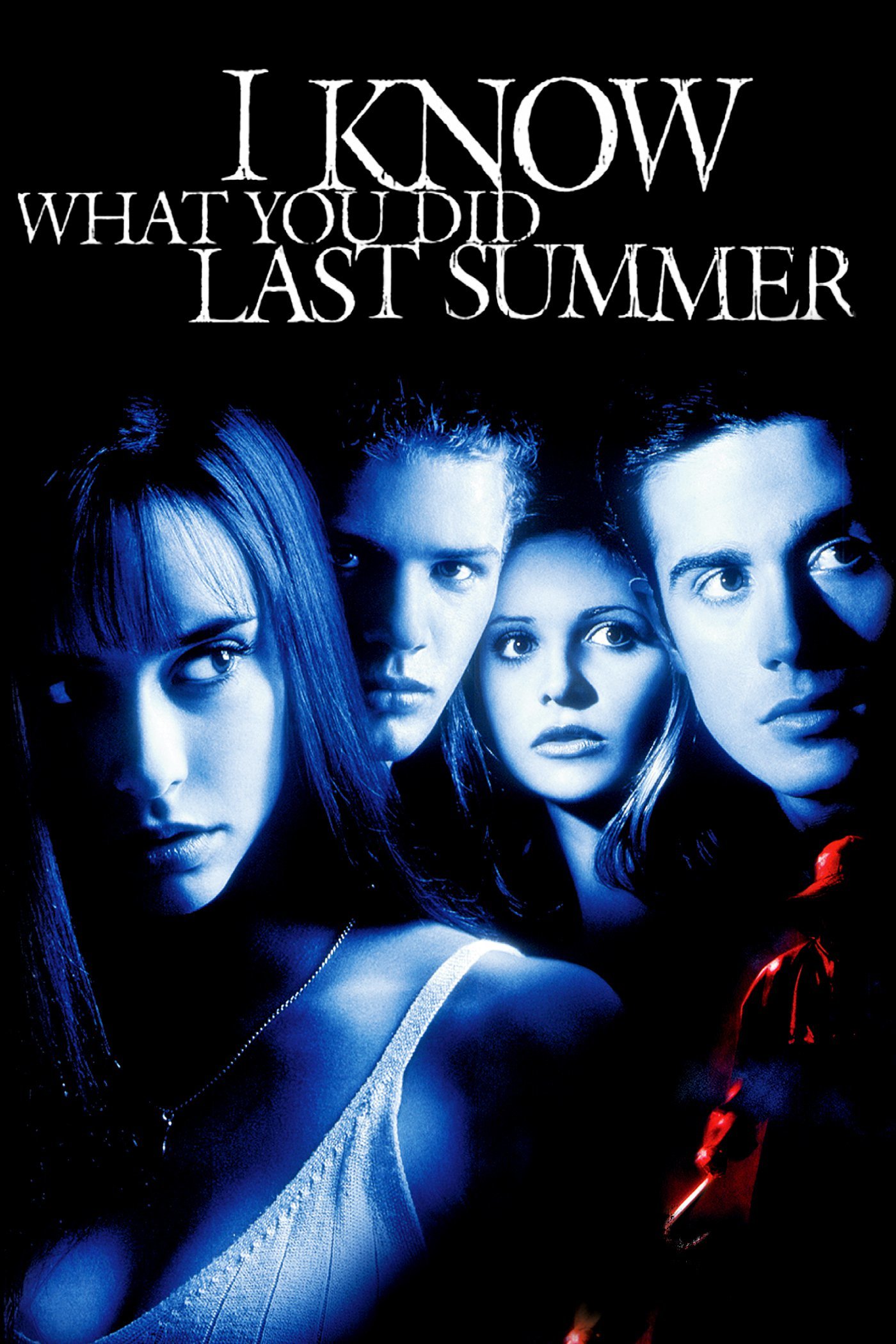
Cultural Impact and Legacy of I Know What You Did Last Summer (1997) in Pop Culture
The 1997 slasher classic I Know What You Did Last Summer transcended its genre to become a defining film of the late '90s, reshaping teen horror and influencing media for decades. Its blend of suspense, dark humor, and iconic visuals redefined slasher tropes, while its cultural footprint extended beyond cinema into literature, music, and internet lore. The film’s legacy persists in modern horror discourse, fan theories, and cross-media adaptations, each offering unique interpretations of its chilling premise.
The movie’s success marked a turning point for teen survival thrillers, shifting from the gore-heavy excesses of the '80s to a more atmospheric, psychological approach. Its influence permeated sequels, spin-offs, and even unrelated horror subgenres, proving that slasher films could balance scares with narrative depth. Meanwhile, its soundtrack became a cultural artifact, with tracks by The Beach Boys and Santana embedding themselves in pop culture memory. The film’s impact also varied globally, with international markets adopting—or adapting—the story to fit local sensibilities, often sparking debates over censorship and tone.

Redefining Slasher Tropes and Influence on 1990s Horror
I Know What You Did Last Summer arrived at a pivotal moment in horror cinema, when audiences grew weary of extreme gore but still craved suspense. The film’s director, Jim Gillespie, and writer, Drew Goddard, crafted a story that prioritized dread over bloodshed, relying on psychological tension and an ever-present threat. This shift mirrored broader trends in horror, where films like Scream (1996) and The Blair Witch Project (1999) also embraced meta-narratives and audience engagement.
The movie’s "Bigfoot killer" trope introduced a new kind of antagonist—one whose identity was a mystery until the final act, subverting traditional slasher conventions. Unlike the masked killers of Halloween or Friday the 13th, the killer in I Know What You Did Last Summer was faceless, heightening the paranoia of the protagonists. This approach influenced later slasher sequels, such as I Still Know What You Did Last Summer (2003), which expanded the lore while maintaining the original’s eerie tone. The film’s success also paved the way for teen survival thrillers like Disturbing Behavior (1998) and The Stepfather (1987), which adopted similar themes of guilt, secrecy, and supernatural retribution.
Table of Contents
- Cultural Impact and Legacy of I Know What You Did Last Summer (1997) in Pop Culture
- Redefining Slasher Tropes and Influence on 1990s Horror
- Media Adaptations: Books, Comics, and TV Series
- Fan Theories and Internet Memes Shaping Modern Horror Discourse
- Global Cultural Impact: U.S. vs. International Markets
- Behind-the-Scenes: Production Secrets, Challenges, and Filmmaking Techniques of I Know What You Did Last Summer (1997)
- Original Script Differences and Deleted Scenes
- Practical Effects and the Killer’s Mask: A Masterclass in Low-Budget Horror
- Filming Locations in North Carolina: Crafting the Film’s Haunting Aesthetic
- Director Jim Gillespie’s Creative Process and Filmmaking Challenges
- Controversial Scenes and Their Filmmaking Techniques
- Character Analysis: The Victims, the Killer, and Themes of Guilt in I Know What You Did Last Summer
- Psychological Breakdown of Billy Loop: The Killer’s Motivations and Real-Life Parallels
- Character Arcs and Flaws of the Four Victims: Guilt as the Catalyst for Death
- 1990s Teen Culture in I Know What You Did Last Summer : Fashion, Slang, and Social Dynamics
- Box Office Performance, Marketing, and the Franchise’s Evolution
- Marketing Campaign: Fear, Mystery, and Midnight Screenings
- Box Office Earnings: Original, Sequel, and Reboot Compared
- Franchise Evolution: From Cult Classic to Mainstream Horror
- Merchandising and the Commercialization of Horror
A key innovation was the film’s use of found footage and subjective storytelling, techniques later perfected in found-footage horrors like Paranormal Activity (2007). The opening sequence, which frames the story as a police interrogation, blurred the line between reality and fiction, a device that would become a staple in horror films aiming to unsettle viewers. The movie’s blend of horror and dark comedy also set a precedent for films like Cabinet of Curiosities (2022), which similarly balanced scares with wit.
Media Adaptations: Books, Comics, and TV Series
The film’s success spawned multiple adaptations, each offering a distinct take on the original story while struggling to capture its essence. The most notable adaptations include:
- Novelizations: Two books were released in 1997, both by different authors. The first, written by R.L. Stine (known for Goosebumps), leaned into the film’s comedic elements, while the second, by Sarah Pinborough, took a darker, more psychological approach. Neither fully replicated the movie’s tone, with critics noting that Stine’s version felt too lighthearted for horror fans, while Pinborough’s added unnecessary complexity. - Comic Book Series: A comic adaptation by WildStorm Productions in 1998 expanded the lore with prequel stories, including the backstory of the killer. The series introduced new characters and deeper mythology but was criticized for deviating from the film’s minimalist style, instead opting for over-the-top violence and supernatural elements. - TV Series and Reboots: The 2006 TV series I Know What You Did Last Summer, starring Bridgette Wilson, attempted to modernize the story but was met with mixed reviews. The show added a romantic subplot and a more serialized format, which diluted the original’s tight, self-contained narrative. A 2022 reboot, I Know What You Did Last Summer, starring Sophia Lillis, received praise for its faithfulness to the film’s atmosphere but faced criticism for its pacing and underdeveloped characters.
Reception Comparison: The adaptations generally struggled to match the original’s balance of suspense and humor. While the comics and novels provided additional context, they often sacrificed the film’s tight script and iconic scenes. The TV series, in particular, faced backlash for straying too far from the source material, proving that sequels and reboots in horror often fail to replicate the magic of the original.
Fan Theories and Internet Memes Shaping Modern Horror Discourse
I Know What You Did Last Summer became a breeding ground for fan theories, many of which preempted trends in modern horror storytelling. One of the most enduring theories revolves around the killer’s identity, with fans speculating for years about whether the killer was truly a supernatural entity or a human with a tragic backstory. This ambiguity fueled debates about the film’s tone—was it a horror movie, a thriller, or a dark comedy? The theory that the killer was Julie’s (Sarah Michelle Gellar) brother, Barry, gained traction due to subtle clues in the film, including his resemblance to the killer’s handprints.
Another popular theory suggested that the film was a meta-commentary on horror tropes, with the killer representing the audience’s fear of being "caught" by the story’s rules. This interpretation aligned with the film’s self-aware moments, such as the characters discussing horror movies while being hunted. The theory gained momentum on forums like Reddit and Ain’t It Cool News, where fans dissected the film’s symbolism.
The internet also birthed memes centered around the film’s iconic lines and scenes. The phrase "I know what you did last summer" became a template for joke structures, often repurposed in memes about secrets, regrets, and awkward situations. The film’s opening credits, which feature a slow-motion shot of a girl drowning, were frequently edited into viral videos with humorous captions. Additionally, the killer’s handprints became a symbol of paranoia, inspiring memes about being "marked" by fate or societal judgment.
These fan theories and memes contributed to the film’s lasting relevance, proving that I Know What You Did Last Summer was not just a product of its time but a cultural touchstone that continues to inspire discussion.
Global Cultural Impact: U.S. vs. International Markets
The film’s reception varied significantly across different regions, influenced by cultural sensibilities, censorship laws, and local horror trends. Below is a comparative analysis of its impact in the U.S. versus international markets:
| Aspect | United States | Europe | Asia (Japan, South Korea, China) | |||||||||||||||||||||||||||||||
|---|---|---|---|---|---|---|---|---|---|---|---|---|---|---|---|---|---|---|---|---|---|---|---|---|---|---|---|---|---|---|---|---|---|---|
| Box Office Performance | $103.3 million (domestic), $270.5 million (worldwide). Considered a sleeper hit, outperforming initial expectations. | Moderate success in the UK and Germany, where teen horror was popular. Censored in some countries (e.g., Germany initially rated it R18 for violence). | Limited theatrical releases in Japan and South Korea; performed poorly in China due to censorship laws against supernatural themes. Bootleg DVDs circulated widely. | |||||||||||||||||||||||||||||||
| Censorship and Ratings | Rated R for strong violence and language. Controversy over the film’s "torture porn" elements, though less graphic than contemporaries. | Banned or heavily edited in Spain and Italy for excessive gore. UK rated it 18 for similar reasons. | Japan rated it R-18 for violence; South Korea banned it until 2005 due to supernatural content. China blocked it entirely. | |||||||||||||||||||||||||||||||
| Local Fan Communities | Strong cult following, especially among Gen X and millennials. Conventions like Comic-Con featured panels dedicated to the film’s legacy. | Smaller but dedicated fanbases in the UK and Scandinavia, where horror cinema has a long history. Online forums like Letterboxd and Reddit revived interest in the
Behind-the-Scenes: Production Secrets, Challenges, and Filmmaking Techniques of I Know What You Did Last Summer (1997)The 1997 slasher classic I Know What You Did Last Summer emerged from a tumultuous yet innovative production process that blended low-budget ingenuity with high-stakes filmmaking ambition. Director Jim Gillespie and screenwriter Drew Goddard crafted a film that would redefine teen horror, but the journey from script to screen involved significant creative compromises, behind-the-camera struggles, and bold technical choices. From the discarded scenes that could have drastically altered the story to the practical effects that defined its iconic killer, every element of the production reflected a deliberate balance between horror tradition and fresh, atmospheric storytelling.Original Script Differences and Deleted ScenesThe film’s early drafts underwent substantial revisions to align with studio expectations and budget constraints, resulting in notable omissions and reimagined sequences. Drew Goddard’s original script, heavily influenced by Scream (1996), included a more elaborate backstory for the killer, Billy Loop, which was initially portrayed as a vengeful figure with a personal connection to the victims. Early versions suggested he was a local fisherman with a grudge against the teens for damaging his boat during their reckless escapades the previous summer. This angle was later simplified to emphasize the randomness of his vendetta, a shift that heightened the film’s suspense by making the threat feel more unpredictable. Deleted scenes further reveal the film’s evolution. One discarded sequence involved Julie James (Jennifer Love Hewitt) discovering Billy’s hidden stash of fishing equipment in his shack, hinting at his identity earlier in the film. Another lost scene showed Barry (Freddie Prinze Jr.) and Helen (Sarah Michelle Gellar) investigating an abandoned boat tied to Billy’s crimes, a subplot that was cut to tighten the pacing. The most significant omission was an alternative ending where the survivors David (Ryan Phillippe) and Ray (Freddy Prinze Jr.) confront Billy in a final, brutal showdown on the docks—an idea that was shelved in favor of the more ambiguous and open-ended conclusion.Practical Effects and the Killer’s Mask: A Masterclass in Low-Budget HorrorThe film’s most striking visual element—the fisherman’s mask—was a product of practical effects ingenuity rather than CGI, a choice that would become a hallmark of 1990s horror. Costume designer Ruth Myers crafted the mask using a combination of foam latex, rubber, and hand-painted details to mimic the texture of weathered wood and barnacles. The mask’s eerie, almost skeletal appearance was achieved by exaggerating the eye sockets and adding jagged, uneven edges to the wood-like material. Unlike modern CGI killers, which rely on digital manipulation, the fisherman’s mask was designed to be worn by actor Steve Railsback, who performed all of Billy’s physical movements on camera. This approach required meticulous lighting and camera angles to enhance the mask’s unsettling presence, often framing it in shadow or using low-angle shots to emphasize its looming threat. The killer’s costume—comprising a tattered fisherman’s sweater, oil-stained overalls, and a tattered hat—was equally practical. The sweater was distressed with tea and coffee stains to give it an aged, decaying look, while the overalls were reinforced with padding to create a bulky, lumbering silhouette. The filmmakers avoided CGI for the killer’s appearance not only due to budget limitations but also to maintain a gritty, tactile authenticity. In contrast, modern horror films like The Conjuring (2013) or Hereditary (2018) often use CGI for supernatural elements, but I Know What You Did Last Summer’s reliance on practical effects created a raw, immediate terror that resonated deeply with audiences. The mask’s limited visibility—often obscured by shadows or glimpses—forced viewers to fill in the gaps with their imagination, a technique that remains influential in horror filmmaking today.Filming Locations in North Carolina: Crafting the Film’s Haunting AestheticThe film’s eerie atmosphere was heavily influenced by its North Carolina filming locations, which were chosen for their natural beauty and ability to amplify the story’s themes of isolation and dread. The primary setting, Fort Macon State Park, provided the perfect backdrop for the film’s coastal horror elements. The park’s crumbling 19th-century fort, with its decaying brick walls and sweeping views of the Atlantic, became the site of several key scenes, including the film’s infamous opening drowning sequence. The fort’s historical weight added a layer of unease, suggesting that the land itself was cursed or haunted by past tragedies. Nearby Beaufort, a quaint coastal town, served as the film’s stand-in for the fictional Cove Harbor. The town’s narrow, winding streets and weathered boardwalk shops were ideal for creating a small-town vibe that felt both charming and sinister. The Atlantic Beach area, with its marshy inlets and dense forests, was used to depict the swampy terrain where Billy stalked his victims. The filmmakers leveraged the natural lighting of the region, often shooting during golden hour to cast long shadows that enhanced the film’s gothic tone. The combination of the ocean’s relentless waves, the fort’s crumbling architecture, and the swamp’s murky depths created a visual language that defined the film’s aesthetic. The choice of North Carolina also reflected a strategic decision to avoid the overused horror landscapes of the Midwest or urban settings. By placing the story in a coastal environment, the filmmakers introduced a fresh setting for a slasher film, one that emphasized water as both a symbol of life and death. The ocean’s presence in nearly every scene—whether as a tranquil backdrop or a menacing force—reinforced the film’s central themes of guilt, fate, and the inescapable past.Director Jim Gillespie’s Creative Process and Filmmaking ChallengesJim Gillespie’s approach to I Know What You Did Last Summer was shaped by his deep admiration for classic horror films, particularly Sean S. Cunningham’s Friday the 13th (1980) and Tobe Hooper’s The Texas Chain Saw Massacre (1974). Gillespie sought to blend the suspenseful storytelling of these films with the self-aware, meta-narrative elements of Scream, creating a hybrid that appealed to both horror purists and younger audiences. His creative process emphasized atmosphere over gore, relying on tension-building techniques such as prolonged silence, sudden jumps, and the strategic use of sound design. > "We wanted to make a film that felt like a nightmare—unpredictable, claustrophobic, and deeply personal. The killer wasn’t just a masked figure; he was a manifestation of the characters’ guilt. Every location, every shadow, had to feel like it was watching them. The challenge was balancing the teen slasher tropes with something that felt fresh, something that wouldn’t just be another copy of Scream." > — Jim Gillespie, Director Production faced numerous challenges, including a tight budget of $12 million (a significant amount for the time but still modest for a studio film) and a compressed shooting schedule of just 42 days. The film’s opening drowning sequence, which killed off Heather (Sarah Michelle Gellar) in the first five minutes, was particularly grueling to film. The scene required multiple takes to capture the right balance of realism and horror, with Gellar performing the majority of her own stunts. The crew used a combination of underwater cameras and practical effects to create the illusion of Heather’s struggle, including air bubbles and distorted lighting to enhance the underwater disorientation. Another major hurdle was the film’s controversial decision to kill off a main character so early. The studio initially resisted this choice, fearing it would alienate audiences, but Gillespie and Goddard insisted it was crucial for establishing the film’s tone. The scene was shot with deliberate pacing, using close-ups of Heather’s terrified expressions and the slow descent of her body into the water to maximize tension. The decision paid off, as the scene became one of the film’s most memorable and discussed moments, setting a new standard for opening sequences in teen horror.Controversial Scenes and Their Filmmaking TechniquesSeveral scenes in I Know What You Did Last Summer sparked controversy, either for their graphic content or their execution, but each was carefully crafted to serve the film’s narrative and emotional impact. The opening drowning sequence, while praised for its tension, was criticized for its perceived lack of character development for Heather. However, the filmmakers intentionally kept Heather’s backstory minimal to emphasize the randomness of the killer’s attacks. The scene was shot in a single, unbroken take for the underwater portions, using a Steadicam to maintain a sense of realism as Heather’s body floated away. The absence of dialogue in the sequence forced viewers to focus solely on visual storytelling, a technique that amplified the horror. Another controversial scene involved the killer’s attack on Julie in the woods, where he drags her through the underCharacter Analysis: The Victims, the Killer, and Themes of Guilt in I Know What You Did Last SummerI Know What You Did Last Summer (1997) transcends its slasher-horror roots by delving into psychological depth through its characters, weaving themes of guilt, moral decay, and revenge into a narrative that lingers in the cultural psyche. The film’s quartet of victims—Helen Shivers, Julie James, Barry Dexter, and Ray Bronson—each embody distinct flaws that catalyze their downfall, while the enigmatic killer, Billy Loop, becomes a twisted mirror reflecting societal anxieties about unpunished transgressions. This analysis explores the psychological underpinnings of the killer’s motivations, the symbolic arcs of the victims, and the film’s critique of 1990s teen culture, juxtaposed with its enduring themes of justice and morality.Psychological Breakdown of Billy Loop: The Killer’s Motivations and Real-Life ParallelsBilly Loop, the film’s masked killer, operates as a manifestation of repressed guilt and the consequences of unchecked arrogance. His character draws from a trope common in horror—the avenger who becomes the monster—but his motivations are rooted in a deeper psychological framework. Unlike generic slasher villains, Billy is not merely a force of random violence; his actions stem from a warped sense of justice, a belief that he alone can mete out punishment for perceived sins. This aligns with real-life serial killers who often justify their actions through a distorted moral code, such as Ted Bundy, who portrayed himself as a "savior" of society, or BTK (Bind, Torture, Kill), whose letters to police framed him as a vigilante eliminating "undesirables." The film’s script hints at Billy’s backstory through fragmented clues—his knowledge of the victims’ secrets, his familiarity with their locations, and his eerie calmness. His modus operandi, including the use of a gigantic hook (a symbol of fishing, fate, and entrapment), suggests a killer who sees himself as a harvester of karma. Psychologically, Billy embodies the Dionysian impulse—unbridled emotion and revenge—contrasted with the victims’ Apollonian denial of their actions. His voice, distorted and mechanical, reinforces his detachment from humanity, a trait shared by killers like Richard Ramirez (the Night Stalker), who often dissociated from their crimes. A key scene underscores Billy’s psychology: his taunting phone calls, where he forces the survivors to confront their guilt. This mirrors the cat-and-mouse dynamic of serial killers who derive pleasure from psychological torment, such as Gary Ridgway (the Green River Killer), who would return to crime scenes to observe his victims’ families. Billy’s ultimate fate—being killed by his own trap—serves as a dark irony, suggesting that even vigilantes are bound by the same moral laws they seek to enforce.Character Arcs and Flaws of the Four Victims: Guilt as the Catalyst for DeathThe four victims in I Know What You Did Last Summer are not random casualties; each represents a specific moral failing that triggers their demise. Their arcs illustrate how guilt, when ignored, becomes a self-fulfilling prophecy. Below is a comparative analysis of their flaws, deaths, and thematic roles:"Guilt is the poison of the mind that can drive a person to madness—or to the grave." —Implied theme in I Know What You Did Last Summer
1990s Teen Culture in I Know What You Did Last Summer: Fashion, Slang, and Social DynamicsThe film’s setting—summer 1997 in a coastal New England town—serves as more than a backdrop; it encapsulates the social anxieties and cultural shifts of the decade. The portrayal of 1990s teen life in I Know What You Did Last Summer contrasts sharply with modern depictions, offering a nostalgic yet critical lens on youth at the turn of the millennium.
|
Leave a Comment
Comments are moderated before appearing. The data you submit is processed according to the Privacy Policy of Littledata.