Free how to have sex with a pillow safely and creatively
Exploring intimacy beyond conventional boundaries, pillow play emerges as a uniquely personal and liberating experience for individuals seeking stress relief, solo discovery, or deeper connection with a partner. Whether driven by curiosity, experimentation, or the need to break routine, this unconventional form of intimacy challenges societal norms while offering a safe, accessible outlet for physical and emotional release.
From psychological comfort to creative expression, pillow play transcends simple physical stimulation, blending sensory exploration with emotional vulnerability. Yet, its practice remains shrouded in misconceptions, often dismissed as taboo or misunderstood in mainstream discourse. This guide dismantles those barriers, providing a comprehensive exploration of its benefits, safety measures, and techniques—whether pursued alone or shared with a partner—while navigating cultural perceptions and ethical considerations that shape its acceptance today.

Understanding the Context: Why People Explore Pillow Play
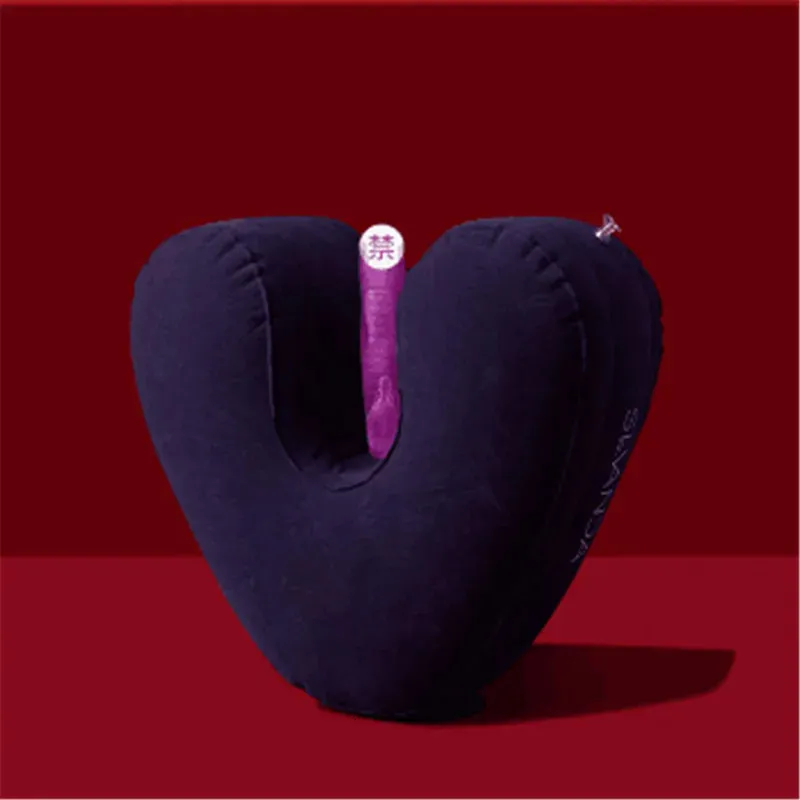
Pillow play emerges as a nuanced and often misunderstood facet of human intimacy, blending physical sensation with psychological exploration. Whether driven by curiosity, emotional barriers in relationships, or personal stress relief, this practice reflects broader trends in modern sexuality—where experimentation and self-discovery coexist with traditional intimacy. Cultural perceptions vary widely, from acceptance in progressive communities to stigma in conservative settings, shaping how individuals approach this form of expression. Below, an analysis of motivations, scenarios, societal views, and a comparative overview of pillow play versus conventional intimacy methods reveals its multifaceted role in modern sexual and emotional landscapes.
Psychological and Emotional Motivations Behind Pillow Play

Engaging in pillow play often stems from a desire to address emotional or psychological needs that traditional intimacy may not fulfill. For individuals experiencing stress, anxiety, or relationship challenges, pillow play can serve as a low-pressure outlet for sexual or sensual exploration without the complexities of partner dynamics. Psychological studies suggest that tactile stimulation—such as the texture of a pillow—can trigger endorphin release, promoting relaxation and reducing cortisol levels, which may explain its appeal during periods of high stress or emotional detachment.
In relationships, pillow play can act as a bridge for reconnecting with one’s body or partner when direct physical intimacy feels inaccessible. For example, couples navigating fertility issues, body image concerns, or post-partum recovery may turn to pillow play as a way to maintain sensuality without the expectations of penetrative sex. Additionally, individuals with sensory sensitivities or disabilities may find pillow play more adaptable to their needs, offering customizable levels of stimulation without the constraints of conventional positions.
"Pillow play can be a form of somatic therapy—using the body to process emotions that words or traditional intimacy cannot." — Dr. Emily Nagoski, Sex Educator and Author of Come as You Are
For others, the motivation is purely curiosity-driven, a way to explore fantasies or kinks without the immediate commitment of a partner. This aligns with broader trends in modern sexuality, where solo exploration (e.g., through toys or fantasy) has gained acceptance as a valid path to self-discovery. The anonymity and safety of pillow play also make it an attractive option for those hesitant to discuss their desires openly.
Table of Contents
- Understanding the Context: Why People Explore Pillow Play
- Psychological and Emotional Motivations Behind Pillow Play
- Common Scenarios for Exploring Pillow Play
- Cultural and Societal Perceptions of Pillow Play
- Safety and Preparation: Ensuring a Safe Experience
- Hygiene and Material Selection for Pillow Play
- Environmental Setup and Risk Mitigation
- Checklist of Essential Items for Pillow Play
- Red Flags Indicating Unsafe Conditions
- Communication and Consent in Pillow Play
- Techniques and Methods: How to Engage with a Pillow for Sensory Exploration
- Step-by-Step Guide for Beginners: Foundations of Pillow Play
- Advanced Techniques: Pressure Points, Rhythmic Stimulation, and Sensory Enhancement
- Comparison of Pillow Types for Optimal Pillow Play
- Emotional and Relationship Dynamics: Pillow Play as a Tool for Intimacy and Connection
- Pillow Play as a Catalyst for Emotional Intimacy
- Breaking Routine and Exploring Fantasies Together
- Post-Coital Relaxation and Sensory Bonding
- Addressing Consent, Comfort, and Unexpected Reactions
- Testimonials: Real Experiences with Pillow Play in Relationships
- Solo Exploration: Pillow Play for Self-Discovery and Sensory Awareness
- Benefits of Solo Pillow Play for Self-Exploration
- Structured Guide for a Solo Pillow Play Session
- Sensory Triggers Table for Enhanced Solo Pillow Play
- Cultural and Ethical Considerations: Pillow Play in Society
- Cultural Perspectives and Religious Attitudes Toward Pillow Play
- Ethical Implications: Objectification, Fetishization, and the Fantasy-Reality Divide
- Media Portrayals and Public Perception: Stereotypes and Misrepresentations
Common Scenarios for Exploring Pillow Play
Pillow play manifests in diverse contexts, each reflecting unique emotional or practical needs. Below are the most prevalent scenarios, categorized by intent and setting:
- Solo Exploration and Self-Discovery Individuals may turn to pillow play as a private, judgment-free space to experiment with sensations, fantasies, or body awareness. This scenario is particularly common among those new to solo play or recovering from past trauma, where gradual reacquaintance with pleasure is prioritized. The lack of external expectations allows for uninhibited creativity, whether through texture play (e.g., silk vs. cotton pillows), pressure variations, or incorporating other objects like blindfolds or lubricants.
-
Relationship Dynamics and Intimacy Challenges
Couples often integrate pillow play to reintroduce sensuality when traditional intimacy feels stagnant or strained. For instance:
- Post-conflict reconnection: After arguments or emotional distance, pillow play can serve as a neutral, tactile way to rebuild trust without verbal or physical confrontation.
- Non-penetrative intimacy: Partners avoiding penetrative sex due to discomfort, medical reasons, or differing libidos may find pillow play a satisfying alternative that maintains closeness.
- Role-play and fantasy fulfillment: Some couples use pillows to enact scenarios (e.g., "being held captive" or "spoiled indulgently") that align with their erotic narratives, deepening emotional and physical connection.
-
Curiosity and Kink Exploration
For those interested in BDSM, sensory deprivation, or edge play, pillows offer a low-risk introduction to new sensations. For example:
- Pressure play: Using pillows to apply controlled pressure (e.g., "pillow restraint" or "sensation play") can mimic aspects of bondage without physical restraints.
- Temperature contrast: Chilling a pillow in the freezer and using it for brief contact can explore temperature-based arousal, a common element in kink communities.
- Anonymity in public spaces: Some individuals experiment with pillow play in public settings (e.g., hotels or vacation rentals) where privacy allows for discreet exploration without the risk of exposure.
-
Stress Relief and Mindfulness
Beyond sexual contexts, pillow play can function as a mindfulness practice, combining breathwork with tactile stimulation to ground the mind. Techniques such as:
- Progressive muscle relaxation: Tensing and releasing muscles while pressing against a pillow to reduce physical tension.
- Sensory deprivation: Using a large pillow to muffle sound and limit visual stimuli, creating a meditative state akin to floatation therapy.
- Post-coital cuddling alternative: For those who find traditional cuddling uncomfortable or restrictive, pillow play can extend intimacy without the pressure of physical closeness.
Cultural and Societal Perceptions of Pillow Play
Attitudes toward pillow play vary significantly across cultures and communities, influenced by historical taboos, religious beliefs, and evolving sexual norms. Below is an overview of key perspectives:
- Western Progressive vs. Conservative Divides In sex-positive communities (e.g., urban centers, LGBTQ+ spaces, or kink-friendly circles), pillow play is often viewed as a valid and healthy form of exploration. Sex education in these spaces tends to emphasize consent, safety, and personal agency, reducing stigma around unconventional practices. Conversely, in conservative or religiously strict environments, pillow play may be pathologized as "unnatural" or "deviant," particularly if framed within kink or solo contexts. This dichotomy is reflected in media portrayals, where pillow play in progressive narratives (e.g., Sex Education or After Dark) is normalized, while similar themes in conservative media may be censored or ridiculed.
-
Eastern and Collective Cultures
In cultures where modesty and indirect expression of sexuality are prioritized (e.g., many Asian or Middle Eastern societies), pillow play may be practiced discreetly or metaphorically. For example:
- Japan: Pillow-based rituals (e.g., makura no yume, or "pillow dreams") have historical roots in ukiyo-e art, depicting sensual or erotic scenes. Modern interpretations often blend fantasy with reality, such as using pillows in furry or cosplay communities.
- India: While direct discussions of sexuality remain taboo, yoga and Ayurveda incorporate tactile practices (e.g., self-massage with bolsters) that indirectly align with pillow play’s principles of sensory awareness.
- Middle Eastern contexts: In private settings, pillow play may be framed as a form of "teasing" (ta’azub), where sensual touch is allowed within marital or trusted relationships, but public discussion is avoided.
-
Digital and Anonymized Spaces
The rise of online communities (e.g., Reddit’s r/pillowplay, FetLife groups, or OnlyFans) has democratized access to pillow play discussions, allowing individuals to share experiences and tips without geographical or social barriers. Platforms like Pillow Play Anonymous (a fictionalized example) highlight how anonymity reduces shame, enabling users to explore topics like:
- First-time experiences: Beginners seeking guidance on pillow materials, techniques, or safety.
- Fetish integration: Users combining pillow play with pet play, latex, or sound play for enhanced stimulation.
- Accessibility adaptations: Discussions on adaptive pillow play for individuals with mobility limitations or chronic pain.
-
Stigma and Misconceptions
Despite growing acceptance, pillow play remains mired in misunderstandings, including:
- "It’s just masturbation with a pillow": This oversimplification ignores the psychological and emotional layers of pillow play, such as role-play or sensory exploration.
- "Only kinky or deviant people do it": Associating pillow play solely with BDSM overlooks its therapeutic and stress-relief applications.
- "It’s unsafe or damaging": Without proper education, individuals may assume pillow play involves choking risks (e.g., using pillows for breath play) or physical harm, when in reality, consent and communication mitigate these concerns.
Safety and Preparation: Ensuring a Safe Experience
Pillow play, like any intimate activity, requires careful preparation to minimize risks and maximize enjoyment. Safety begins with selecting appropriate materials, maintaining hygiene, and creating a controlled environment. Without proper precautions, activities involving pillows can lead to allergies, physical discomfort, or even suffocation hazards. This section provides a structured approach to inspecting pillows, preparing the setting, and establishing clear communication to ensure a safe and pleasurable experience.
Hygiene and Material Selection for Pillow Play
The foundation of a safe pillow play experience lies in hygiene and material quality. Pillows used in intimate activities should be hypoallergenic, breathable, and free from contaminants. Synthetic materials like memory foam or high-thread-count cotton are preferable over feathers or down, as they are less likely to harbor dust mites, mold, or bacteria. Additionally, materials should be machine-washable to facilitate thorough cleaning between uses.
Inspecting pillows for safety hazards involves a multi-step process: - Visual inspection: Check for loose threads, fraying, or damaged stitching that could cause irritation or entanglement. - Scent test: A musty or chemical odor may indicate mold, mildew, or residual cleaning agents, which can trigger allergies or respiratory discomfort. - Fabric composition: Verify labels for hypoallergenic certifications or organic cotton to reduce exposure to synthetic dyes or pesticides. - Cleaning history: Ensure pillows have been washed or sanitized before use, especially if they are shared or stored in humid environments.
Recommended materials for pillow play include: - Bamboo or organic cotton pillowcases (breathable, antimicrobial). - Memory foam or latex pillows (dust-mite resistant, durable). - Silk or satin covers (smooth texture, reduces friction burns).
Environmental Setup and Risk Mitigation
A well-prepared environment reduces the likelihood of accidents and enhances comfort. Suffocation risks are the most critical concern, particularly when pillows are used to restrict breathing or cover the face. To mitigate these risks:
- Avoid full-face coverage with pillows, especially in solo play. - Use pillows with breathable fabrics to prevent overheating or carbon dioxide buildup. - Position pillows in a way that allows easy escape—never restrict movement completely. - Test pillow firmness before full immersion; soft pillows compress more, increasing suffocation risk.
Environmental checklist for safe pillow play: - Ventilation: Ensure the room is well-ventilated to prevent carbon dioxide accumulation. - Surface stability: Use pillows on a firm, non-slip surface (e.g., a mattress or yoga mat) to avoid falls. - Emergency access: Keep a phone or alarm nearby in case of accidental restriction. - Temperature control: Maintain a moderate room temperature to prevent hyperthermia or hypothermia.
Checklist of Essential Items for Pillow Play
Preparation involves assembling a kit of safety and comfort items to address potential issues before they arise. Below is a comprehensive checklist categorized by function:
"Safety in pillow play is not optional—it is a prerequisite for enjoyment."
Hygiene and Cleanliness - Disposable or washable pillowcases (changed after each use). - Antibacterial wipes or spray for sanitizing pillows between sessions. - Laundry detergent (hypoallergenic, fragrance-free) for deep cleaning.
Comfort and Functionality - Lubricant (water-based or silicone-based, depending on material compatibility). - Breathable blankets or sheets for cushioning and temperature regulation. - Non-slip mats or grips to prevent accidental sliding.
Safety Precautions - Emergency stop mechanism (e.g., a partner’s hand signal or a timed alarm). - Allergy medication (antihistamines) if either participant has known sensitivities. - First-aid kit (bandages, ice packs for minor injuries, and tweezers for splinters).
Communication Tools - Consent checklist (written or verbal agreement on boundaries). - Safe word system (a prearranged term to halt activity immediately). - Mirror or camera (if recording, to monitor body positioning and comfort).
Red Flags Indicating Unsafe Conditions
Recognizing warning signs before or during pillow play can prevent accidents and health complications. Below are critical red flags and their mitigation strategies:
"Discomfort or distress during pillow play is not a test of endurance—it is a signal to pause."
- Respiratory distress
- Signs: Shortness of breath, dizziness, or rapid heartbeat when pillows are used near the face.
- Mitigation: Avoid suffocation-inducing positions; use pillows with high airflow fabrics.
- Allergic reactions
- Signs: Sneezing, itching, rash, or swelling after contact with pillow materials.
- Mitigation: Patch-test new pillows; opt for hypoallergenic, chemical-free materials.
- Physical discomfort or pain
- Signs: Numbness, tingling, or pressure points causing long-term soreness.
- Mitigation: Adjust pillow placement; use ergonomic supports (e.g., rolled towels for alignment).
- Environmental hazards
- Signs: Overheating, stuffiness, or difficulty moving freely.
- Mitigation: Ensure proper ventilation; limit session duration in enclosed spaces.
- Consent violations
- Signs: Ignoring a partner’s hesitation, pushing beyond agreed limits, or dismissing discomfort.
- Mitigation: Pause and reassess boundaries; prioritize ongoing communication.
Communication and Consent in Pillow Play
Clear communication and mutual consent are the cornerstones of safe pillow play. Unlike spontaneous activities, this practice benefits from pre-session discussions to align expectations and reduce risks. Key topics to address include:
- Boundaries: Define hard limits (e.g., no face-restriction, no sharp objects) and soft limits (e.g., preferences for pillow firmness). - Safety protocols: Agree on emergency signals, session time limits, and check-in points during play. - Aftercare: Plan for physical and emotional recovery, such as hydration, stretching, or cuddling post-session.
Structured consent dialogue example: - "What are your comfort levels with pillow pressure?" - "Are there any areas you’d prefer to avoid (e.g., sensitive skin, joints)?" - "How will we signal if something feels unsafe?"
For solo play, internalize these questions as self-checks: - "Am I monitoring my breathing and movement?" - "Do I have an exit strategy if I feel trapped or uncomfortable?" - "Have I tested the pillow’s safety in a low-risk scenario first?"
Techniques and Methods: How to Engage with a Pillow for Sensory Exploration
Pillow play transcends basic physical stimulation, offering a versatile tool for sensory exploration, stress relief, and self-discovery. Whether seeking relaxation, arousal, or creative tactile experiences, understanding how to interact with a pillow—from foundational techniques to advanced methods—enhances the experience. This section provides structured guidance for beginners and seasoned explorers, emphasizing adaptability, safety, and sensory enrichment.
Step-by-Step Guide for Beginners: Foundations of Pillow Play
For those new to pillow play, the journey begins with selecting the right pillow and mastering gentle, intuitive motions. The goal is to build familiarity with pressure, texture, and movement without pressure (pun intended) or discomfort. Below is a structured approach to ease into the experience:
- Pillow Selection for Comfort and Support Choose a pillow that aligns with your comfort needs. Beginners often benefit from medium-firm pillows, as they provide enough give without collapsing under pressure. Avoid overly soft pillows, which may lack structure, or rigid ones that can cause strain. Memory foam or down-alternative pillows are popular for their adaptability.
- Establishing a Relaxed Environment Create a space free from distractions, with soft lighting or ambient sounds to enhance relaxation. Ensure the surface you’re using (bed, floor, or couch) is stable and supportive. A non-slip mat can prevent shifting if exploring on harder surfaces.
- Gentle Pressure Exploration Start with light touches—gliding hands over the pillow’s surface to acquaint yourself with its texture. Gradually apply mild pressure to different areas, noting how the pillow responds. For instance, pressing along the edges may feel firmer than the center, especially in memory foam.
-
Basic Motion Techniques
Experiment with slow, rhythmic motions such as:
- Rolling: Gently roll the pillow between palms or against a wall to observe its weight and resilience.
- Kneading: Use fingers to press and release, mimicking a massage to explore how the pillow conforms to pressure.
- Sliding: Drag the pillow across a smooth surface (e.g., silk sheets) to amplify sensory feedback.
-
Sensory Integration
Introduce subtle sensory enhancements, such as:
- Temperature: Warm the pillow slightly with a hairdryer (on low heat) or cool it in the freezer for 10 minutes to contrast textures.
- Scents: Lightly spray lavender or sandalwood essential oil on a cloth draped over the pillow to engage olfactory senses.
- Mindful Awareness Focus on the tactile feedback—how the pillow’s material reacts to touch, its weight distribution, and any subtle vibrations. This mindfulness deepens the connection between physical sensation and mental relaxation.
Tip: Begin with sessions of 5–10 minutes to avoid muscle fatigue or overstimulation. Gradually increase duration as comfort and confidence grow.
Advanced Techniques: Pressure Points, Rhythmic Stimulation, and Sensory Enhancement
Once comfortable with foundational techniques, advanced methods introduce targeted pressure points, dynamic rhythms, and multi-sensory tools to elevate the experience. These approaches cater to those seeking deeper relaxation, arousal, or creative exploration. Key areas to focus on include:
-
Targeted Pressure Points
Certain areas of the body respond uniquely to pillow pressure, offering relaxation or stimulation. For example:
- Neck and Shoulders: Use a firm pillow to gently press and release along the trapezius muscles, mimicking a deep-tissue massage.
- Lower Back: Place the pillow horizontally against a wall and lean into it to decompress the spine, ideal for stress relief.
- Feet and Calves: Sit with legs extended and press the pillow against the soles of the feet, then roll it upward to stimulate circulation.
-
Rhythmic and Dynamic Motions
Incorporate movement to create a meditative or invigorating rhythm. Techniques include:
- Pulsing: Apply steady pressure with hands or body weight, then release in a consistent rhythm (e.g., 3 seconds press, 1 second release).
- Vibration: Use a pillow with a slight give to create vibrations by tapping or shaking it gently against a surface.
- Resistance Training: Press the pillow against a wall or floor and push/pull with varying force to engage muscles.
-
Sensory Enhancement Strategies
Combine tactile, visual, and auditory elements to deepen immersion. Examples:
- Textural Layers: Drape a silk scarf over the pillow to alter friction and temperature. For contrast, use a textured glove or a lightly sanded surface.
- Aromatherapy: Diffuse calming scents (e.g., chamomile) or invigorating ones (e.g., peppermint) near the pillow to sync with the activity.
- Visual Focus: Close eyes to heighten other senses, or use a blindfold to eliminate distractions and amplify tactile feedback.
-
Advanced Props and Accessories
Integrate tools to refine the experience, such as:
- Massage Oils/Gels: Apply a small amount to the pillow’s surface to reduce friction and enhance gliding motions.
- Weighted Blankets or Straps: Secure the pillow to a strap for controlled swinging or use a weighted blanket for added pressure.
- Soundscapes: Play ambient sounds (rain, ocean waves) or binaural beats to sync with rhythmic pillow movements.
Safety Note: When using props, ensure they are securely fastened and free from sharp edges. Test new accessories with minimal pressure first.
Comparison of Pillow Types for Optimal Pillow Play
Not all pillows are created equal, and their suitability for pillow play depends on firmness, texture, and durability. Below is a comparative analysis of common pillow types, highlighting their advantages and ideal use cases:
| Pillow Type | Firmness | Texture | Durability | Best For | Considerations | |||||||||||||||||||||||||||||||||||||||||||||||||||||||||||||||||||||
|---|---|---|---|---|---|---|---|---|---|---|---|---|---|---|---|---|---|---|---|---|---|---|---|---|---|---|---|---|---|---|---|---|---|---|---|---|---|---|---|---|---|---|---|---|---|---|---|---|---|---|---|---|---|---|---|---|---|---|---|---|---|---|---|---|---|---|---|---|---|---|---|---|---|---|
| Memory Foam | Medium to Firm | Smooth or slightly grippy (depending on cover) | High (retains shape) | Pressure point targeting, deep tissue simulation, long sessions | Can retain heat; may require a breathable cover. Avoid if sensitive to firmness. | |||||||||||||||||||||||||||||||||||||||||||||||||||||||||||||||||||||
| Feather/Down | Soft to Medium | Plush, compressible | Moderate (losess shape over time) | Gentle kneading, light pressure, sensory texture exploration | Requires fluffing; may scatter feathers. Not ideal for high-pressure use. | |||||||||||||||||||||||||||||||||||||||||||||||||||||||||||||||||||||
| Latex | Firm to Extra Firm | Bouncy, slightly textured | Very High (hypoallergenic, resilient) | Dynamic motions (e.g., bouncing), resistance training, durability | Can be expensive; some find it too firm for prolonged use. | |||||||||||||||||||||||||||||||||||||||||||||||||||||||||||||||||||||
| Buckwheat Hull | Adjustable (soft to firm) | Granular, rustling sound | High (long-lasting) | Massage-like motions, sensory feedback, customizable firmness | May be too rigid for some; hulls
Emotional and Relationship Dynamics: Pillow Play as a Tool for Intimacy and ConnectionPillow play transcends its sensory and physical appeal, serving as a subtle yet powerful tool for deepening emotional bonds and fostering intimacy in relationships. Whether integrated into foreplay, used as a non-sexual sensory experience, or employed for post-coital relaxation, this practice can transform routine into novelty, reignite passion, or even facilitate emotional reconnection. For couples, pillow play offers a low-pressure avenue to explore fantasies, communicate desires, and break away from conventional intimacy patterns. However, its success hinges on clear communication, mutual consent, and an understanding of each partner’s comfort levels—making it both a rewarding and delicate dynamic to navigate. The versatility of pillow play lies in its adaptability to different stages of a relationship, from newly formed partnerships to long-term commitments. It can act as a bridge for partners who struggle with verbalizing emotions, a playful distraction during stressful periods, or a creative outlet for couples seeking to reignite spontaneity. By framing pillow play as an intentional act of connection—rather than merely a physical experience—partners can leverage it to strengthen trust, enhance sensory awareness, and explore shared or individual desires in a safe, controlled environment.Pillow Play as a Catalyst for Emotional IntimacyEmotional intimacy often thrives on shared experiences that foster vulnerability, playfulness, and mutual understanding. Pillow play provides a unique context for these elements by blending physical touch with imaginative or symbolic interactions. For instance, a couple might use a pillow to recreate a shared memory, such as a childhood game or a travel experience, where the pillow represents an object or person from that moment. This not only sparks nostalgia but also encourages storytelling, which can deepen emotional closeness. In relationships where verbal communication is challenging, pillow play can serve as a non-verbal language. A partner might use the pillow to gently trace patterns on their lover’s back, mimicking the way they might have drawn on paper to convey a message. Alternatively, rhythmic pillow taps or presses can signal comfort, affection, or even a request for more physical intimacy. This tactile communication can be particularly useful for couples who are non-verbal, deaf, or simply prefer expressing themselves through touch. Dialogue Example: Reconnecting Through Symbolism Partner A (softly, while pressing a pillow against Partner B’s chest): "Remember when we used to pretend this was a ship and we were sailing away from everything?" Partner B (smiling, resting their head on the pillow): "Yeah… except we never really left, did we?" Partner A (laughing, pulling Partner B closer): "No, but we could’ve. And now we’re here, together, with this stupid pillow as our lifeboat." This exchange transforms a simple object into a vessel for shared history and affection, turning pillow play into an emotional anchor.Breaking Routine and Exploring Fantasies TogetherRoutine can erode the excitement and curiosity that sustain long-term relationships. Pillow play disrupts predictability by introducing an element of surprise, whether through role-playing, sensory deprivation (using a pillow to blindfold or muffle sounds), or incorporating props like feathers, ice cubes, or scented oils. Couples can use it to explore fantasies that might feel too intimidating in a purely sexual context, such as power dynamics, sensory overload, or even non-sexual scenarios like "spying" through a pillow fort or engaging in whispered conversations. For couples who enjoy BDSM or kink, pillow play can serve as a gentle introduction to more structured dynamics. For example, a partner might use a pillow to "restrain" their lover’s wrists during foreplay, creating a sense of vulnerability without the intensity of restraints. The pillow’s softness contrasts with the psychological impact, allowing partners to test boundaries in a low-stakes environment. Even in non-kink relationships, this approach can help partners communicate desires they might otherwise hesitate to voice. Strategies for Fantasy Exploration: Pillow play thrives on imagination, but grounding it in reality ensures comfort and safety. Couples can:Post-Coital Relaxation and Sensory BondingThe aftermath of sexual intimacy is often a period of vulnerability, where physical and emotional closeness can either deepen or dissipate. Pillow play in this context serves as a bridge between the intensity of climax and the calm of post-coital relaxation. For example, a partner might use a pillow to gently massage their lover’s body, focusing on areas that were stimulated during sex but in a slower, more tender manner. This not only prolongs physical pleasure but also reinforces a sense of care and connection. Couples can also use pillow play to transition into sleep, creating a ritual that signals safety and comfort. A pillow can serve as a shared "blanket" during cuddling, or partners might take turns resting their heads on it while whispering or humming to each other. This practice is particularly beneficial for couples who co-sleep but struggle with insomnia or anxiety, as the pillow becomes a tactile reminder of their bond. Example of Post-Coital Pillow Ritual: Partner A (tracing circles on Partner B’s back with a pillow): "You okay?" Partner B (nodding, eyes closed): "Mmm. Better now." Partner A (placing the pillow under Partner B’s head): "Stay like that. I’ll be right here." This simple act communicates reassurance without words, leveraging the pillow as a tool for emotional security.Addressing Consent, Comfort, and Unexpected ReactionsConsent is the cornerstone of any intimate activity, and pillow play is no exception. Partners must establish clear boundaries before engaging, including:Testimonials: Real Experiences with Pillow Play in Relationships"We’d been together for five years when we realized we’d stopped touching outside of sex. One night, my partner suggested we use a pillow to ‘hold’ each other during cuddling—like a third person in the bed. It was silly, but it made us laugh, and suddenly, we were touching more, not just during sex but just because. Now, we use it to ‘pass’ each other messages in bed, like notes under a door. It’s become this little inside joke that keeps us connected." — Jamie and Alex, 34 and 36, married for 7 years "My anxiety makes me shut down during sex, but pillow play has been a game-changer. My partner uses it to ground me—like pressing it against my chest while we breathe together. At first, I thought it was weird, but now it’s my safe word. If I’m overwhelmed, I just grab the pillow, and we switch to something else. It’s not about the pillow itself; it’s about knowing I’m not alone." — Taylor, 29, in a 4-year relationship *"We incorporated pillow play into our foreplay routine after reading about sensory deprivation. My partner would cover my eyes with a folded pillow |
Leave a Comment
Comments are moderated before appearing. The data you submit is processed according to the Privacy Policy of Littledata.